Category:
PoliticsPhuentsholing's Economic Voices Left Out
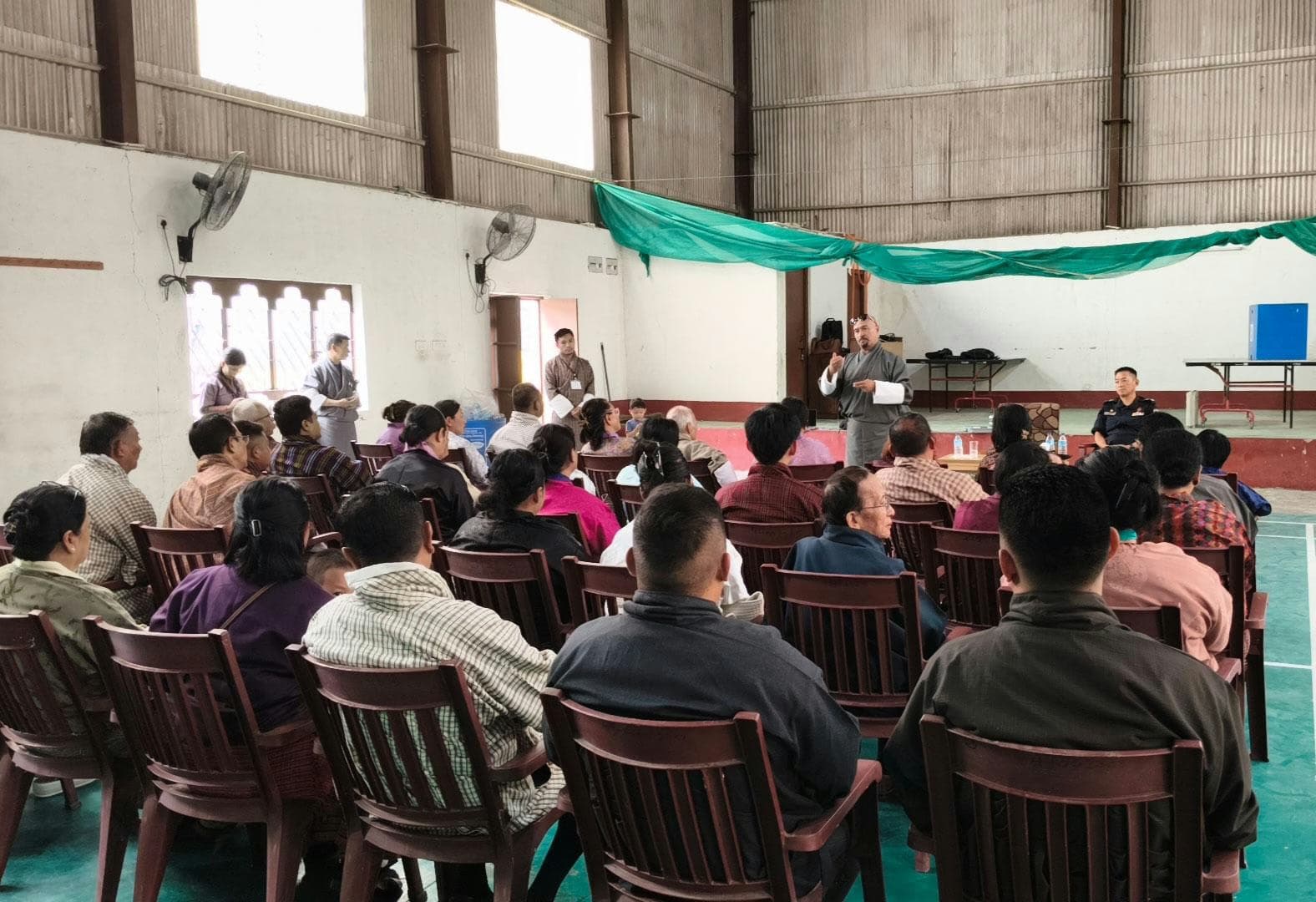
A City on the Sidelines of Democracy
Phuentsholing, a bustling commercial hub in Bhutan, faces a unique challenge this election season. As the Thromde Tshogde elections approach, many residents find themselves unable to participate in shaping the future of their city, despite being key contributors to its economic vibrancy. 🌆
The Census Conundrum
In a city where over 25,000 people live and work, only about 1,150 are eligible to vote. The reason? Bhutan’s electoral rules require voters to have permanent census registration, known as 'gung', within the thromde. This leaves a significant portion of the population, including long-term business owners and workers, without a voice in local governance. 📊
Phuentsholing serves as Bhutan’s primary gateway for commerce, drawing individuals from various parts of the country to trade and establish livelihoods. Yet, the current electoral framework restricts many from participating in the decision-making process, raising questions about voter eligibility and representation in municipal elections.
The Impact on the Community
The exclusion of these economic contributors has sparked debate about the inclusivity and fairness of the electoral system. Residents argue that the current rules unfairly benefit a small group of voters, often residing away from the commercial center, who ultimately decide the leadership. This disconnect has led to feelings of disenfranchisement among those who contribute significantly to the city’s economy. 💼
"The core town, home to the most businesses, has a dense population yet a limited voting population," notes Tshering Dorji, a local resident. "This imbalance affects how resources and attention are allocated, often to the detriment of the commercial heart of the city."
Challenges and Concerns
Local business owners and residents cite neglected infrastructure as a pressing issue resulting from their lack of representation. Concerns about safe drinking water, inefficient sewerage systems, and waste disposal are prevalent. These challenges underscore the need for leaders who understand and prioritize the unique needs of Phuentsholing’s core town. 🏗️
The Broader Picture
This situation in Phuentsholing reflects broader trends in Bhutan's governance and electoral participation. The lack of new candidates in the Thrompon race and low public engagement in election debates highlight the need for electoral reforms. As cities like Phuentsholing continue to grow, adapting the electoral system to be more inclusive could invigorate local democracy and ensure that all voices are heard. 🔄
Looking Forward
Residents and stakeholders advocate for a revision of the voter eligibility criteria to include long-term residents and business owners. Such changes could rejuvenate the electoral process, making it more competitive and representative of Phuentsholing’s diverse population. 🌟
While the Election Commission of Bhutan maintains the necessity of permanent census registration, there is growing consensus that systemic changes are needed to reflect the realities of modern Bhutanese society. As the nation evolves, so too must its democratic practices, ensuring that every contributing voice has a chance to be heard. 🗳️
Conclusion
Phuentsholing stands at a crossroads. The decision to expand voter eligibility could not only enhance local governance but also strengthen the very fabric of Bhutanese democracy. As the city’s economic contributors continue to drive growth, their inclusion in the electoral process remains a crucial step towards a more equitable and representative future.✨
You May Also Like
Politics
Bhutan and EU Parliamentarians Unite on Climate Action
September 26, 2026
Politics
Bhutan Launches Four Voter Participation Initiatives for LG Elections
September 16, 2026
Politics
Women in Politics: Breaking Through Barriers Before Election Day
September 15, 2026
Politics
Women Leaders Training: Preparing for 2027 Local Elections
August 31, 2026