Category:
PoliticsVoter Dynamics in Thrompon Elections
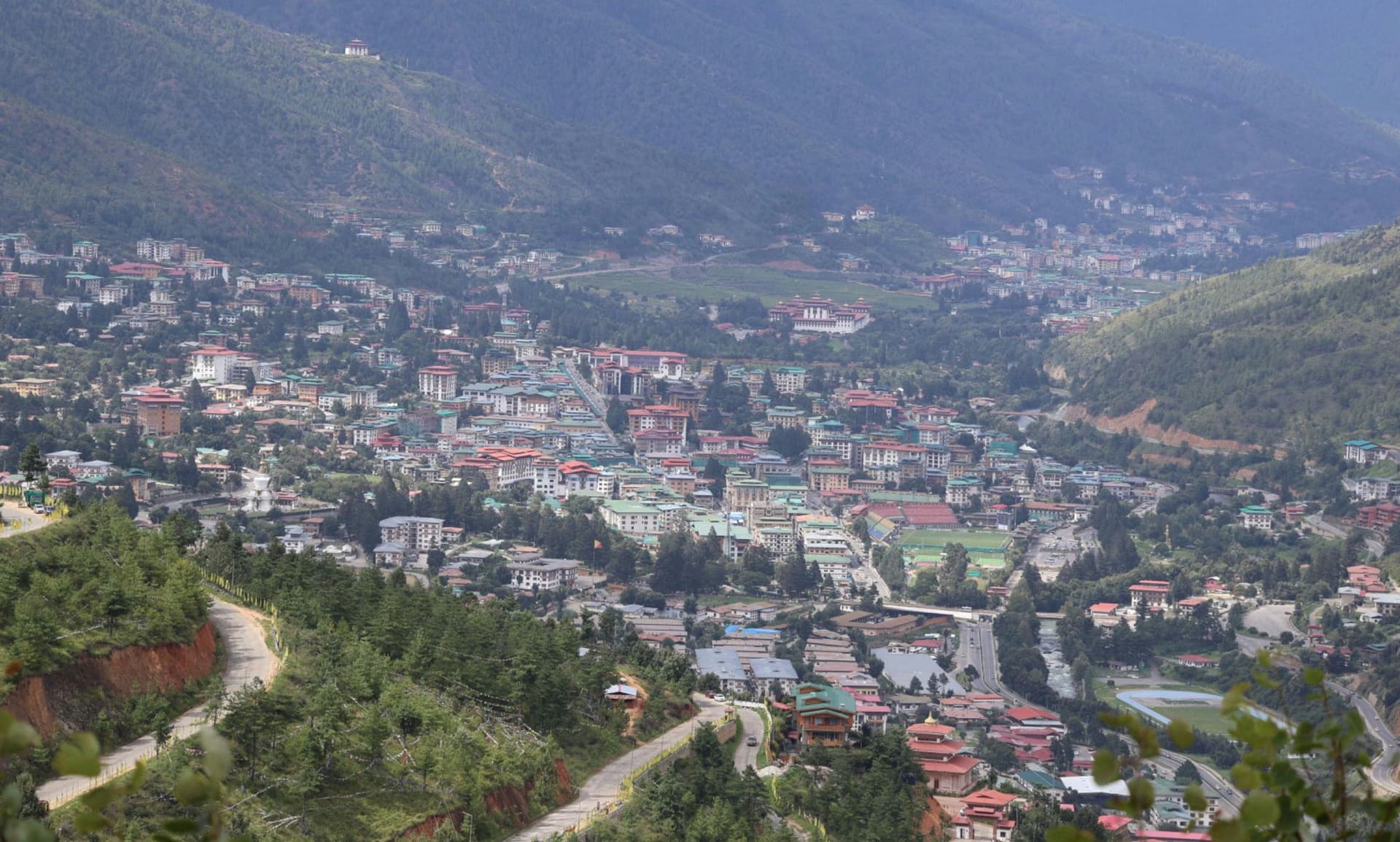
As Bhutan continues to urbanize, one might expect that the electoral dynamics in its urban centers, known as thromdes, would reflect the growing population. However, a closer look reveals a stark contrast: while cities swell with residents, only a small fraction are eligible to vote in Thrompon elections. This paradox raises questions about the electoral system and its alignment with urban realities. 🌆
The Urban Voting Paradox
Bhutan's thromdes, including Thimphu, Phuentsholing, and Gelephu, are home to a significant portion of the population. Yet, the number of eligible voters remains disproportionately low. For instance, Thimphu Thromde, with a population of approximately 141,000, has only 9,159 registered voters. Similarly, Phuentsholing and Gelephu thromdes show comparable discrepancies. This situation stems from the country's voting eligibility criteria, which are based on civil registration rather than residency. 📊
Civil Registration vs. Residency
According to the Election Commission of Bhutan (ECB), a citizen's eligibility to vote in a thromde depends on their civil registration, known as the Mitsi. To vote, one's Mitsi must be registered in the thromde's civil registry for at least a year prior to the election. This requirement means many urban residents, who live and work in thromdes, are registered elsewhere, often in rural areas, and thus cannot vote for their local leaders. This system maintains electoral integrity but fails to capture the urban demographic shift. 🏙️
Historical Context and Trends
The issue isn't new. In previous elections, such as the 2016 Local Government elections, voter turnout was low relative to urban populations. For instance, Thimphu saw a mere 31.01% voter turnout. The trend continued in the 2021 elections, with only 59.46% of registered voters casting their ballots. These figures highlight a persistent gap between urban growth and electoral participation. 📉
The Impact of Urbanization
Urbanization is a global trend, and Bhutan is no exception. As more people move to cities for better opportunities, the disconnect between residency and voting rights becomes more pronounced. Residents contribute to municipal services through taxes and partake in the local economy, yet many lack a voice in local governance due to outdated electoral frameworks. This scenario calls for a reevaluation of current policies to better reflect urban realities. 🌍
Potential Reforms and Solutions
To address this mismatch, several potential reforms have been suggested. One approach is to allow residents who have lived in a thromde for a significant period to vote, regardless of their civil registration. This change would align voting rights with residency, enabling more equitable representation. Another solution involves simplifying the process of transferring civil registration to encourage urban dwellers to register in their place of residence. 🗳️
Ensuring Fair Representation
The ECB has implemented measures to ensure that non-voting residents are not entirely excluded from governance. An Independent Evaluation Committee (IEC) reviews Thrompon candidates' manifestos to ensure campaign promises are realistic and reflect the needs of all residents. While this provides some oversight, it doesn't replace the fundamental right to vote. Thus, electoral reforms remain crucial for genuine representation. 🔍
Conclusion: Moving Towards Inclusive Governance
The current electoral framework in Bhutan's thromdes highlights a significant challenge in urban governance: ensuring that all residents have a say in electing their leaders. As the nation continues to urbanize, aligning voting practices with demographic realities becomes increasingly important. Potential reforms could pave the way for a more inclusive electoral process, ensuring that all urban voices are heard. As Bhutan navigates this transition, the focus should remain on creating a fair, representative, and responsive electoral system. 🔄
Looking Forward
The future of Thrompon elections in Bhutan will depend on the country's ability to adapt its electoral system to its changing urban landscape. By prioritizing reforms that align voting rights with residency, Bhutan can ensure that its urban centers are not just places of opportunity, but also of democratic participation. 🌟
You May Also Like
Politics
Bhutan and EU Parliamentarians Unite on Climate Action
September 26, 2026
Politics
Bhutan Launches Four Voter Participation Initiatives for LG Elections
September 16, 2026
Politics
Women in Politics: Breaking Through Barriers Before Election Day
September 15, 2026
Politics
Women Leaders Training: Preparing for 2027 Local Elections
August 31, 2026