Category:
EconomyCassava Farm Group Diversifies Income with Cookies and Cakes
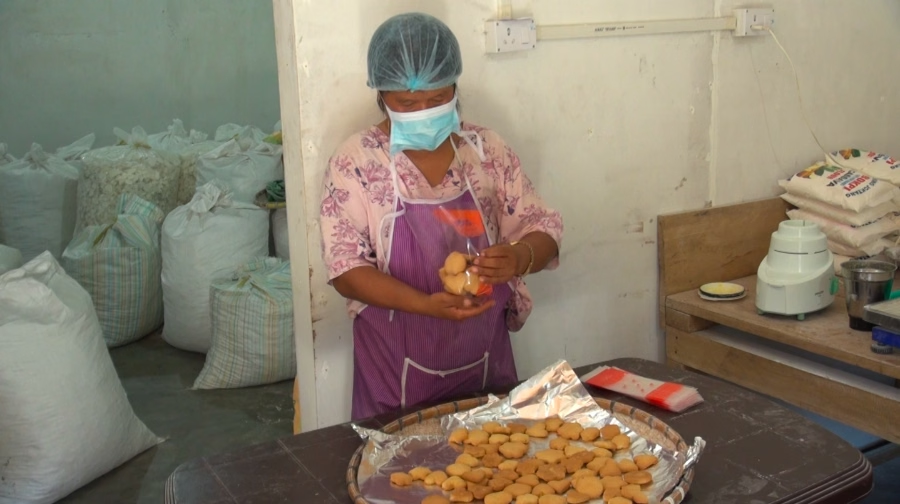
From Flour to Fortune: How One Farm Group is Transforming Cassava Production 🌾
In the remote gewogs of eastern Bhutan, agricultural innovation is quietly reshaping rural livelihoods. The Cassava Green Hill Farm Group in Chhoekhorling, Pema Gatshel district, represents a compelling case study in agricultural value addition and income diversification. What began as a straightforward cassava flour operation has evolved into a dynamic food production enterprise, demonstrating how strategic diversification can unlock new market opportunities for smallholder farmers.
For nearly a decade, this six-member cooperative focused exclusively on processing raw cassava into flour using mechanical equipment designed to chop, dry, and grind the root crop. While this provided steady income for local farmers, the group recognized a critical limitation: dependency on a single product left them vulnerable to market fluctuations and price volatility. This realization prompted leadership to explore value-added opportunities that could expand their market reach and strengthen their competitive position.
Breaking Into Baked Goods: A Strategic Pivot 🍪
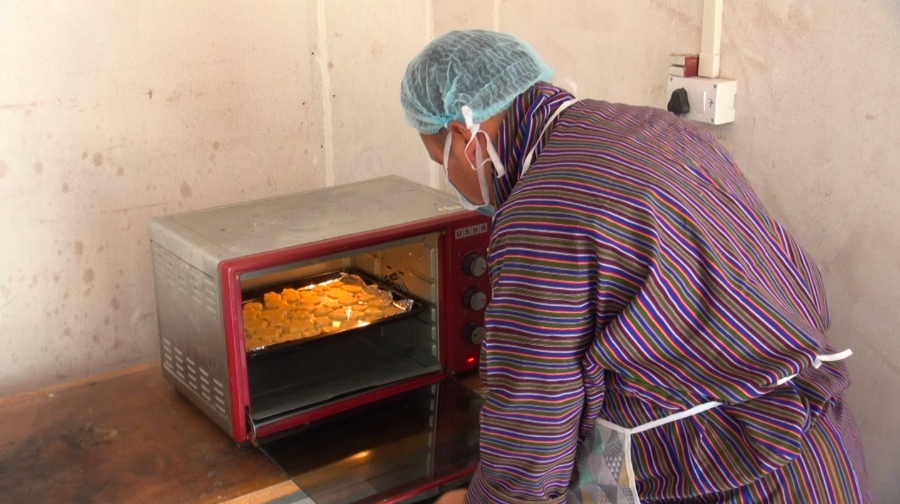
The transformation began when the Cassava Green Hill Farm Group members underwent comprehensive baking training, equipping themselves with skills to produce cookies, cakes, and other baked products using cassava flour as the primary ingredient. This strategic shift represents more than simply adding new products to their inventory—it exemplifies how agricultural enterprises can leverage existing raw materials to create premium offerings with higher profit margins.
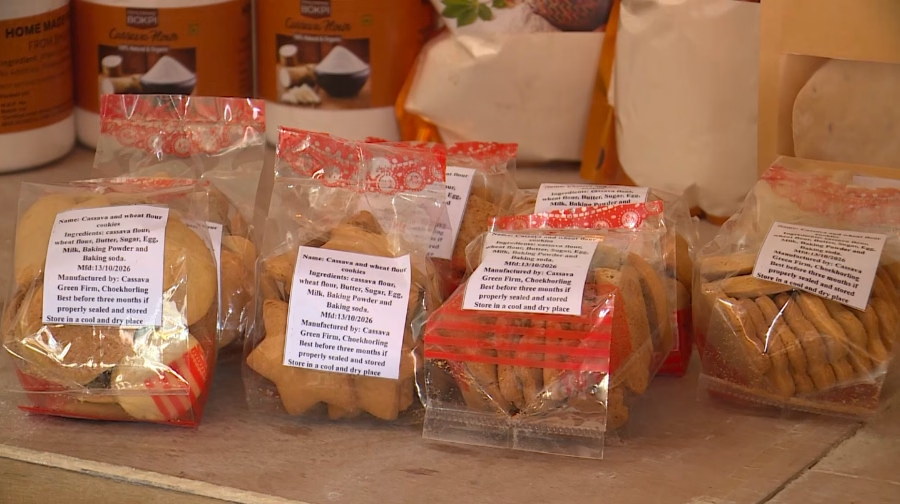
Kinley Zangmo, one of the cooperative's active members, emphasized the transformative nature of the training program: "Our trainers taught us how to bake different varieties of cookies and cakes using cassava flour." The knowledge transfer proved immediately valuable, as group members successfully produced and showcased their new creations at the second Bathing Carnival in Telung—their inaugural public launch of value-added cassava products.
This debut represented a crucial milestone. By presenting their baked goods at a community event, the group not only tested market reception but also established initial consumer awareness and brand presence. The positive reception validated their strategic decision to diversify beyond commodity flour production.
Why Diversification Matters in Rural Agriculture 📈
Karma Chophel, another cooperative member, articulated the economic rationale behind their expansion: "Selling cassava flour alone does not generate enough income, so we hope to diversify our products and increase our earnings." This statement captures a fundamental challenge facing agricultural producers in developing economies—the limitation of single-product dependency.
When farmers and cooperatives rely exclusively on one commodity, they face several interconnected risks:
- Price volatility: Single products are subject to market price fluctuations that producers cannot control
- Demand uncertainty: Consumer preferences shift, potentially reducing demand for commodity products
- Limited profit margins: Raw agricultural commodities typically generate lower profit margins than processed, value-added products
- Market saturation: Competing producers can flood markets with similar products, depressing prices
By developing cassava-based cookies and cakes, the Cassava Green Hill Farm Group creates products with inherently higher perceived value, broader consumer appeal, and greater pricing power. These baked goods can command premium prices compared to plain cassava flour, directly improving group member earnings and farmer income.
Supporting Local Farmers: A Fair-Price Model 💰
The cooperative's commitment to fair compensation for raw materials demonstrates sustainable supply chain principles. The group currently pays local cassava farmers competitive rates:
- Fresh cassava: Nu 13 per kilogram
- Dried cassava: Nu 30 per kilogram
This year alone, the cooperative has purchased over 1,000 kilograms of dried cassava, representing significant economic activity in the local agricultural sector. These purchases directly support farmers who have invested in cassava cultivation across approximately 50 acres of land in Chhoekhorling Gewog.
According to Chhoekhorling Tshogpa Kezang Tashi, the gewog's elected representative, cassava production has fundamentally altered income prospects for local farmers. "They had no other source of income, but now, with cassava production, they have started earning," he noted. Individual farmer incomes from cassava cultivation now range between Nu 20,000 and Nu 50,000 annually—a meaningful contribution to household budgets in rural communities.
Government Support Catalyzes Agricultural Innovation ✨
The Cassava Green Hill Farm Group's success reflects broader institutional support for agricultural development. The district administration organized the baking training program in collaboration with the Department of Agricultural Marketing and Cooperatives, demonstrating how government agencies can facilitate value addition at the community level.
This institutional backing proves critical for rural enterprises. Technical training, market information, and access to government networks enable small cooperatives to compete effectively and scale their operations. Such support mechanisms represent important investments in rural economic development and poverty reduction.
Scaling Production: Managing Growth Challenges 🚀
Despite their promising trajectory, the cooperative faces a practical constraint that many successful agricultural enterprises encounter: manpower limitations. The group currently plans to recruit additional team members to expand production capacity and meet anticipated demand for their baked products.
This recruitment strategy reflects confidence in their market positioning. By expanding their workforce, the cooperative can increase output, fulfill larger orders, and potentially establish distribution relationships with retailers and hospitality businesses. Such growth would create additional employment opportunities in Chhoekhorling Gewog, generating secondary economic benefits beyond the cooperative itself.
The Broader Agricultural Trend: Value Addition in Bhutan 🌟
The Cassava Green Hill Farm Group's diversification strategy aligns with broader agricultural trends across Bhutan and the South Asian region. Policymakers and development organizations increasingly recognize that agricultural value addition—transforming raw commodities into processed products—represents a crucial pathway for rural income enhancement and poverty reduction.
Cassava, in particular, offers significant potential as a versatile crop. Beyond flour and baked goods, cassava can be processed into starch, animal feed, alcoholic beverages, and various food products. The root crop thrives in marginal agricultural lands unsuitable for traditional Bhutanese crops, making it an ideal diversification option for farmers seeking additional income sources.
The success of cassava-based enterprises in Pema Gatshel demonstrates that rural communities can develop sophisticated agricultural value chains without requiring extensive infrastructure or capital investment. Simple processing equipment, basic training, and market linkages can transform subsistence-level agricultural production into viable commercial enterprises.
Looking Forward: Sustainability and Growth 🎯
The Cassava Green Hill Farm Group's evolution from flour producer to diversified food manufacturer offers valuable lessons for rural agricultural cooperatives throughout Bhutan. Their experience illustrates how strategic product diversification, combined with government support and community engagement, can strengthen farmer incomes and build resilient rural economies.
As the cooperative continues expanding its product line and production capacity, they will likely inspire similar initiatives in other gewogs and districts. The model proves replicable: identify underutilized agricultural resources, develop processing capabilities, add value through product innovation, and connect with consumers through community events and market channels.
With new skills acquired, new products launched, and expansion plans underway, the Cassava Green Hill Farm Group exemplifies how agricultural entrepreneurship can transform rural livelihoods. For farmers in Chhoekhorling and beyond, cassava represents not merely a subsistence crop but a genuine pathway toward sustainable income growth and economic resilience. 🌱
You May Also Like

Economy
BYD Opens First EV Showroom in Mongar
November 11, 2026
Economy
BNB Launches Digital Lending Platform: Transforming Bhutan's Banking
November 11, 2026
Economy
GMC's Trust Economy: Attracting Global Investors to Bhutan
November 11, 2026
Economy
Fish Farming Empowers Women in Rukha: Economic Independence
November 7, 2026