Category:
EnvironmentBamboo Crisis Threatens Bjoka's Craft Legacy
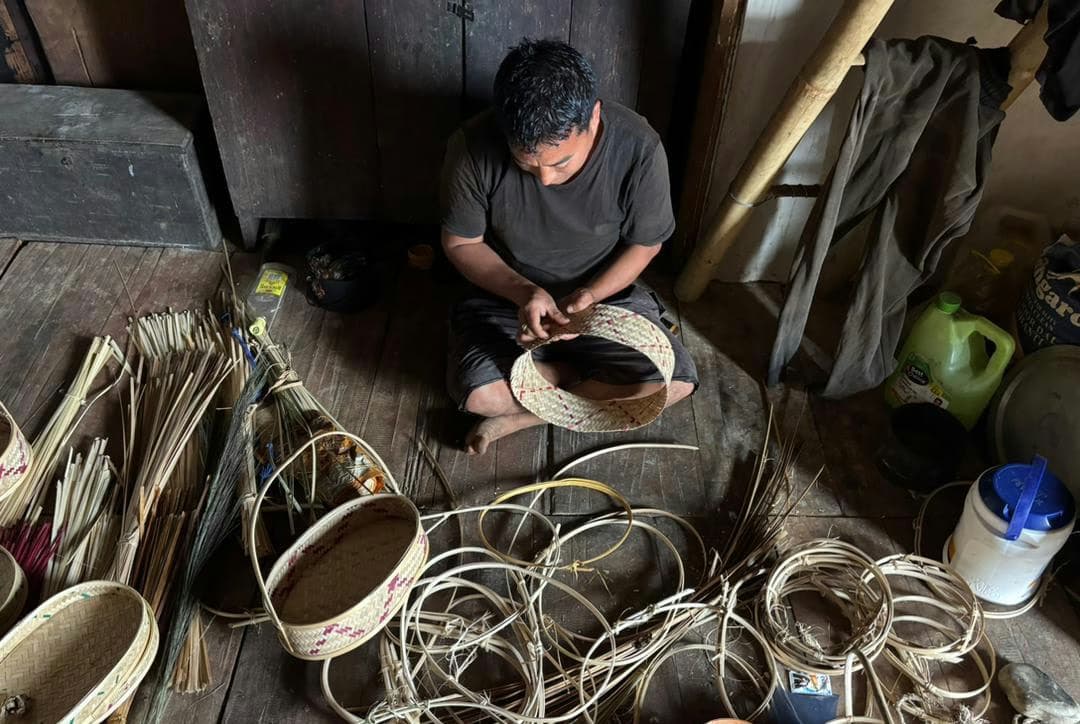
In the serene village of Bjoka, nestled in Bhutan's lush Zhemgang district, bamboo weaving has been a cornerstone of life for generations. However, the once-abundant Yula bamboo, essential for crafting exquisite bangchung baskets and other traditional items, is becoming increasingly scarce. This shortage threatens not only the livelihoods of local artisans but also the cultural heritage of the region. 🌿
The Historical Significance of Bamboo Weaving
Bamboo weaving in Bjoka dates back to a time when rural communities paid taxes in kind, contributing handcrafted bamboo products. Over the years, this craft has become an integral part of the community's identity and economy. The artisans of Bjoka are renowned for their skill in weaving Yula bamboo, prized for its hard, shiny surface, flexibility, and ability to take on vibrant dyes. These qualities make Yula ideal for creating durable and aesthetically pleasing products. 🎨
A Craft Under Siege: The Decline of Yula Bamboo
Key Challenges
- Scarcity of Yula: The primary bamboo species, Neomicrocalamus andropogonifolius, is dwindling due to overharvesting and ecological constraints.
- Enforcement Issues: Despite regulations, enforcing sustainable harvesting practices is challenging, as bamboo collection areas are vast and remote.
- Slow Cultivation: While efforts are underway to cultivate bamboo on private lands, Yula takes 6-7 years to mature, delaying relief for artisans.
The Economic Impact
Yula bamboo is vital for Bjoka's economy. Artisans like Rinzin Tshewang depend on its unique properties to craft products that sell for between Nu 600 and Nu 1,200. With demand rising through digital platforms like TikTok and WhatsApp, the pressure on Yula's supply has intensified. 📈
Exploring Alternatives: A Glimmer of Hope
Other Bamboo Species
- Jasui (Bambusa alamii) and Demcher (Dendrocalamus sikkimensis) are being used as alternatives. They mature faster but lack the finesse of Yula.
- Research and Innovation: The Bjoka Tsharzo Tshogpa is actively researching these species to develop new designs and reduce reliance on Yula.
The Role of Technology
Digital platforms have expanded the market for Bjoka's bamboo products, connecting artisans with buyers far beyond Bhutan. This increased visibility underscores the urgency to find sustainable solutions for Yula's scarcity. 📱
The Path Forward: Sustainability and Innovation
To ensure the survival of Bjoka's bamboo weaving tradition, a multifaceted approach is necessary:
- Sustainable Harvesting: Implement stricter regulations and monitoring to ensure responsible bamboo collection.
- Cultivation Initiatives: Encourage bamboo planting on private lands and educate farmers on best practices.
- Research and Development: Invest in studies to identify viable alternative bamboo species that can meet the artisans' requirements.
Conclusion: A Craft at a Crossroads
The story of Bjoka's bamboo weaving is one of resilience and adaptability. However, without sustainable solutions, the community risks losing a vital part of its cultural and economic fabric. As Bhutan continues to embrace modernization, preserving traditional crafts like bamboo weaving will require a delicate balance between innovation and heritage. 🌍
By fostering sustainable practices and exploring alternative resources, Bjoka can continue to thrive, ensuring that its rich tradition of bamboo weaving endures for generations to come.
You May Also Like
Environment
Climate Crisis in the Himalayas: Bhutan's Cold Reminder
August 29, 2026
Environment
WBH Conservation Project Delivers Clean Water to Rural Homes
August 29, 2026
Environment
HKH Climate Crisis: Why Regional Unity Matters Now
August 29, 2026
Environment
Bhutan's Solar Power Revolution: Energy Security Strategy
August 26, 2026