Category:
NewsASF Crisis in Norbugang Unveils Insurance Shortfalls
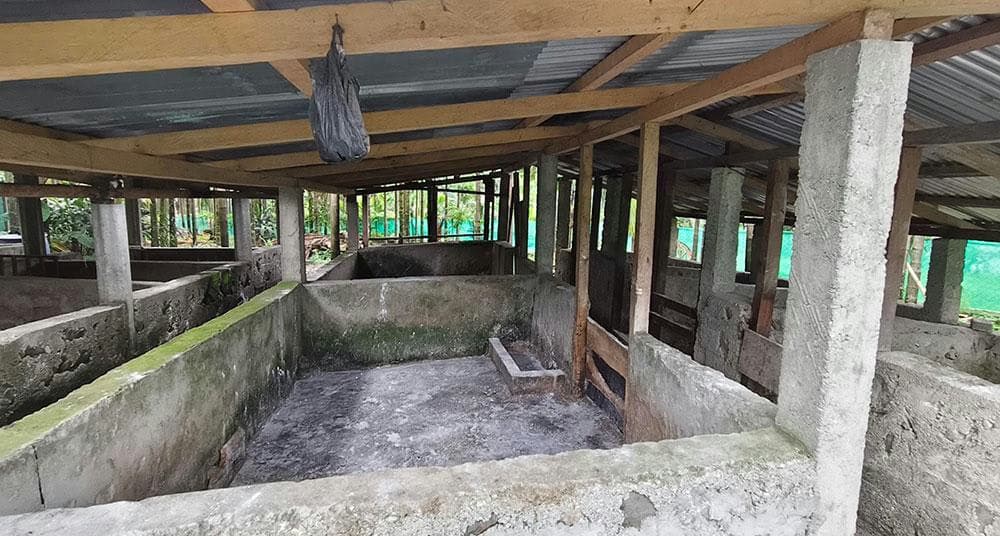
The recent outbreak of African Swine Fever (ASF) in Norbugang, Samtse, has dealt a devastating blow to local piggery farmers, exposing critical gaps in livestock insurance. 🎯 This crisis underscores the vulnerability of rural economies to disease outbreaks and highlights the urgent need for comprehensive risk management solutions.
The Impact of ASF on Norbugang's Livestock Industry
In Norbugang Gewog, 22 piggery farmers have suffered heavy losses due to the ASF outbreak. The disease wiped out approximately 211 pigs, decimating entire pigsties and severely disrupting household incomes. For many farmers, piggery farming was not just a livelihood but a vital source of economic stability. 🐷
Economic Consequences and Farmer Distress
The outbreak struck at a time when farmers were already grappling with market pressures and weakening demand for pork, intensifying their financial distress. This dual economic shock has left many households struggling to recover, highlighting the fragile nature of piggery-based livelihoods.
- Major Source of Income: Piggery farming is crucial for many families in Norbugang, a leading livestock-producing region.
- Disrupted Livelihoods: The ASF outbreak has severely affected the local economy, exacerbating existing financial strains.
- Compounding Challenges: Farmers face mounting debts as lenders demand repayments despite their inability to generate income from livestock.
The Insurance Gap: A Call for Reform
The ASF outbreak has renewed attention on the absence of livestock insurance and the need for reform in compensation mechanisms. Under current frameworks, only pigs culled as a preventive measure are eligible for compensation. This exclusion leaves the majority of affected farmers without financial support, deepening their economic challenges.
Farmers' Voices: The Need for Support
Many farmers, like Karney Rai and Dhan Kumar Rai, express frustration over the lack of comprehensive financial assistance. Despite significant investments, their farms have been devastated, leaving them with debt and uncertainty about the future of piggery farming.
- Financial Burden: Farmers like Karney Rai have lost over 50 pigs, rendering their investments financially unmanageable.
- Demand for Change: Farmers are advocating for a structured livestock insurance scheme to mitigate risks from epidemic outbreaks.
Broader Implications for Bhutan's Livestock Sector
The ASF outbreak in Norbugang is a stark reminder of the challenges facing Bhutan's livestock sector. While government initiatives promote livestock expansion, the absence of robust insurance coverage leaves farmers vulnerable to epidemic losses.
Building Resilience: A Path Forward
To strengthen resilience, there is a pressing need for a comprehensive risk financing mechanism that includes:
- Livestock Insurance: A structured insurance scheme to cover epidemic-related losses.
- Compensation Frameworks: Expanded criteria to include all affected livestock during outbreaks.
- Government Support: Enhanced support for farmers through credit facilities and recovery assistance.
Conclusion: A Call to Action 🚀
The ASF outbreak in Norbugang is a critical juncture for Bhutan's livestock industry. It calls for immediate action to implement risk management solutions that protect farmers and sustain rural livelihoods. As we look forward, the development of comprehensive insurance and compensation frameworks will be essential to building a resilient and secure future for Bhutan's agricultural sector.
The path ahead must prioritize farmer support and encourage reinvestment in livestock farming, ensuring that communities can recover and thrive even in the face of unforeseen challenges. 🌟
You May Also Like
News
Women Entrepreneurs Master AI and Digital Tools in Phuentsholing
September 1, 2026

News
Can Samtse Keep Up With Its Growing Workforce?
August 29, 2026

News
Nepal Flood Exposes Critical Gaps in Bhutan's Early Warning Systems
August 29, 2026
News
High Court Overturns Acquittal: Doctor Sentenced to 10 Years for Child Sexual Abuse
August 29, 2026