Category:
NewsBhutan's Transformation in Nepali Perspective
Bhutan's Remarkable Growth 🌟
Bhutan, often considered a small nation, has made significant strides in its development journey over the past two decades. Despite its modest size, Bhutan's global economic footprint is impressive. With a GDP increase from USD 750 million in 2004 to USD 3 billion in 2024, Bhutan has demonstrated that size does not dictate potential.
Economic Milestones 🚀
- GDP Growth: Bhutan's GDP has quadrupled, showcasing robust economic strategies.
- Per Capita Income: Rising fivefold, Bhutan's per capita income reflects improved living standards.
- Poverty Reduction: A commendable drop in poverty from 65% to 12% over twenty years.
- Tourism Boom: Visitor numbers soared to 315,000 in 2019, highlighting Bhutan's appeal.
Hydropower has been a cornerstone of this growth, complemented by rising remittances, which now constitute about 10% of the GDP. This economic model, leveraging natural resources and diaspora contributions, offers valuable lessons for neighbors like Nepal.
Comparative Insights with Nepal 🇳🇵
Bhutan's progress is particularly instructive for Nepal, a country with similar geographical and demographic challenges. Both nations are navigating the complexities of migration and remittances, with a significant portion of their populations pursuing opportunities abroad.
Migration Dynamics 🌍
- Youthful Populations: Bhutan's under-30 demographic mirrors Nepal's under-25, driving migration trends.
- Economic Impact of Remittances: For Nepal, remittances form almost a third of GDP, emphasizing their economic significance.
- Policy Challenges: The focus is shifting towards making migration safer and integrating returnees effectively.
Countries like the GCC, Singapore, and Japan offer models for harnessing labor mobility as a tool for economic growth, a path both Nepal and Bhutan are exploring.
Cultural and Historical Ties 🕌
Beyond economics, Bhutan and Nepal share a rich cultural heritage, primarily rooted in Buddhism. The laying of the foundation stone for a Bhutanese monastery in Lumbini underscores this spiritual connection.
Shared Heritage 📜
- Artistic Influences: From Newa Buddhist paintings to metal sculptures, Nepal's cultural influence is evident in Bhutan.
- Historical Linkages: Stories like Beypina and the craftsmanship of Newa artisans highlight deep-rooted ties.
These cultural connections open avenues for collaboration in heritage tourism, further strengthening bilateral relations.
Building a Collaborative Future 🤝
The potential for cooperation extends into the economic sphere. Initiatives like Upaya City Cargo's partnership with Bhutan's Exim Express illustrate the possibilities for modernizing logistics and building a Himalayan marketplace.
Strategic Partnerships 🌐
- E-commerce Opportunities: Leveraging digital platforms for product sourcing and delivery.
- Trade Prospects: A formal bilateral trade agreement could unlock markets for both nations.
Events like the Himalayan Future Forum have begun fostering collaborations, but the challenge remains to translate goodwill into tangible economic partnerships.
Conclusion: A Shared Path Forward 🌈
Nepal and Bhutan stand at the cusp of a transformative era. By harnessing their shared cultural heritage and economic synergies, both nations can forge a prosperous future. The focus should now shift towards formalizing trade agreements and building robust frameworks for collaboration, ensuring that their unique potential is fully realized.
You May Also Like
News
Women Entrepreneurs Master AI and Digital Tools in Phuentsholing
September 1, 2026
News
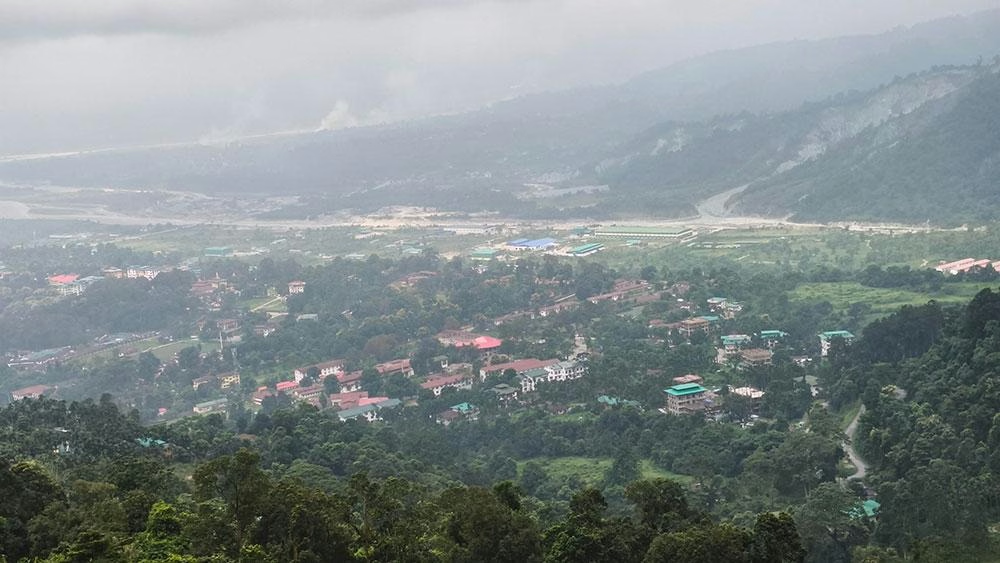
Can Samtse Keep Up With Its Growing Workforce?
August 29, 2026
News
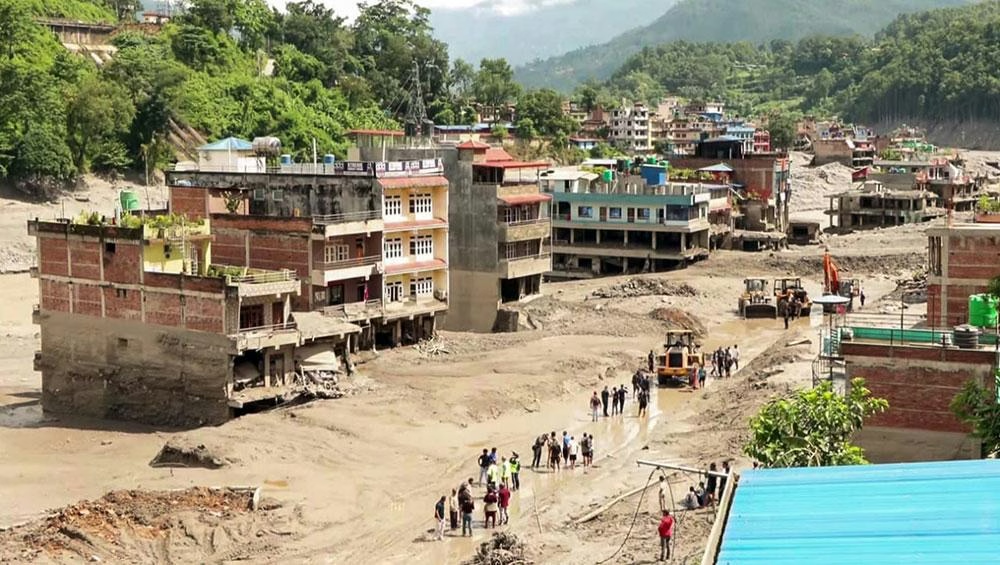
Nepal Flood Exposes Critical Gaps in Bhutan's Early Warning Systems
August 29, 2026
News
High Court Overturns Acquittal: Doctor Sentenced to 10 Years for Child Sexual Abuse
August 29, 2026