Category:
HealthAddressing Bhutan's Healthcare Professional Exodus
The Silent Departure of Bhutan's Healers 🌏
In recent years, Bhutan has witnessed an unsettling trend: a significant number of its healthcare professionals are choosing to leave the country for better opportunities abroad. This silent exodus threatens not only the healthcare system but also the nation's ability to provide quality care to its citizens.
Understanding the Migration Trend 🚶♂️🚶♀️
According to recent reports, over 9,000 Bhutanese have acquired Australian visas, with many healthcare professionals among them. This migration is often driven by the allure of better pay, career progression, and living conditions. Unfortunately, this trend coincides with an increasing prevalence of non-communicable diseases (NCDs) in Bhutan, further straining the healthcare system.
The Impact on Bhutan's Healthcare System 🏥
The departure of skilled medical professionals poses a severe risk to Bhutan's healthcare infrastructure. The loss of experienced practitioners means that the system struggles to maintain quality care, leading to an over-reliance on less experienced or foreign professionals. This turnover could result in long-term instability and a decline in healthcare standards.
Economic Implications 💸
The economic impact is twofold: Bhutan loses potential remittances from abroad, and the cost of hiring foreign medical staff can be significantly higher. While foreign doctors and nurses often command higher salaries, local professionals remain underpaid, creating a disparity that fuels the migration trend.
A Call to Action: Retaining Talent 📢
To counteract this trend, experts suggest restructuring the healthcare profession in Bhutan. By creating a separate cadre for medical professionals, the government can offer competitive salaries, better career opportunities, and recognition for their expertise.
Addressing Inequities ⚖️
The case of Dr. Sonam Jamtsho, one of Bhutan's few neurosurgeons, highlights the inequities in compensation. Despite his expertise, his salary is significantly lower than what he could earn abroad. Aligning local salaries with international standards could incentivize professionals to remain in Bhutan.
Investing in Education and Training 🎓
Institutions like Royal Thimphu College and Apollo Nursing College are pivotal in training new healthcare professionals. However, efforts must go beyond training to include retention strategies that make staying in Bhutan an attractive option.
Conclusion: A Path Forward 🌟
Bhutan's healthcare system stands at a crossroads. By addressing the root causes of migration and investing in local talent, Bhutan can retain its healers and secure a healthier future for its citizens. The time to act is now, ensuring that Bhutan's universal healthcare system remains robust and capable of meeting the needs of its people.
Key Takeaways 🔑
- Reform: Establish a separate cadre for healthcare professionals.
- Compensation: Align salaries with international standards.
- Retention: Develop strategies to keep trained professionals in the country.
The future of Bhutan's healthcare system depends on its ability to adapt and retain its most valuable resource: its people.
You May Also Like

Health
Mental Health: A Shared National Responsibility
August 29, 2026
Health
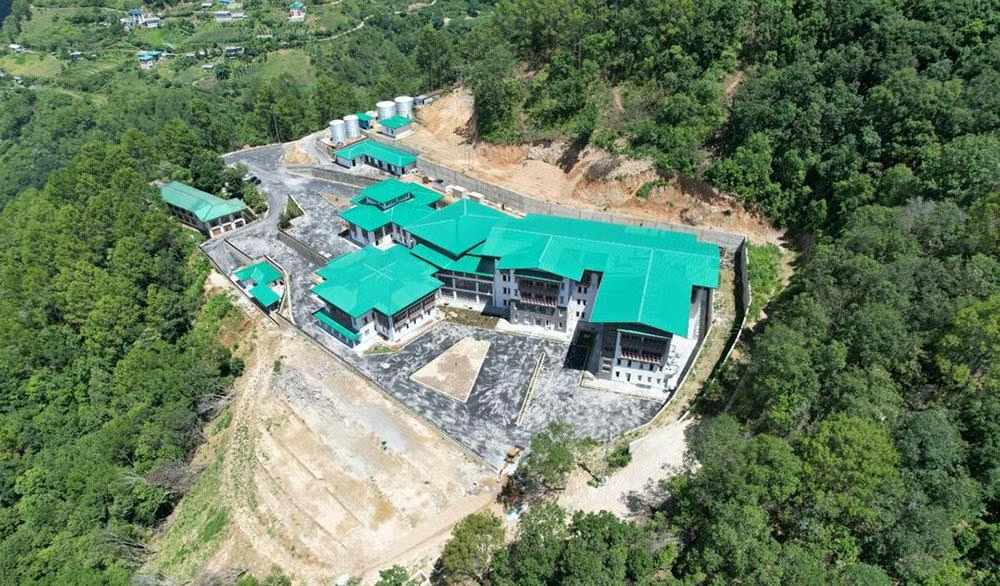
Mongar Mother and Child Hospital Handover: Ending Years of Healthcare Delays
August 26, 2026

Health
Behind Every Statistic: Understanding Human Impact in Health
August 26, 2026
Health
Breaking the Cycle: Understanding Relapse in Recovery
August 22, 2026