Category:
News580,000 Selrotis Served at GMC: A Historic Spiritual Gathering
A Remarkable Display of Cultural Unity and Devotion 🙏
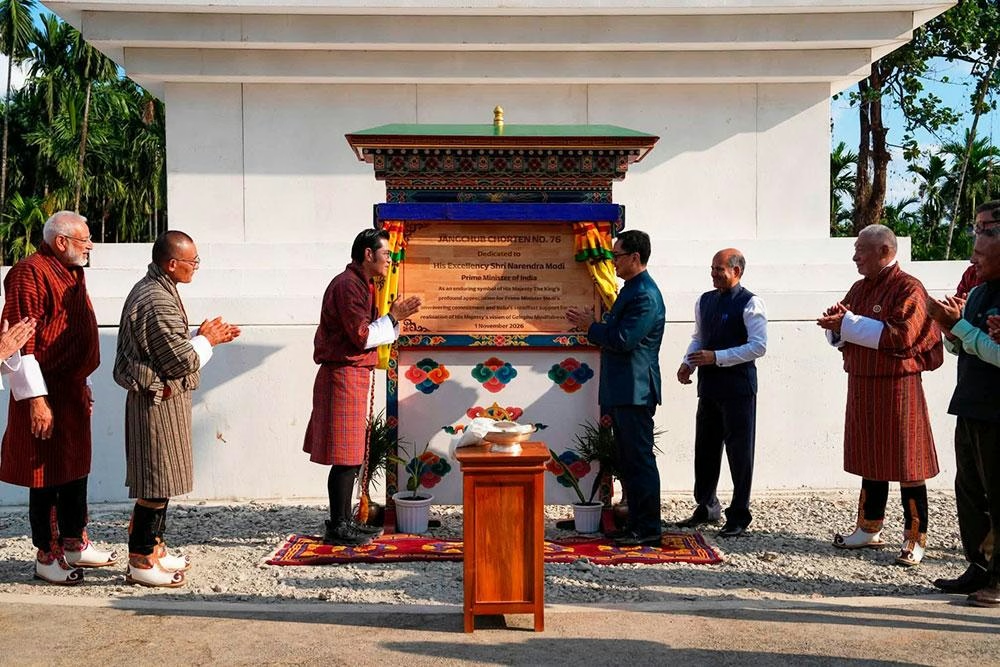
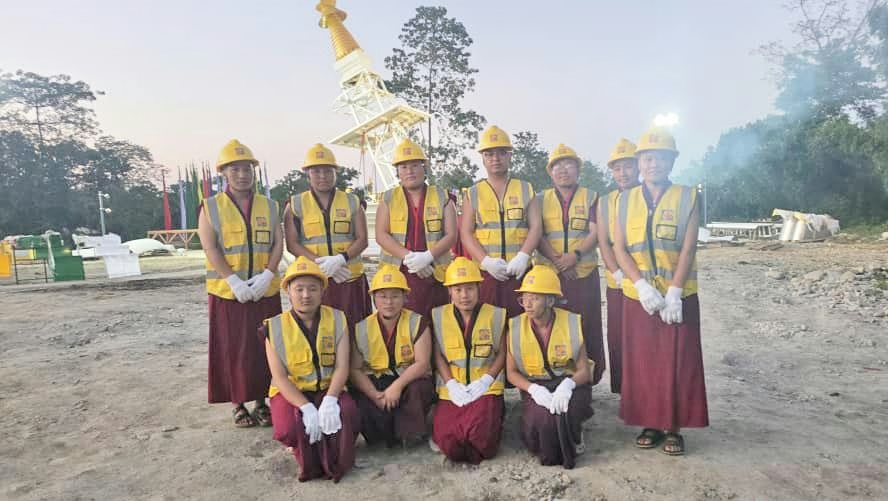
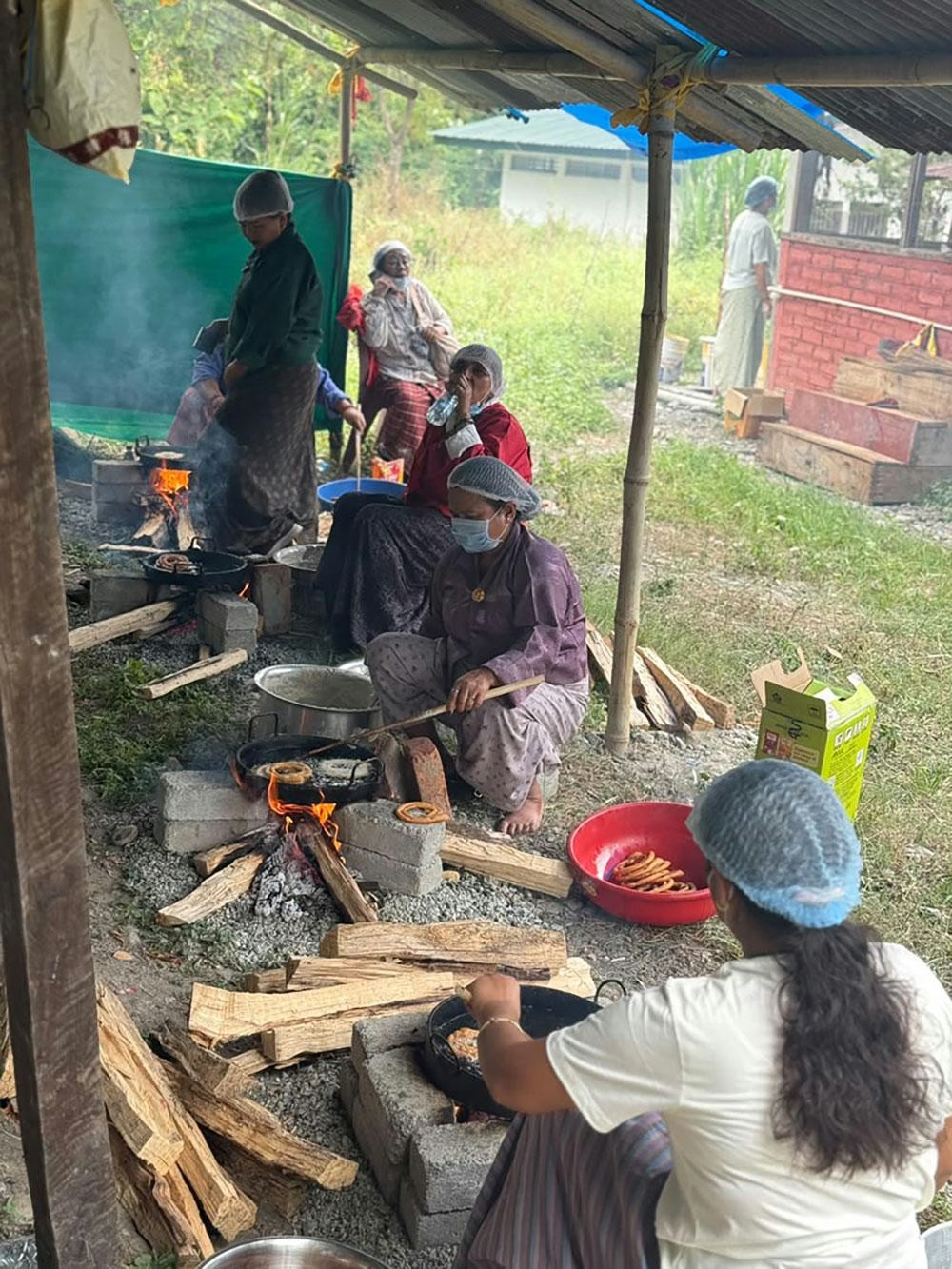
On November 1st, Gelephu Mindfulness City witnessed an extraordinary convergence of faith, tradition, and community spirit. Approximately 200,000 devotees gathered to participate in the sacred raising of 108 Jangchub Chortens, marking one of Bhutan's most significant spiritual events in recent years. What made this occasion even more memorable was the coordinated effort across the nation to serve 580,000 freshly prepared selrotis—traditional Bhutanese pastries—to the assembled crowds.
This monumental undertaking represented far more than a simple food distribution. It embodied the essence of cultural connectivity, demonstrating how communities across nine dzongkhags could unite in purpose and devotion. The initiative showcased Bhutan's ability to organize large-scale spiritual events while maintaining cultural authenticity and community participation.
The Genesis of Selroti Sewa Initiative 💡
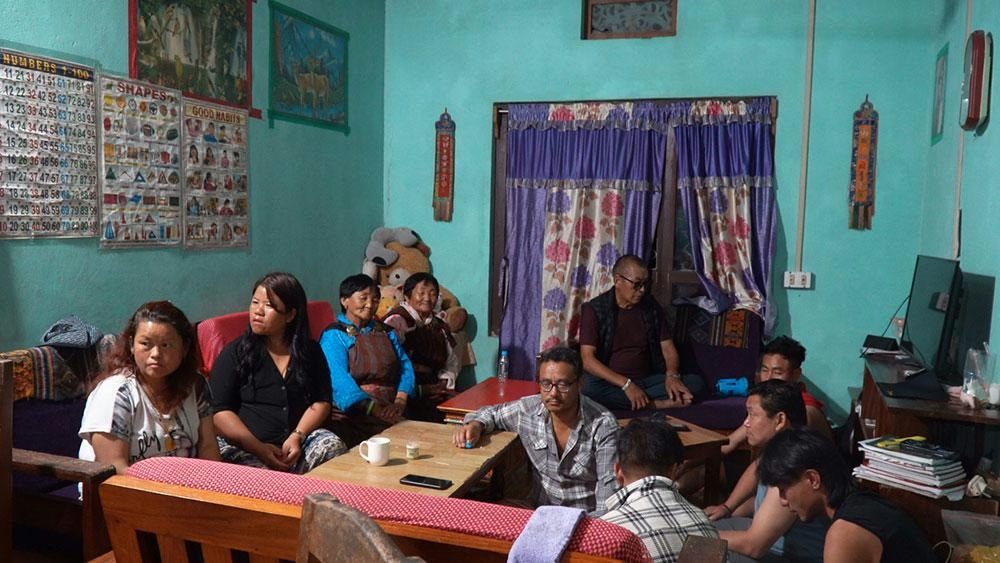
Every transformative project begins with a vision, and the Selroti Sewa program was no exception. The concept originated from a desire to strengthen cultural bonds and create meaningful participation across Bhutan's diverse regions. Durga Prasad Pokhrel, an educator at Lungtenzampa Middle Secondary School, spearheaded this ambitious initiative by proposing it to the Hindu Dharma Samudhaya of Bhutan (HDSB).
The HDSB's leadership recognized the profound potential of this idea and enthusiastically embraced it. Rather than centralizing the effort, they strategically involved all local chapters across the dzongkhags, ensuring grassroots participation and community ownership. This decentralized approach proved instrumental in achieving the scale and authenticity that characterized the final event.
Contributions From Across Nine Dzongkhags 📊
The distribution of selroti contributions revealed the widespread enthusiasm and commitment across Bhutan's regions:
- Samtse led with 115,030 pieces
- Thimphu contributed over 100,000 pieces
- Tsirang provided 98,136 pieces
- Sarpang supplied approximately 76,600 pieces
- Samdrupjongkhar contributed 61,250 pieces
- Dagana provided 56,340 pieces
- Chhukha supplied 54,100 pieces
- Wangdue contributed 10,000 pieces
- Paro provided 8,374 pieces
These figures tell a compelling story of collective commitment. In Thimphu alone, over 1,000 individuals were directly involved in preparation and coordination efforts. Pokhrel's assessment that "not a single household" across participating dzongkhags remained uninvolved underscores the grassroots nature of this unprecedented initiative.
Quality Assurance and Culinary Standards ✅
Organizing the production and distribution of half a million food items required meticulous planning and adherence to rigorous health standards. All selrotis were prepared in close consultation with the Bhutan Food and Drug Authority, ensuring that every piece met national food safety requirements. This collaboration between cultural organizers and regulatory bodies demonstrated Bhutan's commitment to maintaining both tradition and contemporary health protocols.
The preparation process itself became a cultural exercise, with communities across different regions preparing selrotis according to traditional recipes while maintaining standardized quality. This balance between uniformity and regional variation reflected the broader Bhutanese approach to cultural preservation in the modern context.
Distribution and Spiritual Significance 🌟
At Gelephu Mindfulness City, the distribution of selrotis followed a thoughtful organizational structure. Devotees received offerings across all eight Zeerays—traditional administrative divisions—ensuring equitable access regardless of location within the sprawling event grounds. As evening descended, the distribution extended to the general public gathered at the public grounds for a spectacular night show featuring performances by both Bhutanese and international artists.
This multi-stage distribution strategy served a dual purpose: it honored the spiritual significance of the occasion while creating practical opportunities for community participation. The selroti offering became a tangible expression of collective devotion, with each piece carrying the intention and contribution of communities from across the nation.
Financial Support and Transparency 💰
Beyond the physical preparation of selrotis, the initiative generated substantial financial support through a dedicated Selroti Sewa Account. Over Nu 250,000 was raised, funds that were strategically allocated to ensure comprehensive program organization and execution. This financial component enabled the initiative to operate smoothly while maintaining professional standards.
Pokhrel emphasized the importance of transparency, committing to making detailed financial records available to the public. The remaining funds were designated for transfer to the HDSB's official account, supporting future cultural interventions and community engagements. This commitment to accountability strengthened public trust and set a precedent for how large-scale community initiatives should be managed.
Recording Contributions and Community Documentation 📋
A sophisticated system was implemented to document both contributors and participants. Every contribution—whether in the form of prepared selrotis or financial support—was meticulously recorded. This documentation serves multiple purposes: it acknowledges individual and community contributions, creates a historical record of the event, and enables the HDSB to communicate gratitude and recognition to participants.
The decision to make contributor details available on the HDSB website represents a modern approach to community recognition. In an era where social media often highlights individual achievements, this digital documentation ensures that collective contributions are properly acknowledged and archived for posterity.
Health Services and Emergency Preparedness 🏥
Organizing an event of this magnitude required comprehensive health infrastructure. The Medical Superintendent of Gelephu Central Regional Referral Hospital, Dr. Choeda Gyaltshen, coordinated medical services that proved essential throughout the three-day event.
The patient volume demonstrated both the scale of the gathering and the health challenges associated with large assemblies:
- November 1: 262 patients received medical services
- November 2: 309 patients attended health units
- November 3: 750 patients sought medical attention across facilities
The most common complaints included headaches, migraines, musculoskeletal pains, hypertension, and gastritis—typical conditions associated with outdoor gatherings, extended standing, and travel-related stress. The availability of medical services across multiple health units and hospitals ensured that no attendee's health concern went unaddressed.
Transportation Challenges and Solutions 🚕
Moving 200,000 people to and from Gelephu Mindfulness City presented unprecedented logistical challenges. The Bhutan Taxi Association (BTA) mobilized approximately 1,650 volunteer taxis from all 20 dzongkhags to provide transportation services. Participating operators demonstrated remarkable commitment by agreeing to provide services at 50 percent discounts on normal fares for designated routes.
The initiative introduced special volunteer taxi identification cards, enabling devotees to easily recognize authorized vehicles. Despite these organized efforts, some transportation-related concerns emerged on social media, prompting the BTA to issue clarifications about the program's structure and coordination mechanisms.
The association emphasized that the volunteer taxi initiative was undertaken through the voluntary commitment and cooperation of operators across the country. Designated taxi coordinators at the dzongkhag level, along with head office staff and focal persons, managed deployment to ensure systematic service delivery.
The Broader Significance of Selroti Sewa 🌏
The Selroti Sewa initiative transcends a simple food distribution program. It represents Bhutan's capacity to organize complex, multi-dzongkhag initiatives that honor cultural traditions while embracing modern organizational practices. The event demonstrates how spiritual occasions can catalyze community participation and strengthen social bonds across geographic and demographic boundaries.
This model of organization—decentralized planning with centralized coordination—offers valuable lessons for future national initiatives. By empowering local communities while maintaining quality standards and transparency, the HDSB created a replicable framework for cultural engagement.
Looking Forward: Cultural Initiatives and Community Engagement 🚀
The success of the Selroti Sewa program signals growing interest in large-scale cultural initiatives that engage communities meaningfully. As Bhutan continues balancing modernization with cultural preservation, such initiatives provide platforms for younger generations to connect with traditions while contributing to collective experiences.
The comprehensive documentation and transparent financial management set new standards for how cultural organizations should operate. Future initiatives can build upon these foundations, potentially expanding the model to other regions and occasions.
Key Takeaways ✨
The 580,000 selrotis served at Gelephu Mindfulness City represent far more than numbers. They symbolize:
- Cultural connectivity across nine dzongkhags and diverse communities
- Collective devotion expressed through tangible community participation
- Organizational excellence demonstrated through coordination of complex logistics
- Transparent governance reflected in meticulous documentation and financial accountability
- Modern spirituality that honors traditions while embracing contemporary practices
This historic gathering will undoubtedly inspire future cultural initiatives and demonstrate Bhutan's unique capacity to blend spiritual significance with community-driven organization. The Selroti Sewa program stands as a testament to what can be achieved when communities unite around shared cultural values and common purpose.