Category:
PoliticsWomen's Caucus Forms Interim Committee to Advance Women in Politics
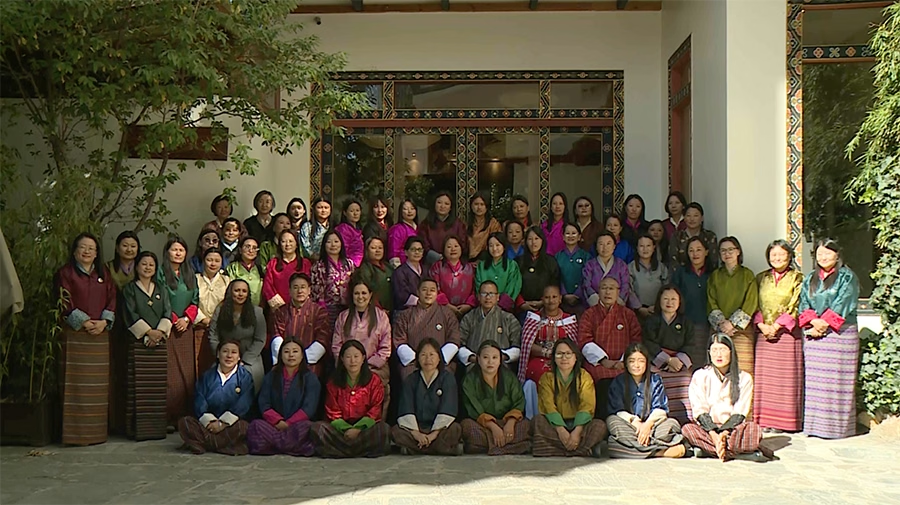
A Historic Step Toward Political Equality 🌟
Bhutan is witnessing a pivotal moment in its political landscape as a newly formed women's caucus establishes an interim committee dedicated to breaking barriers and advancing women's representation in politics and leadership positions. This strategic initiative brings together accomplished women from diverse professional sectors across the nation, united by a common vision: creating a more inclusive and equitable political environment where women's voices are heard, valued, and instrumental in shaping national policy.
The formation of this interim committee represents far more than an administrative development—it signals a fundamental commitment to addressing systemic gaps that have historically limited women's participation in decision-making roles. By pooling expertise, experiences, and perspectives from women leaders spanning various industries and regions, the caucus is positioned to drive meaningful institutional change.
Understanding the Current Landscape 📊
While Bhutan has made commendable strides in gender equality compared to many regional peers, women remain underrepresented in senior political and leadership positions. This disparity isn't merely a numbers game—it reflects deeper structural challenges that require comprehensive, multi-faceted solutions.
According to recent global data, countries with greater women's political participation demonstrate improved governance outcomes, enhanced policy responsiveness to community needs, and stronger democratic institutions. Bhutan stands to gain significantly from accelerating its progress in this critical area.
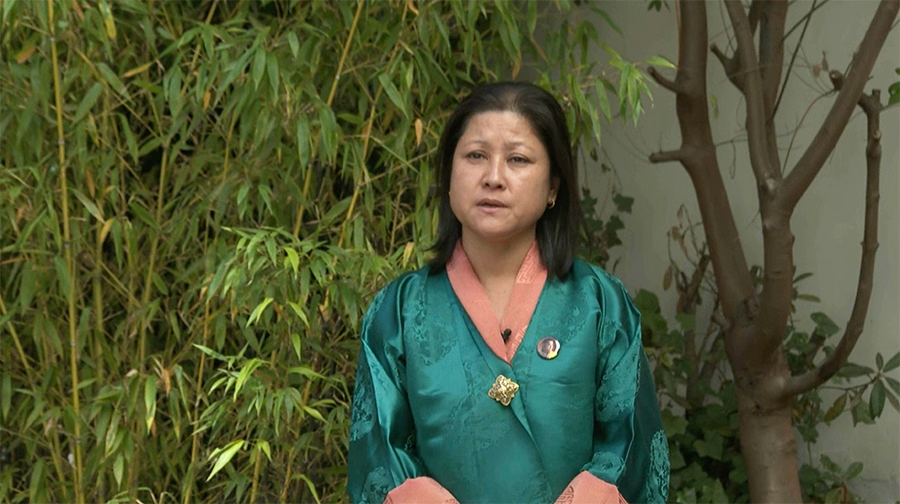
Reena Thapa, Chief Programme Officer of the National Commission for Women and Children, emphasizes a crucial finding from the caucus's initial consultations: the pressing need to develop comprehensive rules and regulations while simultaneously reviewing existing legislation. "There is a clear mandate to examine and potentially reform our legal framework," Thapa explains. "The existing acts and laws require careful review to identify provisions that may inadvertently hinder women's political participation and leadership aspirations."
This legal reform agenda addresses a fundamental reality—many institutional barriers to women's advancement are embedded in regulatory frameworks that were developed without sufficient consideration of gender dynamics or contemporary perspectives on equality.
Capability Meets Perception 💪
Sangay Lhamo, Orong Mangmi from Samdrup Jongkhar, brings a compelling perspective rooted in her own leadership experience. "Women possess the same intellectual capacity, strategic thinking abilities, and decision-making competencies as their male counterparts," she asserts. Yet she identifies a critical challenge that transcends individual capability: public perception and awareness.
This observation touches on a phenomenon well-documented in gender studies research—the "competence gap" where women leaders are often held to higher standards and their capabilities are more readily questioned than those of male leaders, despite equivalent or superior performance records.
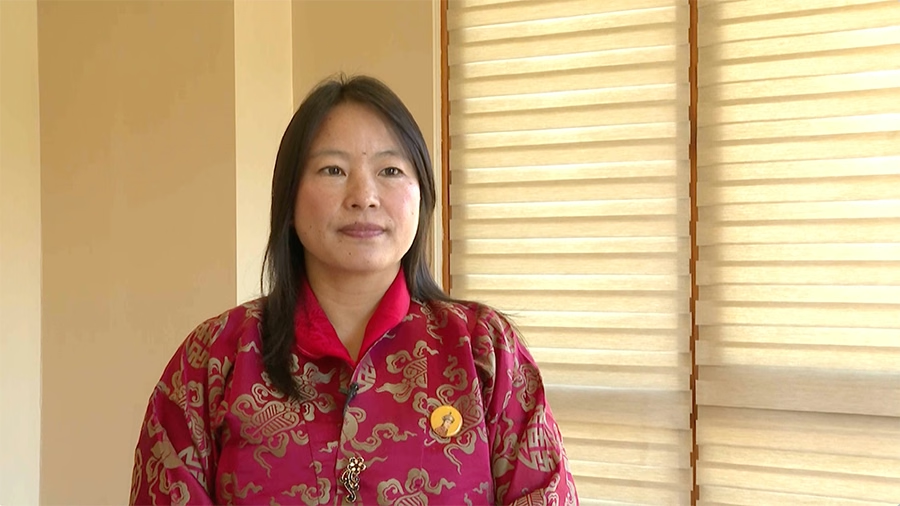
Lhamo advocates for a dual-track approach: expanding public education campaigns about women's proven leadership abilities while simultaneously ensuring that women already in political positions serve as visible role models. "When women leaders demonstrate excellence in their roles, they reshape public perceptions and build confidence in women's leadership across society," she notes.
This strategy aligns with behavioral psychology research showing that exposure to successful female leaders significantly increases public support for women in politics and leadership more broadly.
Setting Priorities and Defining Goals 🎯
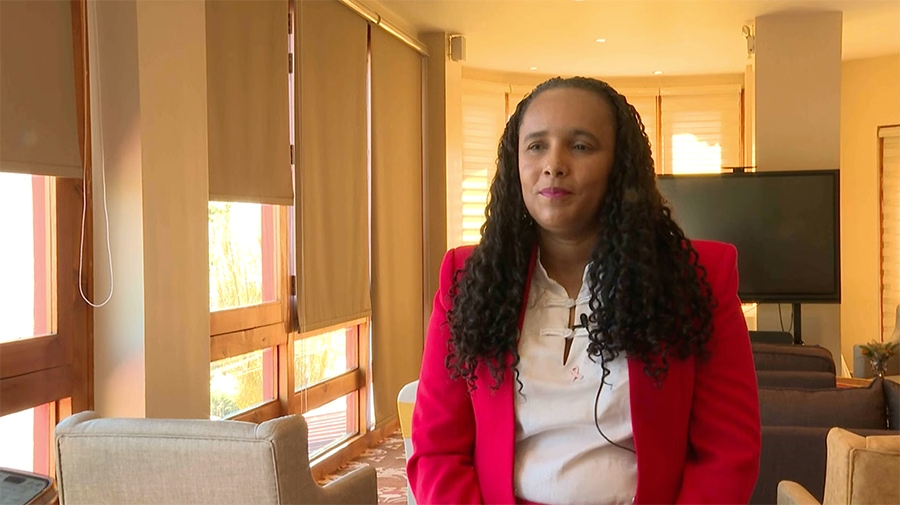
Graca Maria Sanchez, Gender Specialist at the Inter-Parliamentary Union, brings international expertise and a critical insight about organizational effectiveness: the importance of collaborative goal-setting among women leaders. Rather than imposing top-down objectives, Sanchez emphasizes that women leaders must collectively define their priorities and articulate clear, measurable goals.
"The strength of any movement lies in its clarity of purpose," Sanchez explains. "When diverse women leaders come together and collectively determine what they want to achieve, they create ownership, accountability, and momentum that external mandates simply cannot generate."
This participatory approach to strategic planning reflects best practices in organizational change management and aligns with feminist principles emphasizing women's agency in shaping their own advancement.
The Committee's Mandate and Work Ahead 📋
The ten-member interim committee faces an ambitious but well-defined agenda:
- Legal audit: Systematically identify existing laws and regulations that may create barriers to women's political participation
- Regulatory development: Propose new rules and regulations specifically designed to facilitate and encourage women's engagement in politics
- Policy recommendations: Formulate concrete suggestions for institutional reforms
- Strategic planning: Establish medium and long-term goals for advancing women's representation
- Stakeholder engagement: Coordinate with government bodies, civil society organizations, and community leaders
This comprehensive work program reflects international best practices in advancing gender equality. Countries that have successfully increased women's political representation typically combine legal reforms, institutional support structures, awareness campaigns, and mentorship programs—precisely the multifaceted approach this committee is positioned to undertake.
Why This Matters Now 🔥
The timing of this initiative is significant. Global research consistently demonstrates that diverse leadership teams make better decisions, organizations with gender-balanced leadership perform better financially, and democracies with greater women's representation enjoy higher levels of citizen trust and satisfaction.
Bhutan's commitment to sustainable development and good governance is strengthened immeasurably by ensuring that women—constituting roughly half the population—have genuine opportunities to participate fully in political and leadership spheres.
Looking Forward ✨
The establishment of this interim committee marks the beginning of a transformative process rather than its conclusion. The real work—reviewing laws, drafting new regulations, building public awareness, and creating institutional pathways for women's advancement—lies ahead.
Success will require sustained commitment from multiple stakeholders: government bodies must be willing to implement recommended reforms, political parties must actively recruit and support women candidates, civil society must continue advocacy and awareness-building, and society broadly must embrace the reality that women's full participation in politics strengthens democratic institutions and improves governance outcomes.
For Bhutan, this women's caucus and its interim committee represent an investment in the nation's future—one where talent and capability, not gender, determine who leads and shapes policy decisions. As the committee moves forward with its mandate, the nation watches with anticipation for the reforms and advancements that promise to make Bhutanese politics and leadership more representative, responsive, and effective. 🌈
Key Takeaways 💡
- Women's political representation significantly improves governance quality and policy outcomes
- Legal and regulatory frameworks often contain hidden barriers to women's advancement that require systematic review
- Public perception of women's capabilities can be shifted through visible role modeling and targeted awareness campaigns
- Collaborative goal-setting among women leaders creates stronger commitment and more effective strategies
- Bhutan's interim committee has a clear, comprehensive mandate to drive institutional change
- Success requires coordinated efforts across government, political parties, civil society, and the broader community
You May Also Like
Politics
ECB's Second FLT: Local Government Hopefuls Get Fresh Opportunity
October 28, 2026
Politics
Parliamentary Oversight of Bureaucratic Power: A Democratic Imperative
October 24, 2026
Politics
Future-Ready Governance: The GNH Framework
October 24, 2026
Politics
Mines and Minerals Bill Returns After 5-Year Deadlock
October 21, 2026