Category:
TourismWhere Forests Forge the Future
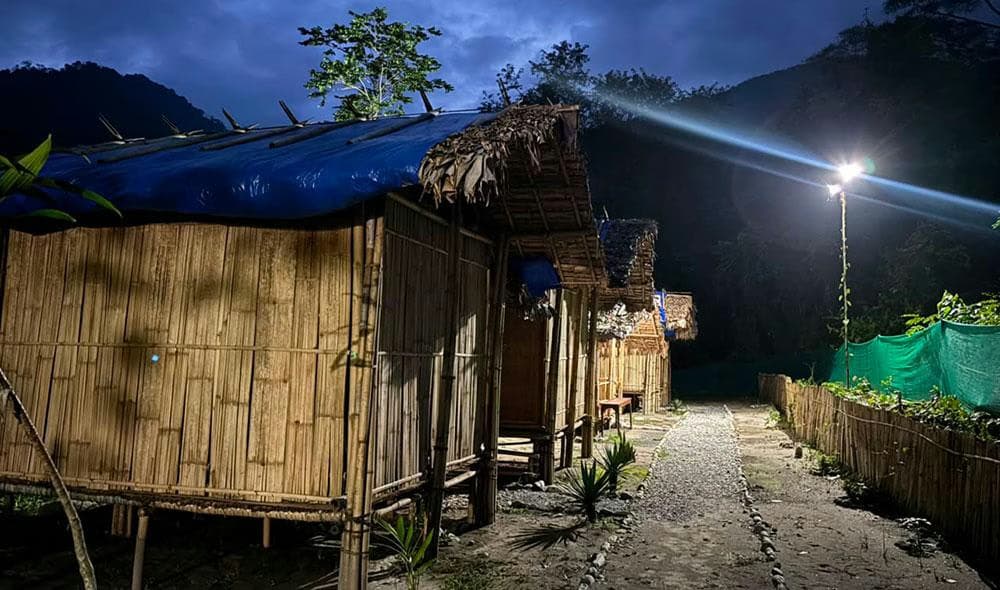
In the heart of Bhutan, a transformative journey is unfolding—a journey where the lush forests of Panbang are crafting a future rooted in eco-tourism. 🌳✨ But what makes this remote corner of Zhemgang a beacon for sustainable tourism?
A Legacy of Cultivation
Back in 1976, when Dasho Keiji Nishioka set foot in Panbang, the land was a canvas of untamed wilderness. His arrival marked the dawn of modern agriculture, introducing stability through innovative farming practices. Today, his influence lingers in the rice fields and bridges, earning him the affectionate title of "Japan Sahib."
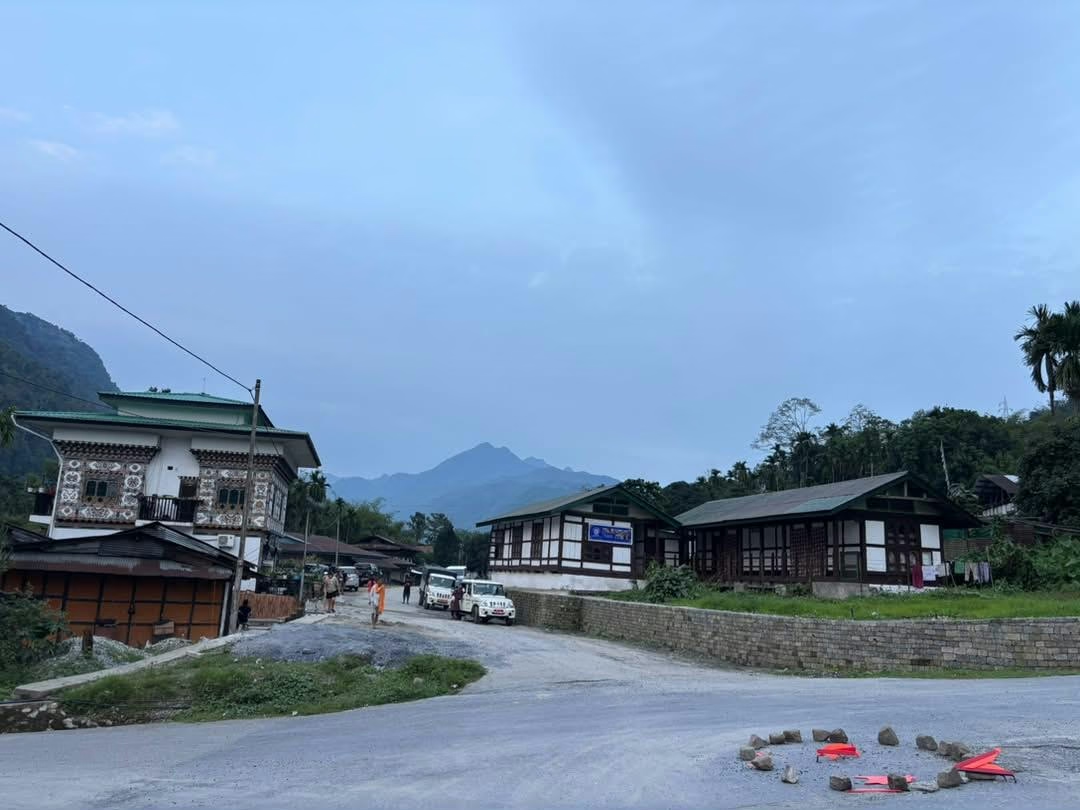
The Shift to Eco-Tourism
As traditional farming practices wane and young people migrate to urban centers, Panbang's focus is shifting. The dense forests and vibrant rivers that once posed challenges are now the community's greatest assets. With nearly 94% forest cover, Zhemgang is an ideal canvas for eco-tourism.
Why Eco-Tourism?
- Biodiversity Hotspot: The region is a rich tapestry of wildlife, from elusive wild cats to a myriad of bird species.
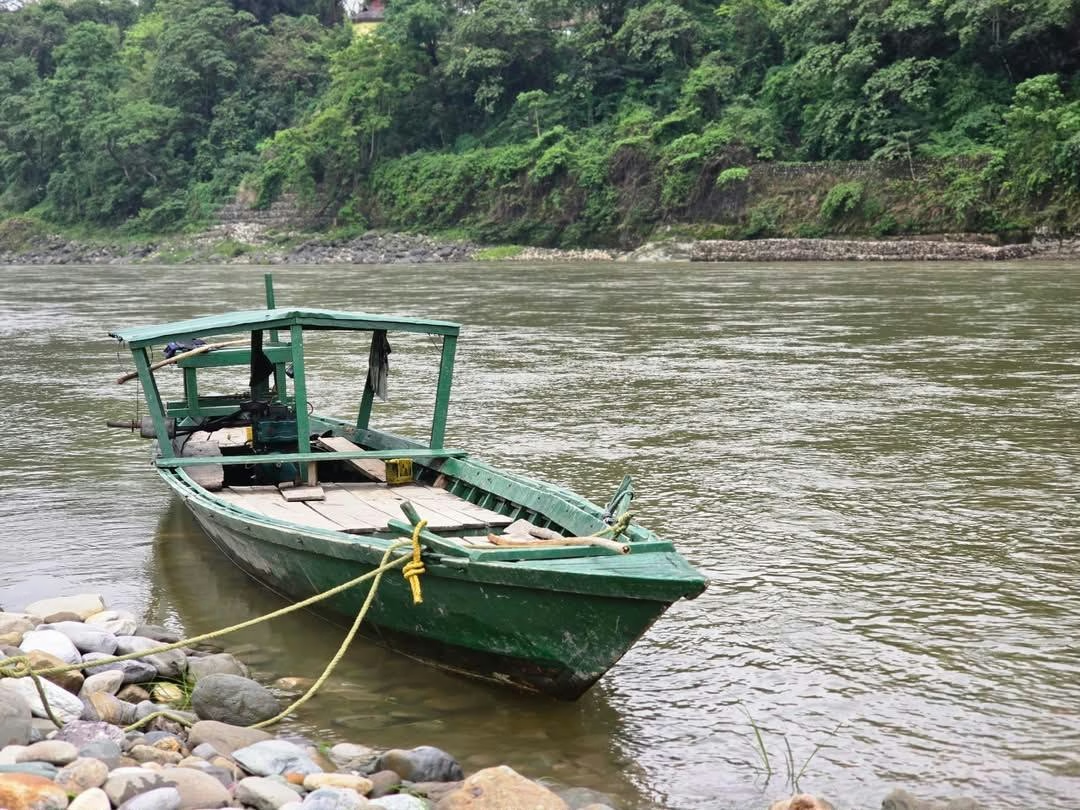
- Natural Beauty: Rivers like the Manas, Mangdechhu, and Drangmechhu carve through the landscape, offering breathtaking vistas.
- Cultural Heritage: The traditional Bhutanese way of life, from handcrafted bamboo boats to ancient bridges, enriches the visitor experience.
Panbang: A Gateway to Nature
Nestled 76 kilometers from the nearest highway, Panbang's remoteness once seemed a hurdle but now serves as a protective barrier, preserving its natural charm. Bordering the Royal Manas National Park, it lies within a UNESCO-recognized ecological landscape, shared with India's Manas National Park.

The Role of Local Initiatives
Local entrepreneurship is thriving. Ugyen Tshering, alongside other young enthusiasts, established Panbang's first private eco-tourism agency. The "River Guides of Panbang," supported by the Bhutan Foundation, paved the way, later expanding with the Jungle Eco-Lodge.
Activities for the Adventurous
- Rafting and Fly-Fishing: Experience the thrill of the rivers.
- Birdwatching Tours: Discover rare species in their natural habitat.
- Cultural Tours: Explore the historic suspension bridge and traditional Bhutanese architecture.
Preserving the Past, Protecting the Future
The suspension bridge from Nishioka's era still stands as a testament to the past. Nearby, the preserved house of Dasho Nishioka and a grove of agarwood trees echo the rich history of Panbang. This fusion of past and present creates a living memory that refuses to fade.
Conclusion: A Vision for Tomorrow
The transformation of Panbang into an eco-tourism hub signals a promising future, where the forests not only shelter the community but also offer sustainable livelihoods. 🌟 As the world shifts towards greener initiatives, Panbang stands as a shining example of how tradition and innovation can coexist, crafting a future where nature and community thrive together.
Key Takeaways:
- Embrace the beauty and biodiversity of Zhemgang for a unique eco-tourism experience.
- Support local initiatives like the River Guides of Panbang to ensure sustainable tourism growth.
- Witness the seamless blend of cultural heritage and natural preservation in Panbang's evolving landscape.
You May Also Like
Tourism
Six Wildlife Sites to Boost Bhutan Tourism Circuit
August 26, 2026
Tourism
Bhutan's Tourism Crisis: Hidden Commissions Threaten Craft Authenticity
August 26, 2026
Tourism
Bumthang Tourism Growth: Local Businesses Push for Better Facilities
August 15, 2026
Tourism
Tsirang's Tourism Transformation: From Highway Pit Stop to Destination
August 15, 2026