Category:
CultureWalking Through the Night for Blessings
A Sacred Journey Under the Stars ✨
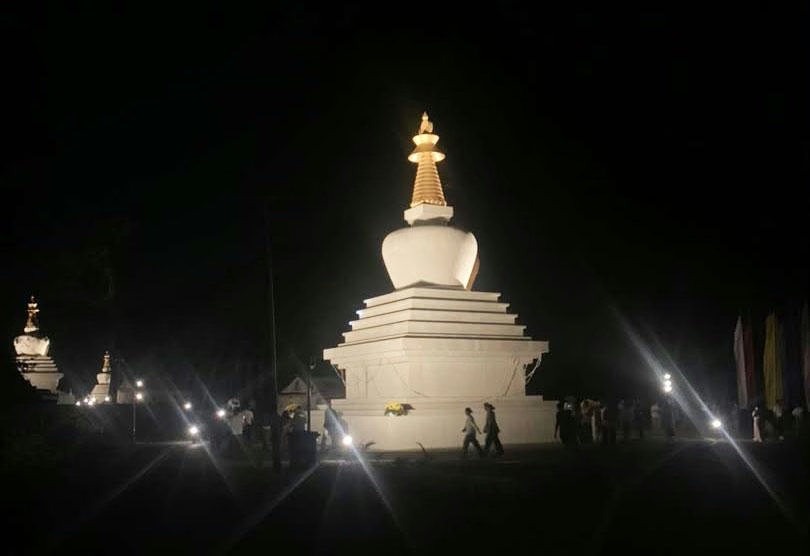
In the heart of Gelephu Mindfulness City, an extraordinary spiritual phenomenon unfolds when darkness falls. Hundreds of devoted pilgrims undertake a transformative nocturnal journey, circumambulating sacred structures with unwavering determination and profound reverence. This nighttime pilgrimage represents far more than a physical endeavor—it embodies a deep cultural tradition rooted in Bhutanese Buddhism and demonstrates the enduring spiritual commitment of the nation's people.
The sight of pilgrims walking through the night for blessings has become increasingly significant in contemporary Bhutanese culture, particularly with the opening of Project 108 and its monumental collection of chortens. These whitewashed structures, illuminated by soft yellow lights that pierce the darkness, create an ethereal landscape stretching across several kilometers. The warm glow against the night sky transforms the entire area into a sanctuary of spiritual contemplation.
Understanding the Spiritual Significance of Koras 🙏
The practice of kora, or circumambulation, represents one of Buddhism's most fundamental devotional practices. Pilgrims move clockwise around sacred structures, a motion believed to accumulate spiritual merit and create positive karma. Each step taken is an act of reverence, each circuit a prayer expressed through movement.
Walking through the night for blessings amplifies this spiritual practice by requiring pilgrims to transcend physical limitations. The sacrifice of sleep becomes a form of dedication, transforming the journey into something profoundly meaningful. For many Bhutanese devotees, this nighttime circumambulation represents a once-in-a-lifetime opportunity to connect with the divine in an exceptionally powerful way.
The 108 chortens hold special significance in Buddhist numerology. The number 108 appears throughout Buddhist tradition, representing the number of desires and delusions that humans must overcome to achieve enlightenment. Each chorten visited becomes a step toward spiritual purification and mental clarity.
The Physical and Spiritual Challenge 💪
Undertaking multiple rounds around 108 chortens demands considerable physical endurance. A single circumambulation of one chorten requires approximately 45 seconds, while the distance between consecutive structures necessitates nearly 55 additional seconds of walking. For those attempting three complete rounds around each chorten, this translates to nearly 280 individual circuits—a testament to human determination and spiritual devotion.
The challenge intensifies when considering the terrain and climate conditions. Pilgrims navigate varying landscapes while maintaining focus on their spiritual intentions. Some walkers move steadily and methodically, while others accelerate their pace, racing against the dawn to complete their desired number of rounds before sunrise.
Despite these physical demands, pilgrims demonstrate remarkable resilience. Elderly devotees with mobility challenges refuse to be deterred, using walking sticks and accepting rest periods while maintaining their commitment to the sacred practice. Young families walk together, creating intergenerational bonds through shared spiritual experience.
Stories of Devotion and Determination 🌟
Nidup Gyeltshen's journey exemplifies the profound commitment demonstrated by contemporary pilgrims. Traveling from Phuentsholing with two colleagues, this 42-year-old began his circumambulation at approximately 4:40 PM. By 1 AM, after more than eight hours of continuous walking, prayer, and brief rest periods, the three companions had completed three full rounds around 93 chortens—totaling 279 individual circuits.
When asked about his motivation, Nidup Gyeltshen articulated a philosophy that resonates throughout Bhutanese spiritual culture: "We may not get such an opportunity later. Our body is made of bones and flesh, and life is unpredictable." This perspective reflects the Buddhist understanding of impermanence and the urgency to accumulate spiritual merit while the opportunity exists.
Nidup Gyeltshen's group specifically dedicated their koras to the wellbeing of both the living and the deceased. This practice of dedicating merit demonstrates the interconnected nature of Buddhist spirituality, where individual devotion extends compassion across both present and past generations.
Another moving example comes from Nima Dorji, a 63-year-old from Chhukha who journeyed to the site with his wife despite significant physical limitations. Both devotees struggled with weak knees, yet they persisted in their circumambulations. Over nearly seven hours, Nima Dorji completed three rounds around each of seven chortens—21 circuits total.
When discussing his experience, Nima Dorji emphasized gratitude rather than accomplishment: "Their Majesties have done so much for us. Even though my legs are not feeling good, I tried my best and came here." His prayers focused on the longevity of Their Majesties, His Holiness the Je Khenpo, the Royal Family, and all sentient beings—reflecting the collective consciousness of Bhutanese spiritual practice.
The Historic Opening of Project 108 🏛️
Project 108 represents a monumental achievement in Bhutanese spiritual infrastructure. The public opening on November 3 marked a watershed moment in the nation's cultural and religious landscape. These 108 chortens were constructed as a manifestation of national vision and royal commitment to preserving and promoting Buddhist practices.
The opening generated unprecedented enthusiasm throughout Bhutan. Hundreds of pilgrims arrived the day before the official opening date, already circumambulating the structures in anticipation. This spontaneous gathering demonstrated the profound hunger within Bhutanese society for opportunities to engage in meaningful spiritual practice.
The project transcends local significance, embodying what many view as a model for spiritual community development. As Nidup Gyeltshen reflected: "This is a historic moment, not just for us but for the world. This is an example for the world." The initiative demonstrates how national leadership can facilitate spiritual growth while creating spaces for collective devotion.
The Nighttime Pilgrimage Experience 🌙
Walking through the night for blessings creates a unique spiritual atmosphere distinct from daytime circumambulations. The darkness encourages introspection, while the illuminated chortens serve as beacons guiding both physical steps and spiritual intentions. Families and friends walk together, creating bonds strengthened by shared sacrifice and purpose.
The cool night air provides respite from daytime heat, enabling pilgrims to maintain their pace over extended periods. Quiet prayers echo across the landscape as individuals focus on their personal intentions while contributing to the collective spiritual energy of the gathering.
By early morning on November 3, thousands had assembled at the site. Many devotees reportedly completed circumambulations around all 108 chortens despite the increasing heat as dawn approached. The transition from night to morning symbolized the journey from darkness to enlightenment, mirroring the spiritual transformation that pilgrims seek through their devotional practice.
Community, Connection, and Cultural Continuity 👥
The phenomenon of walking through the night for blessings reveals essential truths about contemporary Bhutanese culture. Despite modernization and globalization, traditional spiritual practices remain central to national identity and personal meaning-making. Pilgrims span multiple generations, from elderly devotees to young families, demonstrating how Buddhist practices transmit across age groups and maintain relevance.
The accessibility arrangements that enabled pilgrims to reach the site proved crucial to the initiative's success. Transportation support removed barriers that might have prevented elderly or physically challenged devotees from participating. This inclusive approach reflects Buddhist principles of compassion and the belief that spiritual merit should be accessible to all who seek it.
The collective nature of the pilgrimage strengthens social bonds and reinforces shared values. When thousands walk together through the night, each motivated by personal faith yet united in common purpose, they create what sociologists term "communitas"—a profound sense of belonging and shared humanity that transcends individual differences.
The Broader Significance for Bhutan 🇧🇹
Project 108 and its associated pilgrimages hold implications extending beyond individual spiritual development. They represent Bhutan's commitment to preserving Buddhist culture in an increasingly secular world. National leadership's investment in such projects signals that spiritual values remain central to the kingdom's development philosophy.
The pilgrimage also demonstrates how Bhutan balances modernity with tradition. Rather than viewing contemporary infrastructure and ancient practices as contradictory, the nation creates spaces where both can flourish. The combination of modern transportation systems facilitating access to traditional spiritual sites exemplifies this integrated approach.
Furthermore, these gatherings strengthen national cohesion. When citizens from different regions—Phuentsholing, Chhukha, and beyond—converge for shared spiritual practice, they reinforce their collective identity as Bhutanese people united by common values and beliefs.
Lessons in Dedication and Perseverance 💫
The stories of nighttime pilgrims offer profound lessons in commitment and perspective. In a global culture often characterized by convenience and instant gratification, these devotees voluntarily sacrifice comfort for spiritual growth. They walk through darkness, endure physical fatigue, and push beyond perceived limitations—all for intangible spiritual benefits.
This dedication challenges contemporary assumptions about motivation and reward. The pilgrims receive no material compensation, no public recognition beyond their personal satisfaction, yet they arrive in the thousands. Their motivation derives entirely from internal conviction and spiritual aspiration—a powerful counter-narrative to materialistic worldviews.
The acceptance of physical limitations while refusing to abandon spiritual goals demonstrates wisdom. Nima Dorji and his wife did not attempt to complete all 108 chortens; instead, they completed what their bodies allowed while maintaining full commitment to their practice. This approach reflects mature spirituality that values intention and presence over quantitative achievement.
Conclusion: The Enduring Power of Sacred Practice ✨
Walking through the night for blessings represents far more than a religious ritual or cultural tradition. It embodies fundamental human yearnings for meaning, connection, and transcendence. In Gelephu Mindfulness City, under stars and illuminated chortens, thousands of pilgrims demonstrate that these yearnings remain powerful forces in contemporary life.
The phenomenon reveals how traditional practices adapt and thrive within modern contexts. Through Project 108, Bhutan has created a space where ancient Buddhist devotion flourishes alongside contemporary infrastructure and accessibility. The result is a powerful synthesis of tradition and modernity that honors the past while serving present spiritual needs.
As Bhutan continues navigating development and globalization, these nighttime pilgrimages serve as anchors, grounding the nation in its spiritual heritage. For pilgrims like Nidup Gyeltshen and Nima Dorji, the experience transcends personal benefit—it becomes an offering, a prayer, and a commitment to collective wellbeing. In walking through the night for blessings, they walk for themselves, their families, their nation, and ultimately, for all sentient beings seeking enlightenment and peace.
You May Also Like
Culture
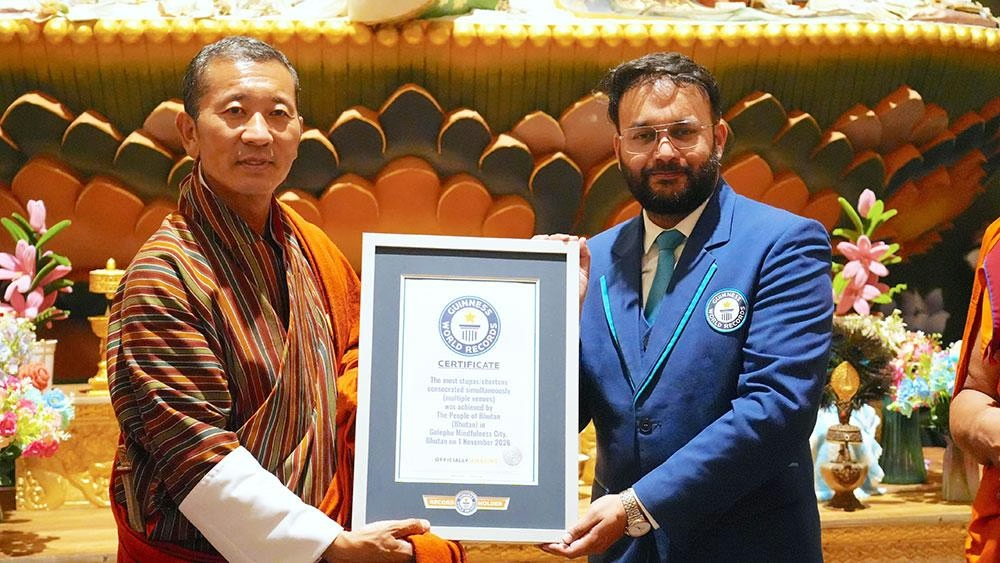
108 Jangchub Chortens: Bhutan's Historic Guinness World Record
November 4, 2026
Culture
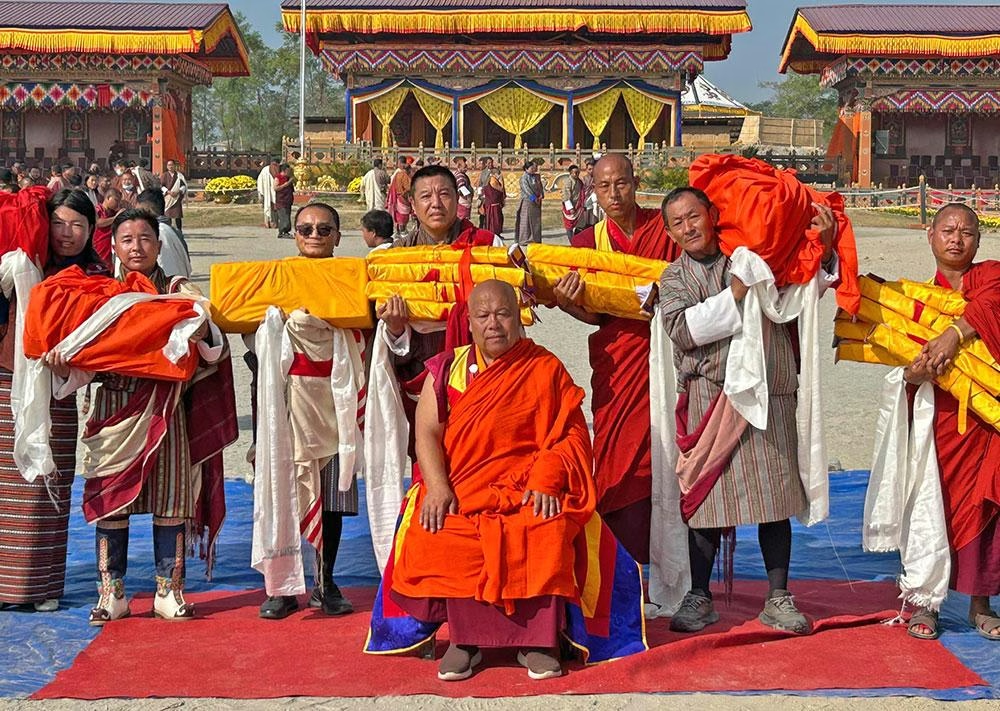
Sacred Kanjur Scriptures: Preserving Buddhist Heritage
November 4, 2026

Culture
108 Chortens Rise at GMC: Prayer Chants Echo Across Bhutan
November 2, 2026
Culture
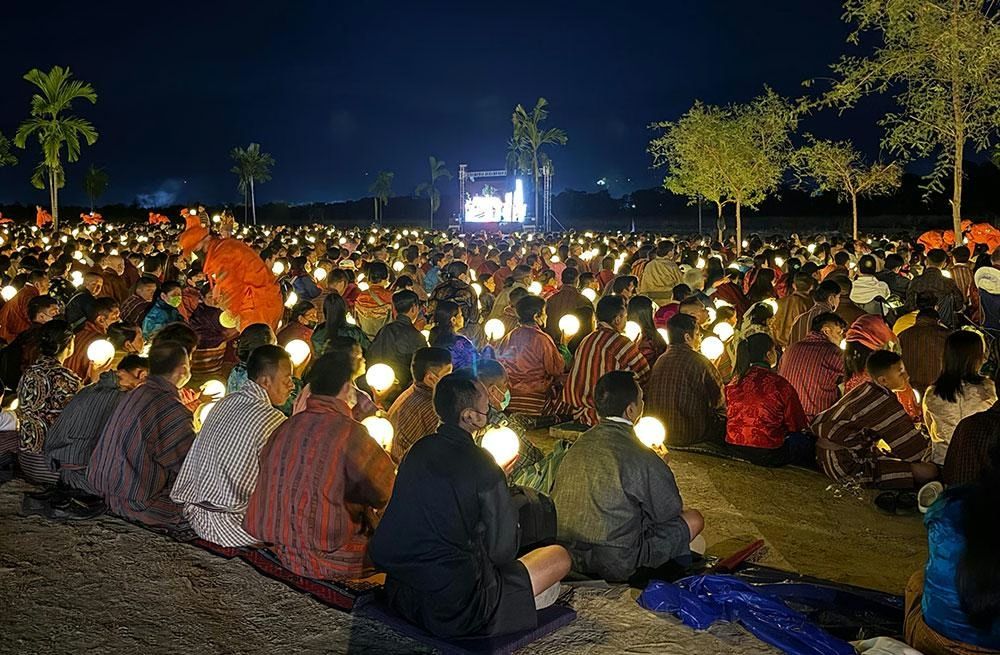
108 Jangchub Chortens: A Night of Faith and History
November 2, 2026