Category:
CultureUnregulated AI Risks Cultural Distortion
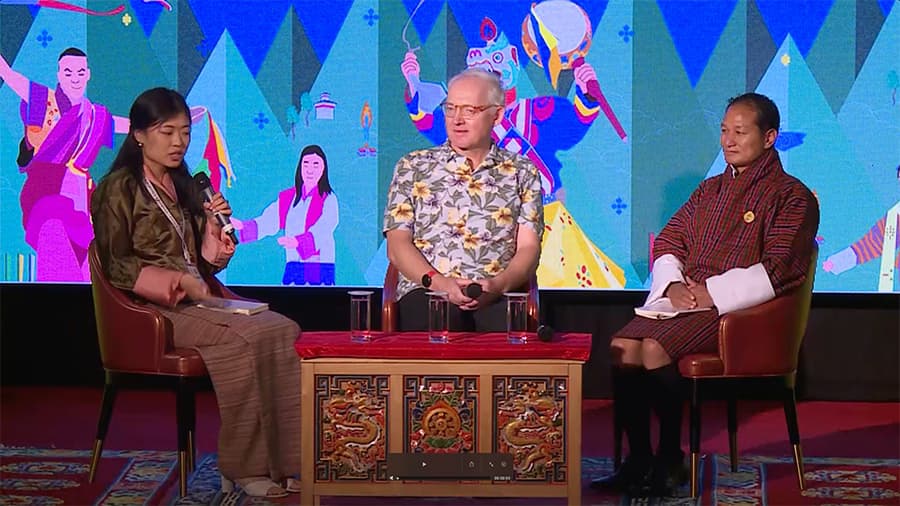
Artificial Intelligence (AI) is reshaping the global cultural landscape with its unprecedented ability to create, modify, and disseminate content. 🌐✨ While AI offers exciting opportunities to preserve and promote cultural heritage, the unregulated use of AI content poses significant risks of cultural distortion, particularly for countries like Bhutan, which prides itself on its rich traditions and cultural identity.
The Double-Edged Sword of AI in Cultural Preservation
AI technologies are increasingly employed to document Bhutanese oral traditions, national attire, arts, architecture, and religious texts. By leveraging AI, the Department of Culture and Dzongkha Development (DCDD) aims to promote the Dzongkha language and Bhutanese culture on a global scale. However, this transformative tool comes with both benefits and drawbacks.
Opportunities for Cultural Promotion
- Digital Documentation: AI-powered tools can meticulously archive oral traditions and religious texts, offering a digital repository for future generations.
- Cultural Accessibility: With AI, Bhutanese culture can reach a global audience, enhancing cultural exchange and understanding.
- Innovation in Arts: AI enables new forms of artistic expression, providing a contemporary twist to traditional forms.
Risks of Cultural Misrepresentation
- Global Dataset Dependence: AI systems often draw from global datasets, which may not accurately represent Bhutanese traditions. This can lead to misinterpretations of cultural practices, attire, and religious expressions.
- Cultural Appropriation: AI-generated content can misuse sacred symbols and traditional designs, leading to commercial exploitation without consent.
- Loss of Authenticity: Altering traditional songs or attire using AI could dilute Bhutan’s unique cultural narrative.
The Role of Regulation in Safeguarding Culture
The absence of specific guidelines for AI-generated cultural content poses a challenge in maintaining authenticity. Mahesh Gajmer, a lecturer at Jigme Singye Wangchuck School of Law, emphasizes the need for clear regulations to protect traditional cultural expressions. He suggests:
- Sui Generis Law: Developing unique legal frameworks to safeguard cultural heritage against unauthorized digital reproduction.
- Cultural Expert Involvement: Engaging cultural experts in content validation to ensure accuracy and sensitivity.
AI's Impact on Bhutanese Arts and Media
In the film industry, AI enhances production efficiency but raises concerns about authenticity. Karma Wangdi, Executive Director of the Film Association of Bhutan, warns that over-reliance on AI could displace local artists and dilute cultural narratives. 🎬✨
Balancing Innovation and Tradition
- Responsible AI Use: Media creators must verify AI-generated content to prevent cultural misrepresentation.
- Capacity Building: Initiatives to raise awareness about responsible AI use are essential for cultural preservation.
- Cultural Sensitivity: Implementing reasonable restrictions on AI content involving sacred and culturally sensitive elements.
Looking Forward: Ensuring Cultural Integrity
To address these challenges, Bhutan is exploring initiatives to build capacity on responsible AI use. The DCDD's efforts to engage youth and the private sector in cultural preservation are vital steps forward. By fostering a balance between innovation and tradition, Bhutan can harness AI's potential while safeguarding its cultural heritage.
Key Takeaways
- AI offers significant opportunities for cultural promotion but poses risks of distortion if unregulated.
- Legal frameworks and cultural expert involvement are crucial in protecting cultural authenticity.
- Responsible AI use and media verification are essential to maintain cultural integrity.
As Bhutan navigates the complexities of AI in cultural preservation, it must prioritize authenticity and cultural sensitivity to ensure that its rich heritage remains intact for future generations. 🌟
You May Also Like
Culture
Sacred Heart of 108 Chortens: Bhutan's Spiritual Masterpiece
August 26, 2026
Culture
When Colour Drains From the Scene: Spiritual Gatherings in Bhutan
August 15, 2026
Culture
The Vanishing Trade of Drukor: Bhutan's Fading Cultural Exchange
August 15, 2026
Culture
Yojay: Ancient Buddhist Prayer Practice Goes Global
August 12, 2026