Category:
CultureSakteng: A Highland Culture in Transition
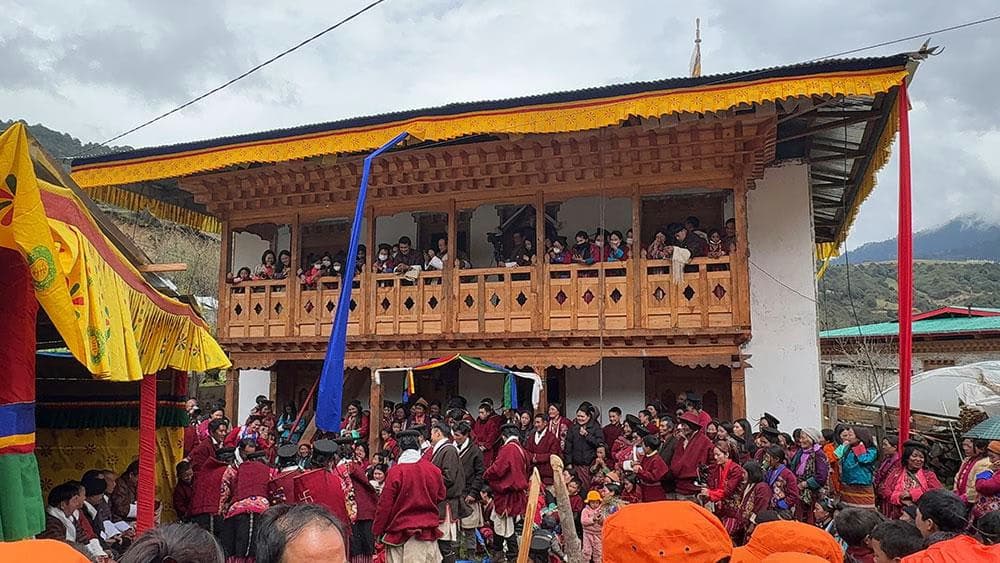
The Changing Tides of Sakteng 🌿
In the serene highlands of Sakteng, Trashigang, a quiet transformation is underway. Once isolated and steeped in tradition, Sakteng is now at the crossroads of change and modernity. As roads weave through its lush landscapes, the community finds itself grappling with the loss of age-old customs that once defined its cultural fabric.
A Community Built on Unity 🏠
Traditionally, the people of Sakteng thrived on communal labor, known as the woola system. This non-monetary exchange was the cornerstone of village life, where building a home was more than just a construction project—it was a communal celebration. Villagers would gather, working together amidst song and camaraderie. However, this intimate bond has been replaced by monetary transactions, symbolizing a shift from community to individualism.
The Decline of Traditional Practices 📜
One of the most poignant losses is the traditional marriage customs that have long been a pillar of Sakteng's identity. In the past, marriages were arranged with little to no involvement from the bride and groom, reflecting a communal decision-making process. Yet, as awareness and education spread, these practices have evolved, allowing individuals more autonomy in their marital choices.
- Traditional Weddings: Once a grand affair with dowries of livestock and land, these ceremonies have become simpler, often involving monetary gifts instead of the logistical challenge of transporting animals across the highlands.
- Inheritance Changes: Historically, daughters would leave their family assets behind upon marriage. Today, they inherit equally alongside their brothers, marking a significant shift towards gender equality.
The Cultural Erosion: A Broader Context 🌍
The changes in Sakteng reflect broader trends seen across Bhutan and beyond, as modernization and globalization reshape remote communities. The introduction of roads and technology has facilitated access to education and markets, bringing both opportunity and cultural erosion.
The Role of Festivals in Cultural Preservation 🎉
Despite these shifts, community resilience finds hope in cultural events like the Yeti Quest Festival. Such gatherings not only preserve traditions but also invite younger generations to engage with their heritage actively. These festivals could serve as critical platforms for cultural education and revival.
A Call to Action for Cultural Revitalization 🔔
As Sakteng navigates this period of transformation, the role of its youth becomes ever more crucial. By embracing both tradition and progress, they hold the power to shape a future that honors their heritage while adapting to new realities.
Key Takeaways ☑️
- Embrace Change: While modernization brings challenges, it also offers opportunities for growth and development.
- Celebrate Heritage: Festivals and cultural events are vital for keeping traditions alive.
- Inherit Equally: Gender equality in inheritance rights is a positive step forward.
In conclusion, the story of Sakteng is one of resilience and adaptation. As highland life continues to evolve, the community's ability to balance change with cultural preservation will determine the soul of Sakteng for generations to come.
You May Also Like
Culture
Sacred Heart of 108 Chortens: Bhutan's Spiritual Masterpiece
August 26, 2026
Culture
When Colour Drains From the Scene: Spiritual Gatherings in Bhutan
August 15, 2026
Culture
The Vanishing Trade of Drukor: Bhutan's Fading Cultural Exchange
August 15, 2026
Culture
Yojay: Ancient Buddhist Prayer Practice Goes Global
August 12, 2026