Category:
CultureUnderstanding the Trap of Spiritual Materialism
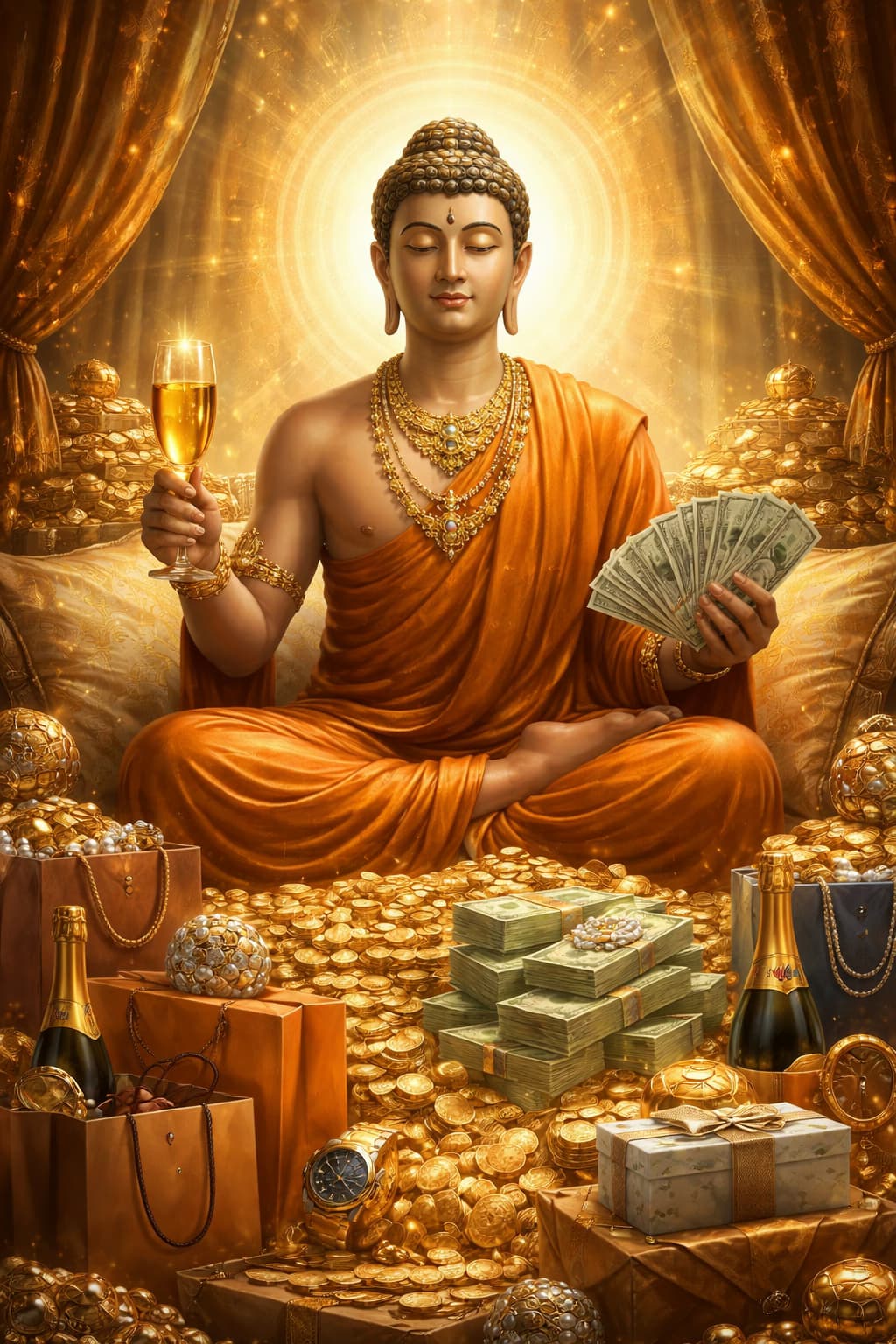
In an increasingly materialistic world, the concept of spiritual materialism offers a fascinating lens to examine our practices. Coined by Chogyam Trungpa Rinpoche, it refers to the subtle tendency to use spirituality as a means of self-enhancement rather than a path to awakening. This phenomenon is particularly relevant in today's global culture where spirituality can sometimes become just another product to consume. 🌍✨
The Origins and Meaning of Spiritual Materialism
Spiritual materialism was first articulated by Chogyam Trungpa Rinpoche to describe the ego’s cunning ability to hijack spiritual paths. Rather than dismantling the ego, individuals might use spiritual practices to reinforce it, turning spirituality into an ornament for the self. This, in turn, can subvert the true purpose of spiritual practice, which is to awaken to reality. 🧘♂️💫
Historical Context
Historically, the concept arose during a time when Eastern spiritual teachings were gaining popularity in the West. The blending of these teachings with Western consumerism created a fertile ground for spiritual materialism to take root. For many, practices intended to transcend the self became a means of avoiding discomfort and dissatisfaction. 🔄
Recognizing Spiritual Materialism in Modern Practice
In contemporary settings, spiritual materialism manifests in various forms. From collecting spiritual paraphernalia to posting photos with spiritual leaders on social media, the focus can easily shift from genuine practice to self-branding. Let’s explore how this manifests:
- Status Seeking: Using spiritual achievements as badges of honor rather than steps towards enlightenment.
- Escapism: Turning to spirituality as a means to escape worldly discomforts rather than confronting them.
- Self-Indulgence: Justifying harmful behaviors under the guise of spiritual wisdom.
The Consequences of Spiritual Materialism
The pitfalls of spiritual materialism are significant. It leads practitioners away from the authentic path of awakening, instead binding them more tightly to the illusions of ego and identity. This can result in a superficial engagement with spirituality, where the true insights and transformations remain elusive. 🌟
Cultural Implications
In Bhutan, a country steeped in Vajrayana Buddhism, the risks of spiritual materialism are particularly poignant. The national embrace of spiritual teachings sometimes clashes with increasing modernization and consumerism. The challenge is to maintain authentic practices amidst these influences. 📿
Moving Beyond Spiritual Materialism
To move beyond this trap, practitioners are encouraged to engage in introspection and mindfulness, examining their motivations and intentions. Key practices include:
- The Four Thoughts That Turn the Mind: Reflecting on the preciousness of human life, the inevitability of death, the causes of suffering, and the importance of action.
- Mindful Practice: Regular meditation and self-inquiry to keep motivations pure.
- Community Engagement: Participating in community services rather than isolating oneself in the pursuit of personal spiritual gains.
Practical Steps
- Examine Intentions: Before engaging in spiritual activities, ask: Is this for self-promotion or genuine transformation?
- Live the Teachings: Apply spiritual insights in daily life, not just during practice sessions.
- Seek Feedback: Engage with mentors and peers who can provide honest feedback on one’s spiritual journey.
Conclusion: Towards Authentic Spirituality 🌈
Avoiding the trap of spiritual materialism requires a conscious commitment to authenticity and humility. By focusing on genuine transformation and the benefit of all beings, practitioners can harness the true power of spiritual teachings. As Chögyam Trungpa Rinpoche advised, embracing ordinariness and accepting imperfections can transform these challenges into steps on the path to enlightenment. Let us strive for a spirituality that enriches our lives and those around us. 🌟
In a world where spiritual paths are ever more accessible yet fraught with distractions, the journey towards authentic spirituality is both a challenge and an opportunity. Embrace it with awareness and intention.
You May Also Like
Culture
Sacred Heart of 108 Chortens: Bhutan's Spiritual Masterpiece
August 26, 2026
Culture
When Colour Drains From the Scene: Spiritual Gatherings in Bhutan
August 15, 2026

Culture
The Vanishing Trade of Drukor: Bhutan's Fading Cultural Exchange
August 15, 2026
Culture
Yojay: Ancient Buddhist Prayer Practice Goes Global
August 12, 2026