Category:
PoliticsTwo Cabinet Ministers Resign: What This Means for Bhutan
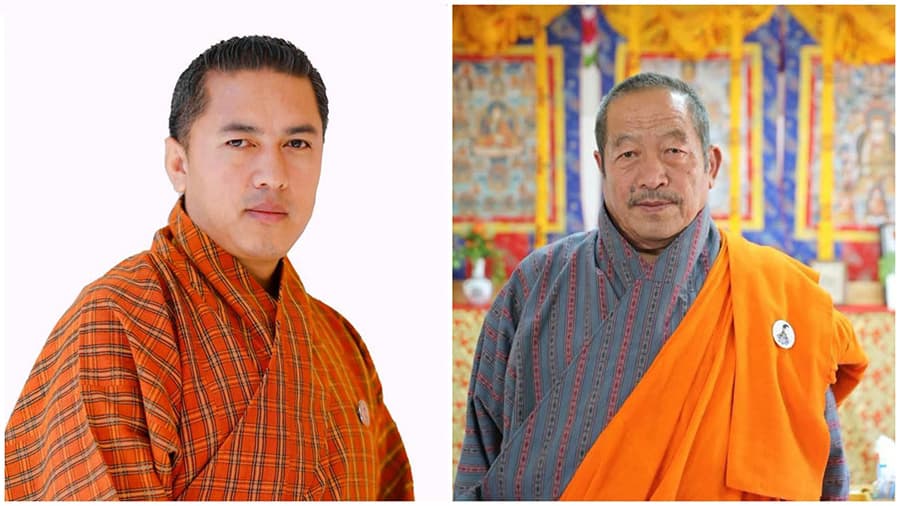
🔄 High-Profile Cabinet Resignations Shake Bhutanese Government
In a significant development that underscores the evolving dynamics of Bhutanese governance, two prominent cabinet ministers have stepped down from their ministerial positions. The Minister for Home Affairs Tshering and the Minister for Energy and Natural Resources Gem Tshering have both voluntarily resigned from their portfolios, marking an important moment in the nation's political landscape. 🏛️
These resignations represent a noteworthy instance of ministerial accountability and institutional integrity within Bhutan's relatively young democratic framework. Both ministers will retain their positions as Members of Parliament, ensuring continuity in legislative representation while transitioning out of executive responsibilities.
Understanding the Resignation Landscape 📋
Minister Tshering's Moral Stand
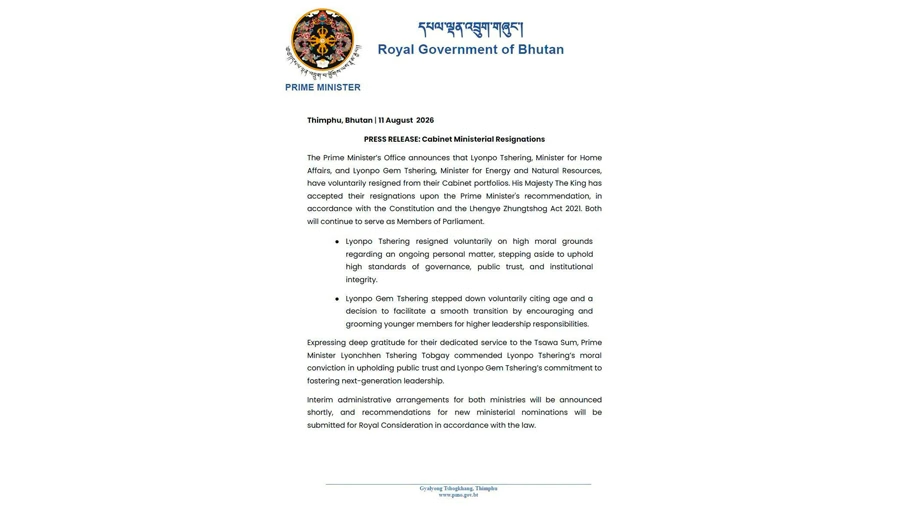
The Home Affairs Minister cited high moral grounds as the primary reason for his departure, specifically referencing an ongoing personal matter that required his immediate attention. In statements to national media, he emphasized that stepping aside was the appropriate course of action to uphold the stringent standards of governance, public trust, and institutional integrity that define Bhutan's democratic institutions.
Tshering revealed that he had been subjected to sustained anonymous attacks and unsubstantiated accusations circulating across various social media platforms concerning his personal life. These posts, which he noted had tagged both national and international agencies, created a situation where he felt compelled to act decisively. His primary concern centered on the potential reputational impact such allegations could have on the nation's image at both domestic and international levels.
This decision reflects a broader principle within modern democracies: the expectation that public officials maintain exemplary standards of conduct and demonstrate willingness to sacrifice personal position for institutional credibility. 🎯
Minister Gem Tshering's Succession Strategy
The Energy and Natural Resources Minister took a different approach, citing his age—67 years old—as the determining factor in his decision to step down. Rather than viewing his resignation as a forced departure, Gem Tshering framed it as a strategic move to facilitate smoother institutional transitions and organizational development.
His stated objective was to create space for younger, emerging leaders within the government to assume greater responsibilities and develop the experience necessary for senior leadership positions. This approach reflects contemporary thinking about succession planning and generational renewal in governmental structures. 🌱
The Energy sector holds particular significance for Bhutan's economic development and regional positioning, making the transition in this ministry particularly noteworthy for stakeholders in the hydropower and renewable energy industries.
The Legal Framework Governing Cabinet Resignations ⚖️
Bhutan's constitutional and legislative framework provides clear procedures for ministerial transitions. The Lhengye Zhungtshog Act 2021 establishes specific protocols that govern such resignations, ensuring orderly succession and maintaining governmental continuity.
Section 12 Provisions
According to Section 12 of the Lhengye Zhungtshog Act 2021, Cabinet members seeking to resign before the completion of their term must:
- Submit written resignation to the Prime Minister
- Provide advance notice of at least 30 days
- Obtain acceptance from His Majesty The King (the Druk Gyalpo)
This formal process ensures that resignations are not impulsive decisions but rather carefully considered moves subject to constitutional oversight. The requirement for royal acceptance adds an additional layer of institutional scrutiny, reflecting Bhutan's unique constitutional monarchy framework. 👑
Cabinet Vacancy Procedures
The legislation mandates that any vacancy created within the Cabinet must be filled within a 30-day window. This timeframe prevents extended periods of ministerial vacuums that could compromise governmental effectiveness or create administrative bottlenecks.
Under Article 17 of the Constitution and Section 16 of the Lhengye Zhungtshog Act 2021, the Druk Gyalpo appoints new Ministers exclusively from among members of the National Assembly, and only upon the formal recommendation of the Prime Minister. This ensures that all ministerial appointments maintain parliamentary representation and democratic legitimacy. 🗳️
Interim Arrangements and Succession Planning 🔧
Following the acceptance of both resignations by His Majesty The King, the Prime Minister's Office announced that interim administrative arrangements for the Home Affairs and Energy and Natural Resources ministries would be announced in due course.
These temporary measures ensure that critical governmental functions continue uninterrupted during the transition period. The Home Affairs Ministry, responsible for internal security, public administration, and governance matters, requires seamless operational continuity. Similarly, the Energy and Natural Resources Ministry, which oversees Bhutan's vital hydropower sector and environmental management, cannot afford service disruptions.
The Prime Minister's Office further indicated that formal recommendations for new ministerial nominees would be submitted for Royal Consideration in accordance with constitutional and legislative requirements. This process typically involves consultation with relevant stakeholders, assessment of candidate qualifications, and consideration of political balance within the Cabinet. 📊
What This Means for Bhutan's Governance 🌍
These resignations illustrate several important principles about Bhutan's maturing democratic institutions:
Institutional Accountability: The willingness of senior officials to resign demonstrates that public service in Bhutan carries meaningful expectations regarding personal conduct and institutional representation. Officials cannot simply weather controversies; they must actively protect governmental credibility.
Generational Renewal: Minister Gem Tshering's emphasis on creating opportunities for younger leaders reflects strategic thinking about long-term institutional health. Governments that fail to develop emerging talent risk stagnation and reduced effectiveness.
Constitutional Adherence: The formal processes outlined in the Lhengye Zhungtshog Act demonstrate Bhutan's commitment to rule-based governance rather than ad-hoc decision-making. Even high-profile resignations follow established procedures. 📜
Looking Forward: Implications for Key Sectors 🔮
The transition in the Energy and Natural Resources Ministry carries particular significance given Bhutan's strategic focus on hydropower development and renewable energy expansion. This sector represents a critical pillar of national economic strategy and regional cooperation.
Meanwhile, the Home Affairs portfolio touches nearly every aspect of domestic governance, from security operations to administrative reform. The incoming minister will inherit ongoing initiatives and must maintain public confidence in governmental institutions.
Both ministries will benefit from the transition period to reassess priorities, strengthen institutional processes, and implement any necessary operational improvements. 💡
Key Takeaways 🎯
The resignation of these two cabinet ministers represents a significant moment in Bhutanese governance, demonstrating:
- The strength of institutional frameworks that enable orderly ministerial transitions
- The importance of personal accountability in public service
- Strategic planning for generational leadership development
- The constitutional monarchy's active role in maintaining governmental integrity
As Bhutan continues to strengthen its democratic institutions, such transitions—handled transparently and according to established procedures—contribute to long-term governmental credibility and public trust. The nation's ability to manage these changes smoothly will serve as an important indicator of institutional maturity. 🌟
The coming weeks will reveal who assumes these critical ministerial responsibilities and how the government addresses the priorities of the Home Affairs and Energy sectors. Citizens and international observers will be watching closely to see whether the transition strengthens or challenges Bhutan's governance framework.
You May Also Like
Politics
Bhutan Launches Four Voter Participation Initiatives for LG Elections
September 16, 2026
Politics
Women in Politics: Breaking Through Barriers Before Election Day
September 15, 2026
Politics
Women Leaders Training: Preparing for 2027 Local Elections
August 31, 2026
Politics
Speaker Election: Constitutional Duty Over Party Loyalty
August 29, 2026