Category:
EconomyTrongsa's 10-Minute Economy: Capitalizing on Transit Traffic
Transforming Transit into Opportunity 🚗✨
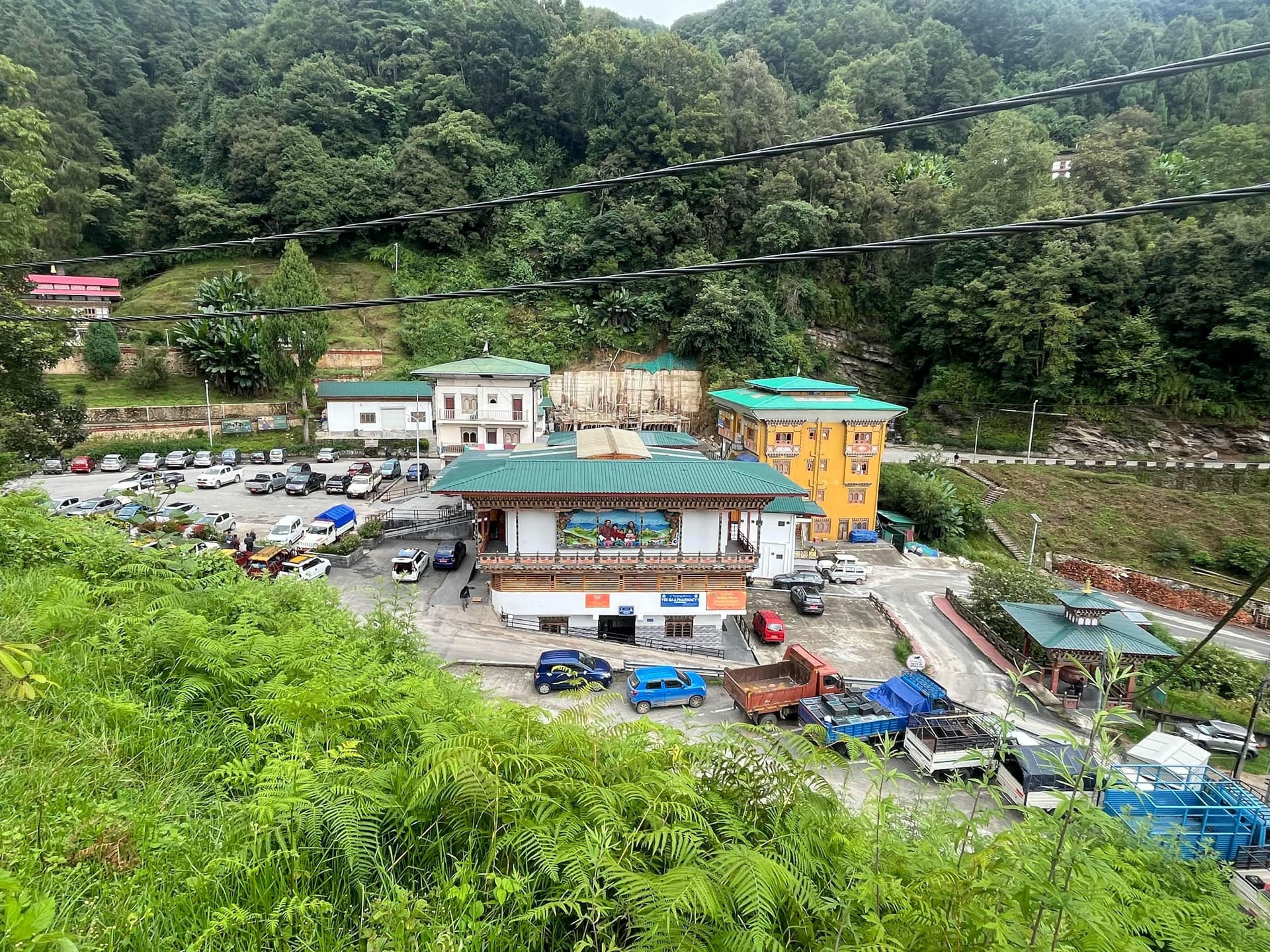
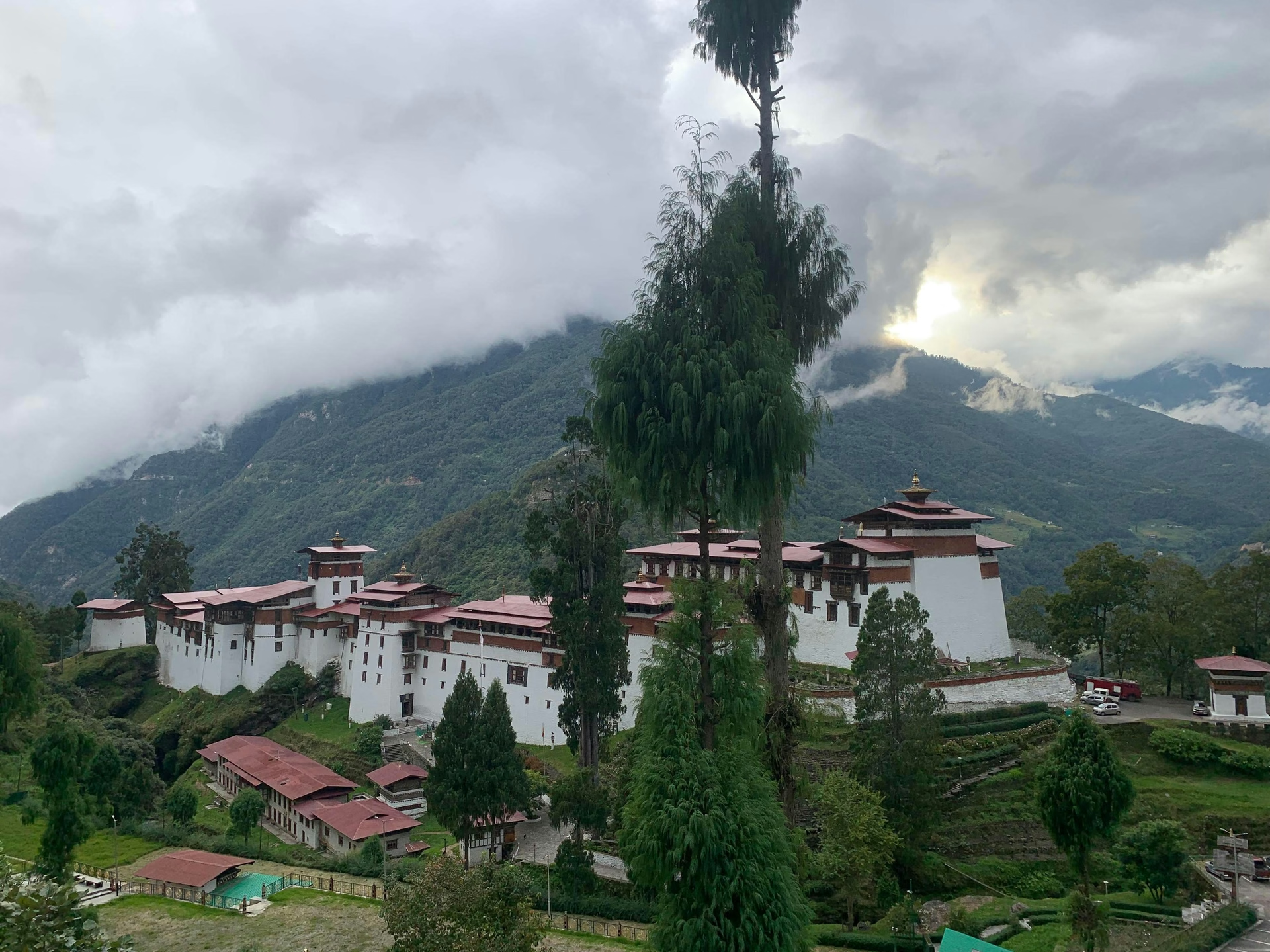
Every single day, hundreds of vehicles traverse through Trongsa as travelers navigate between Bhutan's eastern, southern, and western regions. These journeys typically include brief pauses—a restroom break, a cup of steaming tea, perhaps a quick snapshot of the iconic Chhoetse Dzong—before continuing onward. But what if those fleeting moments could become catalysts for meaningful economic growth?
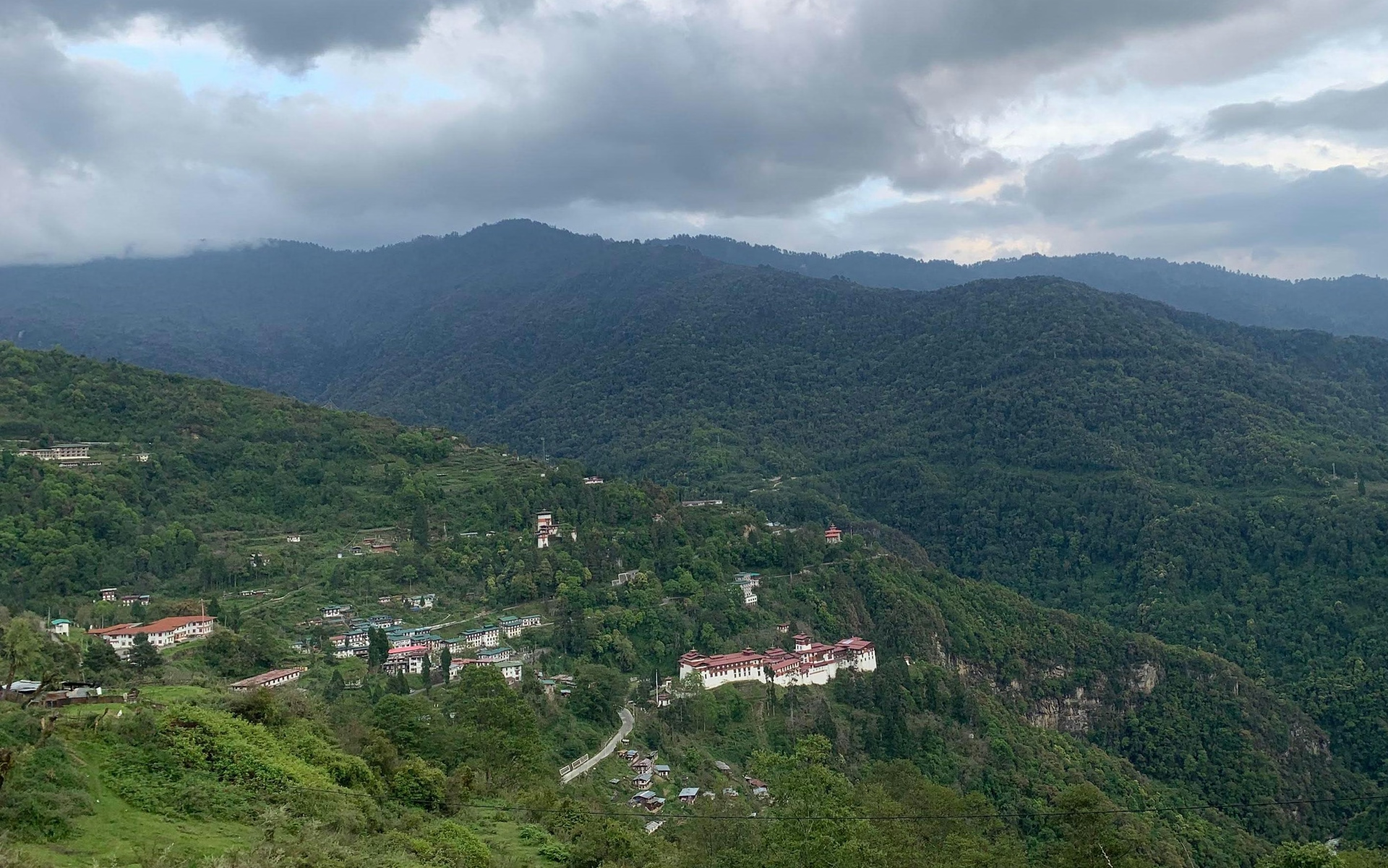
Trongsa's dzongkhag administration is reimagining transit traffic through an innovative framework known as the 10-Minute Economy. This forward-thinking initiative represents a paradigm shift in how regional economies can leverage their geographical advantages. Rather than pursuing traditional tourism strategies focused on overnight stays, Trongsa is betting on maximizing the value of every passing minute.
The Strategic Vision Behind 10-Minute Economy 🎯
Dzongdag Wangdi Gyeltshen's vision for this concept emerged from a fundamental recognition: Trongsa occupies a unique geographical position at the nation's center. This strategic location means virtually every vehicle traveling between eastern and western Bhutan must pass through the dzongkhag—a natural advantage that has remained largely untapped.
The administration's perspective represents a refreshing departure from conventional tourism thinking. Instead of viewing short stopovers as a limitation, officials recognize them as untapped economic potential. "If every traveller spends even a small amount on local food, crafts, or services, the cumulative impact on the local economy could be significant," dzongkhag representatives explain.
This philosophy acknowledges a market reality: not all travelers have time for extended stays, but most have 10 minutes to spare. The initiative capitalizes on this window by ensuring everything visitors need—quality products, memorable experiences, and practical services—remains accessible within that timeframe.
What Makes 10 Minutes Count? ⏱️
The core principle driving this economy is accessibility. The dzongkhag has identified specific categories of offerings that appeal to time-constrained travelers:
Food & Beverage Solutions
- Ready-to-eat local specialties like buckwheat cookies and dried fruits
- Herbal teas and traditional butter tea in convenient formats
- Travel-friendly momo packaging for on-the-go consumption
- Locally sourced ingredients prepared for quick purchase
Curated Shopping Experiences
- Locally crafted keychains and postcards priced for impulse buying
- Prayer flags and handmade handicrafts
- Artisanal products from women's cooperatives
- Souvenirs that tell Trongsa's cultural story
Cultural Engagement
- Designated photography points with optimal views of Chhoetse Dzong
- Interactive storytelling kiosks featuring QR-coded audio guides
- Brief cultural performances by local youth groups
- Quick immersive experiences that capture Trongsa's essence
Practical Services for the Modern Traveler 🛠️
Beyond retail and cultural offerings, the initiative addresses essential traveler needs through service-based businesses:
- Professional public facilities maintained to international standards
- Vehicle maintenance services including tire inflation and quick checks
- Rest areas designed for comfortable brief respites
- Technology-enabled ordering allowing online purchases for later delivery
These services create employment opportunities for local entrepreneurs while solving genuine traveler pain points. A professional tire inflation service, for instance, addresses a practical need while generating income for local operators.
Building an Ecosystem of Economic Opportunity 💼
The 10-Minute Economy concept extends benefits across multiple community segments. Farmers gain market access for ingredient supply chains. Women's groups find consistent demand for handicrafts. Youth entrepreneurs can establish technology-driven businesses and food service operations. Local drivers transition into formal service providers with professional standards.
This inclusive approach ensures economic benefits distribute throughout Trongsa's communities rather than concentrating among a select few businesses. The model recognizes that sustainable economic growth requires broad-based participation.
Strategic Zone Development & Infrastructure 🏗️
To operationalize this vision, the dzongkhag administration plans establishing dedicated "10-Minute Economy Zones" positioned at major stopping points. These zones feature:
- Standardized branding creating visual coherence
- Clear signage guiding travelers to offerings
- Professional parking facilities
- Organized layouts maximizing the 10-minute browsing experience
This infrastructure development transforms what might otherwise be chaotic roadside commerce into a professional, branded experience that reflects positively on both Trongsa and Bhutan's tourism standards.
The East-West Highway Corridor Strategy 🛣️
Ambition extends beyond Trongsa town itself. The administration envisions a network of themed roadside experiences distributed along the East-West Highway, creating multiple reasons for travelers to pause:
Chendebji Gateway - Offering village experiences, traditional meals, and visits to the historic Chendebji Choeten, this stop introduces travelers to Trongsa's cultural heritage.
Tangsibji Experience - Showcasing the holy spring, traditional arts school, and local products, this location emphasizes spiritual and artistic dimensions.
Thumang Drak Scenic Stop - Positioned as a scenic viewpoint with café services, appealing to travelers seeking photo opportunities and refreshment.
Additional Strategic Locations - Bjee Zam for dairy products, Yangkhil and Yotongla for café services, Threepang for local cuisine and markets, Kewathang for vehicle services, and Dorji Goenpa and Shobjapang for picnic areas.
This distributed approach encourages multiple pauses throughout the journey, transforming a single 10-minute stop into several shorter experiences that cumulatively extend engagement and spending.
Implementation & Partnership Strategy 📋
The dzongkhag administration has adopted a measured, pilot-based rollout approach. Initial phases will focus on establishing a few quick-service hubs, allowing for operational refinement before broader expansion. This methodology reduces implementation risk while generating valuable learnings.
Success depends on coordinated partnerships involving:
- Government agencies providing regulatory support
- Tourism stakeholders offering expertise and market connections
- Local cooperatives ensuring community benefit distribution
- Private entrepreneurs bringing operational efficiency
This collaborative framework balances public interest with private enterprise incentives, creating sustainable business models.
Economic Impact Potential 📊
While still in conceptual phases, the economic implications appear substantial. Consider that hundreds of daily vehicles represent hundreds of potential transactions. If even 50% of travelers spend Nu. 200-500 during a 10-minute stop, daily revenue could exceed Nu. 50,000-75,000. Annually, this translates to significant economic activity supporting local employment, agricultural markets, and artisan livelihoods.
Moreover, the model generates multiplier effects. Money spent on local food supports farmers and suppliers. Purchases of handicrafts sustain artisans and their families. Vehicle services employ local mechanics and entrepreneurs. The economic impact reverberates throughout Trongsa's economy.
Lessons for Bhutan's Tourism Strategy 🌏
Trongsa's 10-Minute Economy initiative offers valuable lessons for Bhutan's broader tourism development. The nation has traditionally emphasized high-value, low-impact tourism through the Gross National Happiness framework. This initiative demonstrates that sustainable tourism doesn't require lengthy stays or massive infrastructure investments.
Instead, strategic positioning, quality offerings, and professional management can generate meaningful economic returns from brief encounters. This model proves particularly relevant for locations along major transit corridors—a feature many Bhutanese dzongkhags share.
Creating Memorable Moments 🌟
Ultimately, the 10-Minute Economy succeeds only if it creates memorable experiences. The dzongkhag's stated objective captures this perfectly: "If we can make those 10 minutes memorable, travellers will leave with an experience of Trongsa rather than simply passing through."
This philosophy transforms a utilitarian pause into an opportunity for cultural exchange, economic participation, and positive impressions. Travelers depart not merely having used facilities but having engaged with Trongsa's communities, products, and character.
Looking Forward: The Roadmap Ahead 🚀
As Trongsa prepares to pilot this initiative, the dzongkhag faces both opportunities and challenges. Operational consistency, quality standards, and equitable benefit distribution will determine long-term success. However, the conceptual framework appears sound, addressing genuine market needs while supporting local economic development.
The initiative also positions Trongsa as an innovator within Bhutan's economic landscape. Success here could inspire similar programs in other dzongkhags, creating a network of strategic economic zones throughout the nation. This ripple effect could significantly enhance Bhutan's ability to generate tourism revenue while maintaining its commitment to sustainable, community-centered development.
Key Takeaways 💡
Trongsa's 10-Minute Economy represents a creative response to geographic advantage and market realities. By recognizing that brief stops offer genuine economic opportunity, the dzongkhag is pioneering an approach that benefits travelers, local communities, and Bhutan's tourism sector simultaneously. As implementation proceeds, this initiative will demonstrate whether carefully designed, community-focused economic strategies can transform transit traffic into lasting prosperity.
You May Also Like
Economy
Fixed Deposit Tax Withholding: What You Need to Know
September 13, 2026
Economy
DRC's QR Payment Innovation: Tracking Business Income
September 2, 2026
Economy
Single Mother Transforms Life Through Beekeeping in Bhutan
August 31, 2026
Economy
Natural Resources: Turning Ore into National Opportunity
August 29, 2026