Category:
EconomyBhutan's Ferroalloy Crisis: Raw Material Shortage Threatens Industrial Growth
The Challenge Facing Bhutan's Industrial Sector 🏭
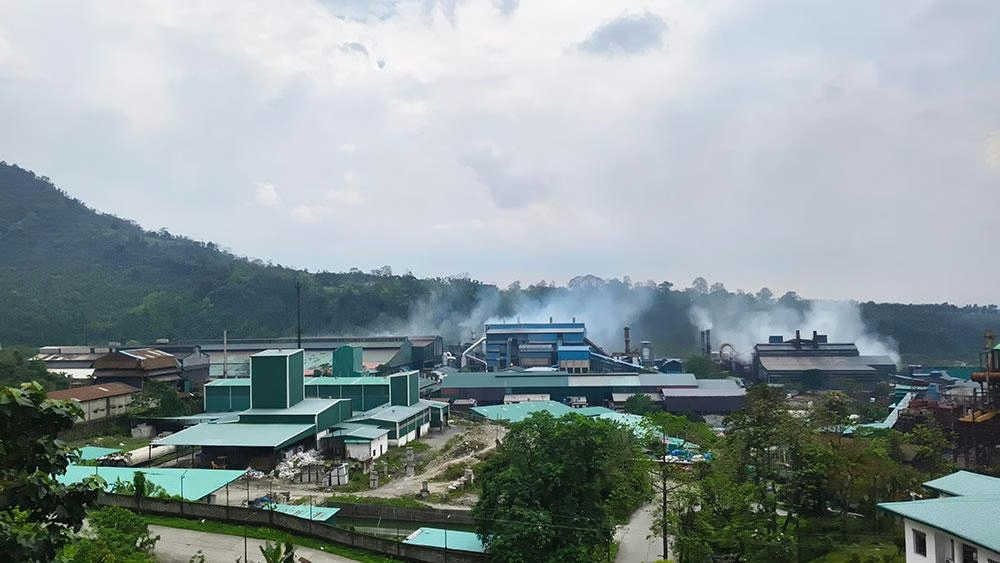
Bhutan's manufacturing landscape is experiencing significant disruption as transit restrictions imposed by West Bengal authorities have created a critical raw material shortage affecting the nation's ferroalloy producers. Since mid-September, the movement of low-ash metallurgical coke—a processed carbon material essential for ferroalloy production—has faced unprecedented delays at key border checkpoints, threatening the operational viability of factories across the country.
The ferroalloy industry represents a cornerstone of Bhutan's manufacturing base, particularly in regions like Samtse and Pasakha in Chukha district. These industrial hubs have historically served as engines of economic growth and employment, but the current supply chain disruption has forced manufacturers to confront a stark reality: without immediate intervention, production capabilities could face severe contraction.
Understanding the Supply Chain Bottleneck 📊
The disruption centers on three critical border checkpoints—Chagolia, Srirampur, and Bakshirhat—where consignments of low-ash metallurgical coke face extended processing delays. This material, sourced primarily from Meghalaya and Assam, travels through West Bengal to reach Bhutanese manufacturers who depend on it as a reducing agent in ferrosilicon and other ferroalloy production processes.
What complicates the situation is a fundamental misclassification issue. Low-ash metallurgical coke, despite being processed from coal, possesses distinct characteristics that differentiate it from raw coal. The refining process and industrial applications are entirely different, yet West Bengal authorities have been treating these consignments under raw coal movement restrictions. This regulatory confusion has created a bureaucratic maze that importers and manufacturers struggle to navigate.
The consequences have been immediate and severe. Factory officials report that stocks have been completely depleted, forcing them to seek expensive alternatives to maintain minimal operations. One ferroalloy plant representative disclosed that their facility had exhausted its coke reserves and was relying on semi-coke—a costlier substitute—just to keep basic production running.
The Economic Impact on Manufacturers 💰
The shift to alternative materials has dramatically altered the financial calculations for Bhutanese ferroalloy producers. Semi-coke and other substitutes command premium prices in the market, effectively increasing production costs across the board. For manufacturers already operating within tight margins, this cost escalation threatens profitability and sustainability.
Beyond immediate financial concerns, the shortage has forced production slowdowns that ripple through the entire supply chain. Reduced output means:
- Lower revenues for manufacturing facilities
- Reduced demand for ancillary services and suppliers
- Employment pressures as factories may reduce working hours or workforce
- Decreased competitiveness in regional and international markets
- Delayed order fulfillment for existing contracts
The ferroalloy industry's challenges extend beyond factory gates. Suppliers who provide equipment, maintenance services, and logistics support face reduced business activity. Workers employed directly and indirectly in the sector face uncertain employment prospects. Communities dependent on these industries experience economic stress as local spending power diminishes.
Alternative Routes and Failed Solutions 🛣️
Industry representatives have explored multiple workarounds to circumvent the transit restrictions, but each avenue has proven ineffective. Initial attempts to reroute consignments through Gelephu offered temporary hope but ultimately proved unviable due to logistical constraints and additional regulatory hurdles.
Importers also attempted to bring consignments through Samdrupjongkhar under transit arrangement protocols, believing this alternative corridor might bypass the West Bengal restrictions. These efforts, however, have been unsuccessful, leaving manufacturers with dwindling options and mounting frustration.
The failure of alternative routes underscores a critical reality: Bhutan's geographic position and dependence on transit through Indian territory create inherent vulnerabilities in supply chain security. Without direct access to raw material sources, the nation's manufacturing sector remains susceptible to disruptions beyond its control.
Industry Seeks Government Intervention 🤝
Facing the prospect of extended production halts and financial losses, the Association of Bhutanese Industries formally escalated the matter to government authorities. In October, ABI submitted a comprehensive letter to the Department of Trade, requesting urgent diplomatic intervention to resolve the transit crisis.
The association's appeal emphasized several key points:
- Low-ash metallurgical coke should be recognized as a processed industrial material, distinct from raw coal
- Consignments accompanied by valid commercial and transportation documentation should receive unimpeded passage
- The material is intended for legitimate industrial applications within Bhutan, not for transshipment or illicit purposes
- Government-to-government engagement through diplomatic channels is necessary to resolve the classification and movement issues
ABI's approach demonstrates the complexity of modern supply chain challenges, where regulatory interpretation and bureaucratic classification can have profound economic consequences. The association's request for formal clearance mechanisms suggests that establishing transparent, standardized procedures could prevent future disruptions.
The Broader Context of Industrial Trade 🌍
Bhutan's ferroalloy sector operates within a complex regional trade environment. The nation's manufacturing capabilities depend heavily on imported raw materials, processed through transit routes controlled by neighboring states. This structural reality means that regulatory changes in transit countries can have immediate, severe impacts on Bhutanese industrial operations.
The low-ash metallurgical coke shortage reflects broader challenges in cross-border trade within South Asia. Regulatory harmonization, standardized classification systems, and pre-established transit agreements remain underdeveloped in many bilateral relationships. When disputes arise—whether over material classification, environmental concerns, or other regulatory matters—manufacturers become caught in the middle of governmental processes.
Historically, Bhutan has maintained strong diplomatic relationships with India, and these ties have generally facilitated smooth commercial transactions. However, the current situation suggests that routine administrative procedures and regulatory interpretations may not always align with commercial realities and industrial needs.
Production Constraints and Market Implications 📉
The ferroalloy industry's production slowdown has implications extending beyond immediate financial losses. Bhutanese manufacturers who supply regional and international markets may face order cancellations or penalties for delayed deliveries. Long-term contracts could be jeopardized if production cannot resume within specified timeframes.
For ferrosilicon and other ferroalloy products, market demand remains robust in steel manufacturing, automotive, and electronics sectors. The shortage therefore represents a missed opportunity for Bhutanese producers to capture market share and generate export revenues. Competitors in other countries may capitalize on Bhutanese suppliers' inability to fulfill orders, potentially resulting in permanent loss of market positions.
The cost implications of using substitute materials also affect product competitiveness. If manufacturers must increase prices to compensate for higher raw material costs, they risk losing price-sensitive customers to competitors operating under normal supply conditions.
The Path Forward 🚀
Resolving the raw material shortage requires coordinated action across multiple levels. At the diplomatic level, Bhutanese government authorities must engage Indian counterparts—particularly West Bengal officials—to clarify the regulatory status of low-ash metallurgical coke and establish expedited clearance procedures for consignments with proper documentation.
Technical discussions between relevant agencies could establish clear protocols for material classification, testing procedures, and documentation requirements. Such agreements would provide certainty for both importers and border authorities, reducing processing delays and administrative confusion.
For manufacturers, the immediate priority is stabilizing operations through whatever means available while awaiting resolution of the transit issue. This may involve negotiating long-term supply agreements with alternative material providers or exploring production adjustments that minimize costs while maintaining market presence.
Industry associations like ABI play a crucial advocacy role, ensuring that government decision-makers understand the economic stakes and urgency of the situation. Continued engagement with trade departments and diplomatic channels will be essential as negotiations progress.
Conclusion: Building Resilient Supply Chains 🎯
The raw material shortage confronting Bhutan's ferroalloy industry illuminates vulnerabilities in supply chain resilience and the importance of clear regulatory frameworks in cross-border trade. While the immediate crisis requires urgent diplomatic intervention, the longer-term challenge involves building more robust, diversified supply chains less susceptible to single-point disruptions.
Bhutan's manufacturing sector has demonstrated remarkable growth and capability, but sustained development requires stable access to essential raw materials. Government intervention to resolve the current transit restrictions is imperative, but equally important is establishing durable frameworks that prevent similar crises in the future.
As negotiations continue between Bhutanese and Indian authorities, manufacturers await clarity on when normal supply flows will resume. Until then, the ferroalloy industry will continue operating under constraints, absorbing costs and managing production at reduced capacity—a situation that underscores how global supply chains remain vulnerable to regulatory changes and administrative processes beyond individual manufacturers' control.
You May Also Like
Economy
Turning Brain Drain into Brain Gain: Bhutan's Economic Opportunity
October 28, 2026
Economy
Government Fleet Auction Raises Nu 110.8M as EV Transition Begins
October 28, 2026

Economy
Asia Visionary Summit: 100+ Business Leaders Shape Economic Future
October 28, 2026
Economy
Gelephu Businesses Prepare for 108 Stupas Event
October 27, 2026