Category:
EconomyTrashiyangtse's Economic Decline: Challenges and Revival Efforts
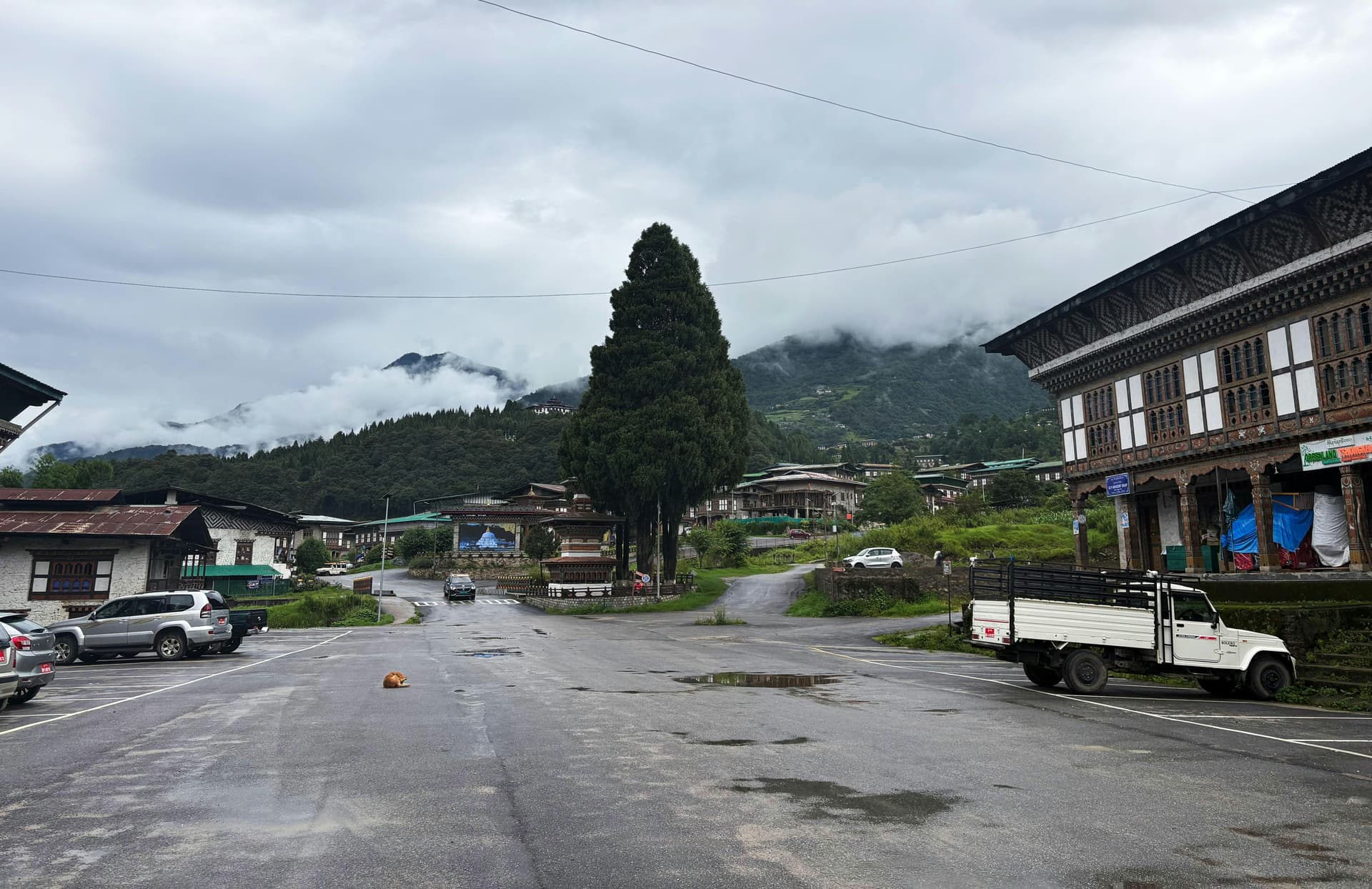
Eastern Bhutan's Hidden Gem Faces Unprecedented Economic Headwinds 🌍
Nestled in the easternmost reaches of Bhutan, Trashiyangtse represents a paradox of modern development—a region blessed with extraordinary natural beauty, cultural richness, and untapped tourism potential, yet struggling with an economic slowdown that threatens its future. Once vibrant with commercial activity and community engagement, this remote dzongkhag is experiencing a gradual erosion of its economic vitality, presenting both urgent challenges and compelling opportunities for revitalization.
The town's decline is not merely anecdotal; it is grounded in concrete demographic data that paints a sobering picture. Over the past three years, Trashiyangtse has experienced a net population loss of more than 400 residents, declining from 16,578 in 2023 to 16,152 as of the current period. This downward trajectory, while interrupted by a brief uptick to 16,305 in 2025, signals a concerning trend of residents abandoning the region in search of better opportunities elsewhere.
The Geographic Isolation Factor 📍
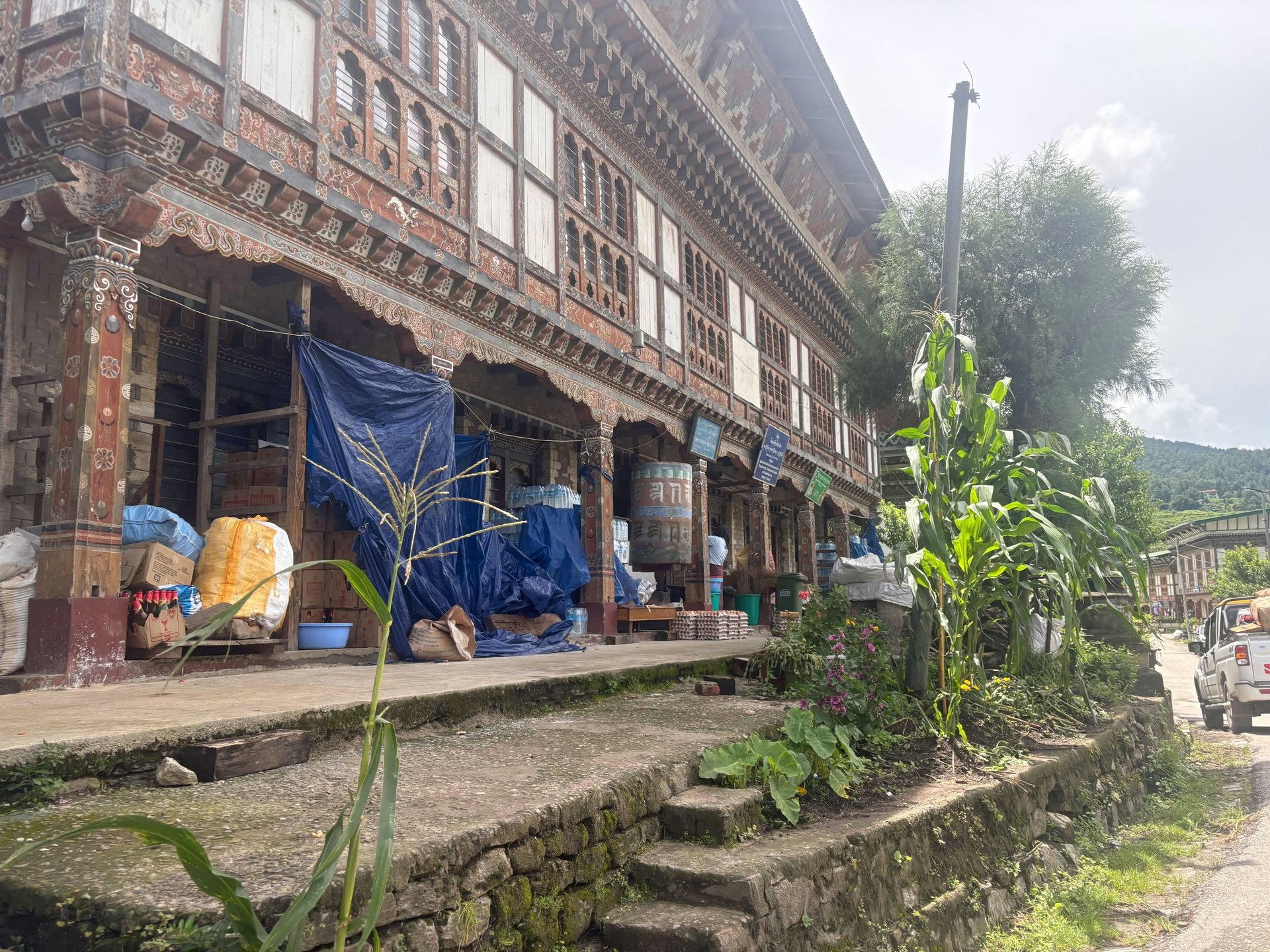
One of the most significant obstacles impeding Trashiyangtse's economic growth is its geographical isolation. Serving as a terminal destination in eastern Bhutan, the dzongkhag lacks direct highway connections to neighboring administrative regions, creating a bottleneck for commerce, tourism, and human movement. This isolation fundamentally limits the region's ability to attract external investment, draw visitors from other parts of the country, and facilitate the free flow of goods and services.
The practical implications are severe. Local businesses primarily serve residents from the two upper gewogs—Bumdeling and Yangtse—who visit for essential purchases and services. Beyond these immediate communities, customer inflow remains negligible, leaving merchants dependent on a narrow, shrinking customer base. This structural disadvantage has transformed what should be a thriving commercial hub into a subsistence-level marketplace where survival, rather than growth, dominates business strategy.
Vacant Households: A Demographic Crisis 🏚️
The phenomenon of empty households, locally known as goongtongs, has emerged as a stark indicator of Trashiyangtse's demographic challenges. According to data from the Department of Local Governance and Disaster Management, the dzongkhag recorded 804 empty households in 2024, a figure that increased to 813 in 2025. Most alarmingly, Yalang Gewog reported the highest concentration at 157 vacant homes, suggesting that rural-to-urban migration is unevenly distributed across the region, with certain areas experiencing more severe population hemorrhaging than others.
These vacant properties represent more than mere statistics—they symbolize abandoned dreams, lost livelihoods, and communities in transition. Each empty household reflects a family's decision to relocate, typically toward urban centers offering superior employment prospects, educational facilities, and healthcare services.
Business Owners Struggle Against Economic Tide 💼
The human dimension of Trashiyangtse's economic decline becomes evident through the experiences of local entrepreneurs. Kezang Euden, a 38-year-old shopkeeper, describes a sobering reality: on ordinary days, she receives merely one or two customers. Her inventory, accumulated since the shop's opening, gathers dust on shelves—a physical manifestation of depressed demand. The only respite comes during school vacations when students purchase clothing, providing temporary relief from the relentless commercial drought.
For Tshering Dema, whose clothing store has operated for over two decades, the decline has been particularly dramatic. She recalls a time when hydropower project staff comprised a substantial portion of her customer base, generating approximately 70 percent of her footfall. Following the relocation of the Khorlochhu Hydropower Project's head office to Doksum, her customer traffic plummeted to barely 40 percent—a devastating 43 percent reduction that threatens her ability to sustain operations.
Another entrepreneur, who has maintained a business for six years, reported that daily profits have nosedived from approximately Nu 50,000 to merely Nu 20,000—a 60 percent collapse in revenue. With monthly rent obligations and family expenses looming, such merchants face an increasingly precarious financial situation.
The Hospitality Sector's Quiet Crisis 🏨
The hospitality industry mirrors these broader economic struggles. Manju Rai, a 33-year-old hotelier and restaurant operator, confronts the harsh reality of guest rooms remaining empty for extended periods. While visitor numbers spike temporarily during significant religious occasions—particularly Chorten Kora Nye and local festivals—the intervening months present a revenue desert.
The seasonal nature of tourism in Trashiyangtse creates structural inefficiencies. Hotels must maintain fixed costs regardless of occupancy rates, while relying on concentrated periods of religious observance and cultural celebrations to generate sufficient income. This feast-or-famine economic cycle makes long-term planning and sustainable growth virtually impossible.
A Glimmer of Adaptation and Innovation ✨
Yet not all entrepreneurs have surrendered to prevailing economic currents. Kinzang Dema, a 24-year-old who launched her retail business two years ago alongside her husband, demonstrates that success remains achievable through strategic adaptation. Despite the constrained local market, she has managed to cover rent and basic expenses by cultivating a loyal customer base and leveraging pilgrimage seasons for additional revenue.
Similarly, Tashi Phuntsho, a 35-year-old bakery owner, has innovated beyond traditional retail models. Recognizing the limitations of direct consumer sales, he has developed a wholesale strategy, supplying baked goods to other local shops. While his net monthly profit of Nu 4,000 to Nu 5,000 struggles against a monthly rent of Nu 15,000, this diversification strategy demonstrates entrepreneurial resilience and creative problem-solving in constrained circumstances.
Root Causes and Contributing Factors 🔍
Dzongkhag officials have identified the relocation of the Khorlochhu Hydropower Project head office as a primary catalyst for economic deterioration. This single administrative decision eliminated a significant employer and consumer base, triggering cascading economic effects throughout the region. Simultaneously, rural-to-urban migration—a nationwide phenomenon as residents pursue enhanced employment opportunities and improved living standards—has accelerated population decline in remote areas like Trashiyangtse.
These factors interact synergistically. The loss of hydropower employment accelerates outmigration, which reduces the local customer base, which further depresses business viability, which encourages additional emigration. This vicious cycle threatens to transform Trashiyangtse from a functioning commercial center into a marginalized periphery.
Strategic Revival Initiatives and Future Prospects 🚀
Recognizing these existential challenges, dzongkhag administrators have articulated a comprehensive revitalization strategy centered on three primary pillars: ecotourism development, infrastructure enhancement, and agricultural diversification.
Ecotourism and Cultural Heritage Development: Trashiyangtse possesses extraordinary natural and cultural assets that remain substantially underdeveloped. The region hosts the endangered black-necked crane, which arrives seasonally, the rare Ludlow's Bhutan Glory butterfly, and numerous sacred pilgrimage sites that attract spiritually-motivated visitors. Strategic marketing and infrastructure investment in sites such as Omba Nye, Sherig Dzong, Rigsum Goenpa, and Dechen Phodrang could substantially increase visitor arrivals.
Community-based homestay programs represent a particularly promising avenue, enabling local families to generate supplementary income while providing authentic cultural experiences for visitors. Such initiatives distribute tourism benefits more equitably across the population than conventional hotel-based models.
Agricultural Value Chain Strengthening: Trashiyangtse has gained recognition for distinctive agricultural products, particularly Yangtse chilli (Aurka Banggala), peanuts, and millet. By implementing targeted cultivation strategies, developing professional branding, and establishing robust marketing channels, the dzongkhag can transform agricultural production from subsistence farming into a commercial enterprise generating sustainable rural income.
This approach addresses multiple objectives simultaneously: it retains population by creating viable rural livelihoods, supports agricultural modernization, and builds long-term economic resilience through value-added production.
Infrastructure and Connectivity Improvements: While the dzongkhag cannot unilaterally resolve its geographic isolation, strategic infrastructure investments—including improved road networks, digital connectivity, and logistics facilities—can substantially reduce transaction costs and expand market access for both businesses and agricultural producers.
The Broader Context: National Economic Trends 📊
Trashiyangtse's challenges reflect broader patterns affecting rural Bhutan. As the nation pursues development and urbanization, peripheral regions face intensifying pressure as younger, more educated populations migrate toward urban centers offering superior employment prospects. This rural-to-urban migration, while nationally typical, poses particular threats to small, geographically isolated communities dependent on limited economic bases.
The national government's emphasis on sustainable development and rural livelihood enhancement suggests growing recognition of these challenges. Strategic interventions targeting remote dzongkhags like Trashiyangtse could establish models for regional economic revitalization applicable throughout rural Bhutan.
Conclusion: Challenges and Opportunities Converge 🌟
Trashiyangtse stands at a critical juncture. The dzongkhag faces genuine economic headwinds—population decline, geographic isolation, lost employment bases—that threaten its viability as a functioning commercial center. Yet these challenges, while serious, are not insurmountable.
The region possesses substantial competitive advantages: distinctive natural attractions, rich cultural heritage, renowned agricultural products, and a population demonstrating entrepreneurial resilience. With strategic investment in tourism infrastructure, agricultural value chains, and connectivity, Trashiyangtse can transition from economic decline toward sustainable revitalization.
Success requires coordinated efforts involving local entrepreneurs, dzongkhag administration, and national policymakers. The window for intervention remains open, but time is limited. The coming years will determine whether Trashiyangtse emerges as a model for sustainable rural development or continues its gradual decline into economic marginalization.
You May Also Like
Economy
Fixed Deposit Tax Withholding: What You Need to Know
September 13, 2026
Economy
DRC's QR Payment Innovation: Tracking Business Income
September 2, 2026
Economy
Single Mother Transforms Life Through Beekeeping in Bhutan
August 31, 2026
Economy
Natural Resources: Turning Ore into National Opportunity
August 29, 2026