Category:
HealthTradition Meets Treatment: Bhutan's Healing Legacy
In a world where modernity often overshadows tradition, Bhutan stands as a beacon where both coexist harmoniously. This unique blend is most evident in the realm of healthcare, where the ancient practice of Sowa Rigpa flourishes alongside modern medicine. 🌟
Understanding Sowa Rigpa
Sowa Rigpa, a centuries-old healing system, is deeply embedded in Bhutanese culture. Established as a formal part of the national health service in 1967, it is not simply an alternative but a co-equal partner to allopathic medicine. The system, which means 'science of healing,' emphasizes balance through the interplay of wind, bile, and phlegm, offering a holistic approach to health. ⚖️
The Role of Traditional Medicine Units
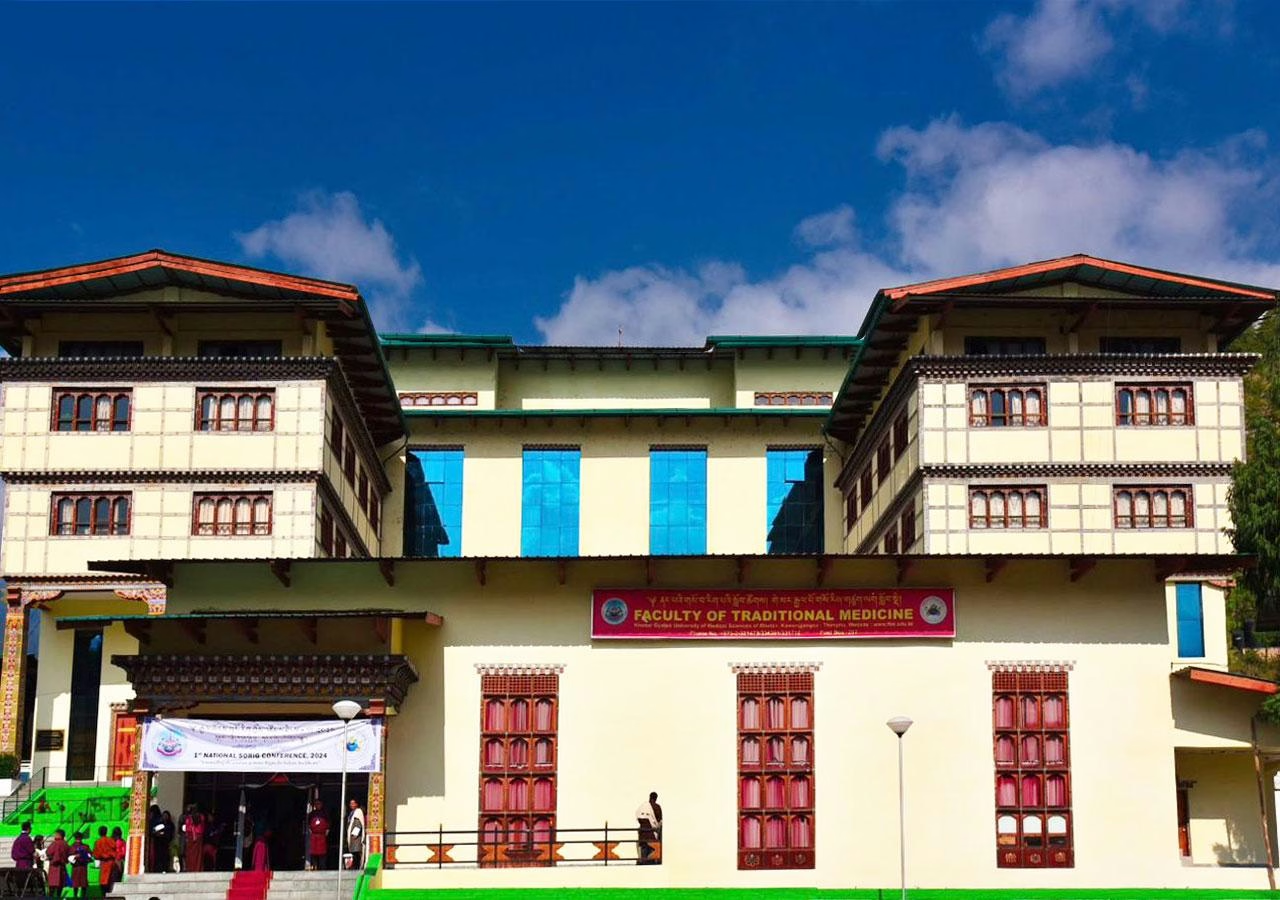
Across Bhutan, 83 Traditional Medicine Units are integrated into district hospitals, reflecting the nation's commitment to healthcare diversity. These units serve as a testament to Bhutan's constitutional right to access both traditional and modern medical services, allowing patients to choose or combine treatments as needed.
Popularity and Usage
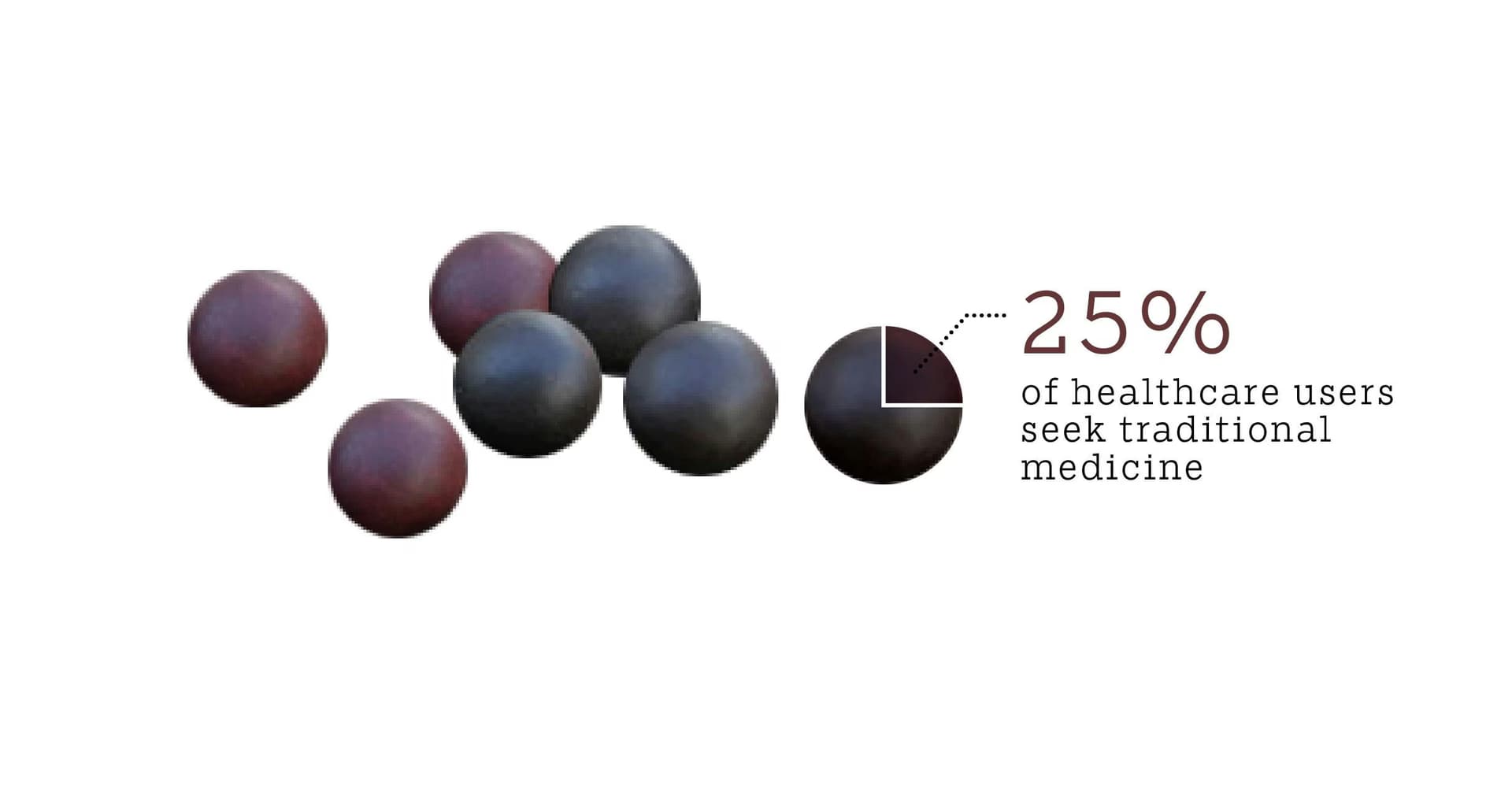
Recent health surveys highlight the enduring popularity of Sowa Rigpa, with about 25% of Bhutan's healthcare users opting for traditional treatments. Between 2020 and 2024, over 1.1 million cases were managed through these services, underscoring their integral role in the healthcare landscape. 📊
Conditions Treated by Sowa Rigpa
Patients often turn to Sowa Rigpa for chronic ailments such as:
- Arthritis
- Migraines
- Gastrointestinal disorders
- Neurological issues
The system's gentle, holistic methods appeal to those seeking a comprehensive approach that considers diet, behavior, environment, and mental state.
Complementary Care
Sowa Rigpa complements modern medicine in areas like mental health, maternal and geriatric care, and pain management. By addressing both physical and emotional well-being, it enhances patient comfort, reduces stress, and fosters a sense of balance. This integrated care model is a hallmark of Bhutan's progressive healthcare system. 🌿
Preventive Care and Daily Life
Preventive care is at the heart of Sowa Rigpa, promoting balanced living through dietary guidance, mindful exercises, and seasonal awareness. Practices like herbal teas and traditional incense are woven into daily routines, aligning with modern needs to counteract stress-related illnesses. 🌱
Future Directions
The Ministry of Health is committed to evolving Sowa Rigpa through initiatives like the National Traditional Medicine Strategy and Action Plan 2025–2034. This plan aims to strengthen research, improve service delivery, and expand education. The establishment of the National Centre for Traditional Medicine Services is a significant milestone, consolidating clinical care, training, and innovation. 🚀
Engaging the Next Generation
Efforts to engage younger generations through awareness programs and digital platforms are underway, ensuring that Sowa Rigpa remains a living, evolving tradition. By doing so, Bhutan not only preserves its heritage but also adapts it to meet contemporary needs.
Conclusion
In Bhutan, healing is a journey where tradition meets treatment. Sowa Rigpa stands as a testament to the country's ability to harmonize the old with the new, offering a healthcare model that is both timeless and forward-thinking. As Bhutan continues to innovate while honoring its roots, Sowa Rigpa remains a vital part of its healthcare narrative, embodying the nation's commitment to holistic well-being. 🌺
You May Also Like
Health
Mental Health: A Shared National Responsibility
August 29, 2026
Health
Mongar Mother and Child Hospital Handover: Ending Years of Healthcare Delays
August 26, 2026
Health
Behind Every Statistic: Understanding Human Impact in Health
August 26, 2026
Health
Breaking the Cycle: Understanding Relapse in Recovery
August 22, 2026