Category:
EconomyTingtibi's Sunday Market Revival Transforms Local Vegetable Sales
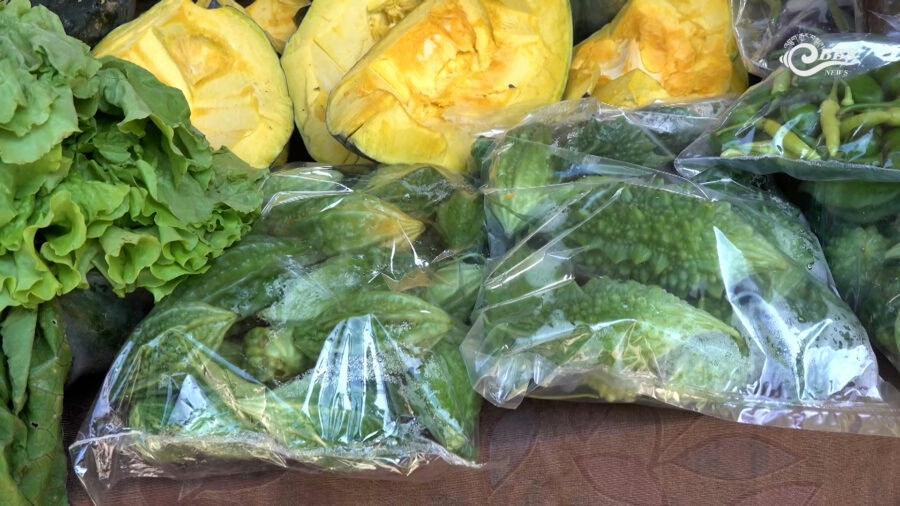
A Game-Changer for Rural Farmers 🌾
For decades, farmers in Tingtibi faced a persistent challenge that many rural communities know all too well: producing quality vegetables but struggling to find reliable buyers. The solution seemed simple in theory but proved elusive in practice—farmers would trudge from house to house, carrying heavy baskets of fresh produce, often returning home with unsold inventory and dwindling hope. This inefficient system not only wasted time and energy but also discouraged agricultural productivity and kept rural incomes stagnant.
Then came September of this year, marking a pivotal turning point for the community. The revival of the Sunday Vegetable Market in Tingtibi has fundamentally transformed the landscape for local farmers, creating a dedicated space where agricultural commerce can flourish and rural livelihoods can strengthen.
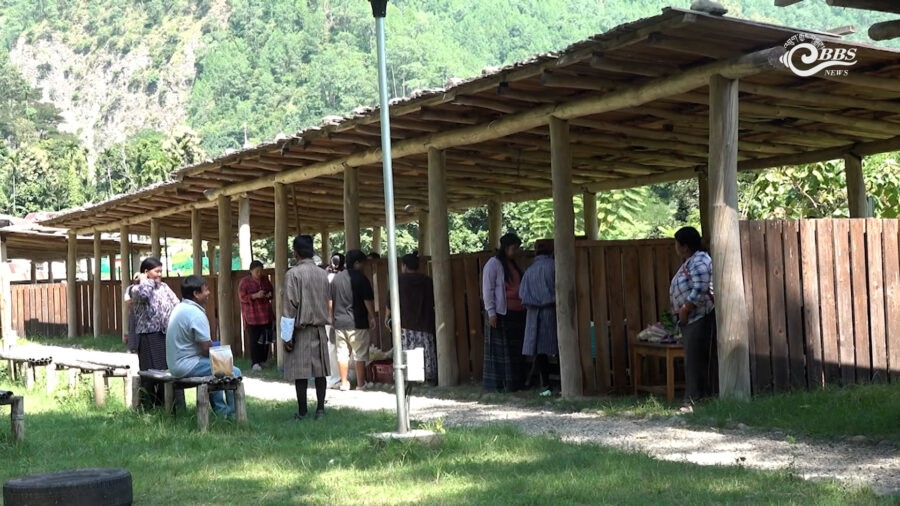
The Problem That Demanded a Solution 💡
Tingtibi, like many rural gewogs in Bhutan, has historically struggled with agricultural market infrastructure. With only a handful of shops selling vegetables in the area, farmers faced a genuine market access crisis. This wasn't simply an inconvenience—it represented a systemic barrier to economic development.
The traditional door-to-door sales approach came with significant drawbacks:
- Time inefficiency: Farmers spent entire days walking between homes with minimal sales
- Physical burden: Carrying heavy produce loads on their backs created fatigue and health concerns
- Unpredictable income: There was no guarantee of making any sales on a given day
- Reduced incentive: Many farmers became discouraged and reduced their production
- Market uncertainty: Without a stable selling point, agricultural planning became nearly impossible
This cycle of limited market access had perpetuated rural poverty and discouraged younger generations from pursuing agriculture as a viable livelihood option.
The Revival: A Catalyst for Change ✨
The decision to revive the Sunday Vegetable Market represents more than just opening a marketplace—it's a strategic intervention in rural economic development. Initiated in September, this market has already demonstrated its transformative potential within just a few months of operation.
The initiative addresses multiple objectives simultaneously:
- Strengthens local agricultural markets by creating a dedicated trading hub
- Improves household incomes through direct farmer-to-consumer sales
- Encourages increased production by providing market certainty
- Builds community resilience through local economic strengthening
- Supports food security by promoting locally-grown produce consumption
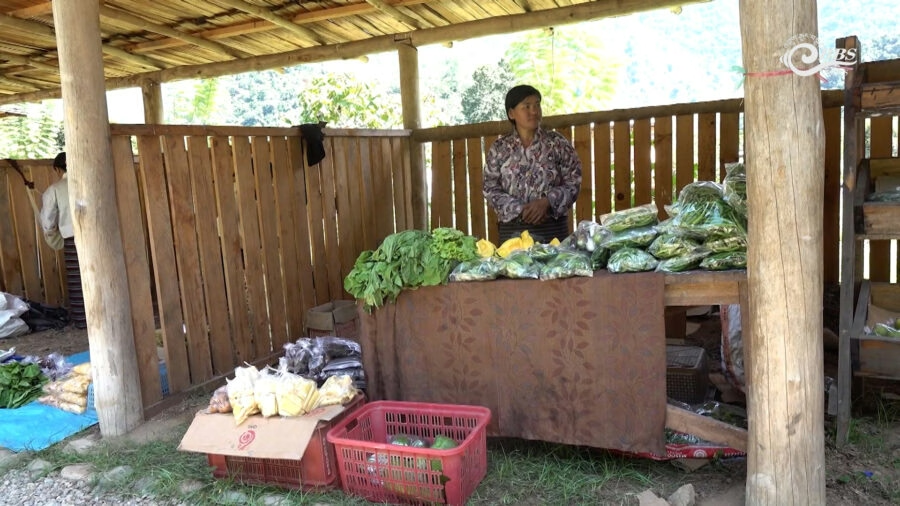
Real Stories, Real Impact 🌟
The true measure of the market's success lies in the experiences of those who depend on it daily. Pema Choden, a resident farmer, captures the fundamental shift in perspective: "Without a designated vegetable market, we were selling our farm produce by going door to door, carrying our vegetables. Now that we have a proper place, we are happy to have this facility."
This sentiment reflects a broader transformation in how farmers view their work and their community's economic prospects. The psychological impact of having a proper marketplace cannot be overstated—it signals legitimacy, stability, and opportunity.
Kencho Peldon, another farmer, emphasizes the practical advantages: "We struggled to find buyers for our vegetables earlier. Now, with the Sunday market, we have a proper place to sell our produce." This straightforward observation highlights how market infrastructure directly translates into business viability.
Perhaps most compelling is Sherab Wangmo's account of tangible income improvements: "Earlier, we went from home to home carrying our goods on our backs and were sometimes unable to sell even a kilogram of vegetables. But now that we have this place, we are able to earn about Nu 1,500 to 2,000 in a week."
This income boost—earning 1,500 to 2,000 Ngultrum weekly—represents a significant improvement for rural households and demonstrates that the market is delivering genuine economic benefits.
Economic Implications for Rural Bhutan 📊
The Tingtibi market revival occurs within a broader context of rural economic development in Bhutan. The nation has increasingly recognized that sustainable development requires strengthening rural livelihoods and reducing urban-rural income disparities.
Agriculture remains central to Bhutanese rural economies, yet farmers often operate at a disadvantage due to:
- Limited market access and information
- Lack of organized trading infrastructure
- High transaction costs for reaching distant markets
- Seasonal price volatility
- Insufficient value-addition opportunities
By creating dedicated local markets, communities can address these structural challenges while keeping agricultural profits within the local economy. Research from similar initiatives across South Asia suggests that farmer markets can increase agricultural incomes by 30-40% while simultaneously improving food security and nutrition in surrounding communities.
Convenience for Consumers 🛒
While farmers benefit from stable sales channels, consumers also gain significant advantages from the Sunday Vegetable Market. Access to fresh, locally-grown vegetables offers multiple benefits:
- Superior freshness: Produce travels minimal distances, ensuring peak nutritional value
- Competitive pricing: Direct farmer-to-consumer sales eliminate middleman markups
- Quality assurance: Customers can inspect produce and build relationships with growers
- Seasonal variety: Markets reflect local growing patterns and seasonal availability
- Community connection: Shopping becomes a social activity that strengthens community bonds
For Tingtibi residents accustomed to limited vegetable availability, the market provides unprecedented convenience and choice.
Expansion Plans: The Next Phase 🚀
The success of Tingtibi's market has generated momentum for expansion. Plans are already underway to establish similar markets in Panbang and Zhemgang Throm, indicating that local authorities recognize the model's viability and potential.
This phased expansion approach demonstrates thoughtful planning:
- Pilot validation: Tingtibi serves as a proven model
- Scalable infrastructure: Lessons learned inform expansion strategies
- Community readiness: Additional markets can serve growing demand
- Regional development: Multiple markets strengthen the entire agricultural ecosystem
If successful, these expansions could create a network of local markets throughout the region, fundamentally transforming agricultural commerce in eastern Bhutan.
Broader Implications for Rural Development 🌱
The Tingtibi market represents a microcosm of how targeted interventions can address systemic rural challenges. The initiative demonstrates several important principles:
Market infrastructure matters: Physical spaces dedicated to commerce facilitate transactions that might otherwise never occur.
Direct relationships work: Farmer-to-consumer models eliminate inefficiencies inherent in multi-layered supply chains.
Motivation drives production: When farmers see reliable markets, they invest more in cultivation and quality improvement.
Community solutions are sustainable: Locally-driven initiatives tend to be more resilient and culturally appropriate than top-down programs.
Looking Forward: Building Momentum 💪
Every transaction at the Tingtibi Sunday Vegetable Market represents more than just commerce—it's a statement about rural economic possibility. As Sherab Wangmo noted, the market has motivated her to work harder and grow more vegetables, reflecting how market access transforms agricultural mindsets.
For Bhutan's rural communities, such markets serve as anchors for broader economic development. They keep money circulating locally, reduce urban migration pressure, and demonstrate that viable livelihoods exist in agricultural communities.
The real success will be measured not just in immediate sales figures or income levels, but in whether younger farmers see agriculture as a viable future and whether rural communities experience sustained economic improvement. When farmers have a place to sell, growing more becomes worthwhile—and that simple truth has the power to reshape rural Bhutan's economic trajectory.
Key Takeaways ✅
The revival of Tingtibi's Sunday Vegetable Market illustrates how strategic market infrastructure investments can transform rural livelihoods:
- Eliminates market access barriers that had hindered agricultural commerce
- Generates meaningful income improvements for farming households
- Creates community gathering spaces that strengthen social cohesion
- Demonstrates scalability with planned expansions to other gewogs
- Signals commitment to rural economic development and sustainability
As this initiative expands across the region, it offers a compelling model for how communities can build resilient, locally-driven economies that benefit both producers and consumers.
You May Also Like

Economy
Norbugang Industrial Park: Driving Employment and Economic Growth
November 23, 2026
Economy
Modernizing Regulations: Unlocking Economic Growth
November 21, 2026
Economy
Bhutan's Nu 33.5B Borrowing Plan: Balancing Fiscal Needs
November 21, 2026
Economy
Rising Business Costs in Bhutan: SME Growth Challenges
November 21, 2026