Category:
EconomyNorbugang Industrial Park: Driving Employment and Economic Growth
The Industrial Transformation of Samtse 🏭
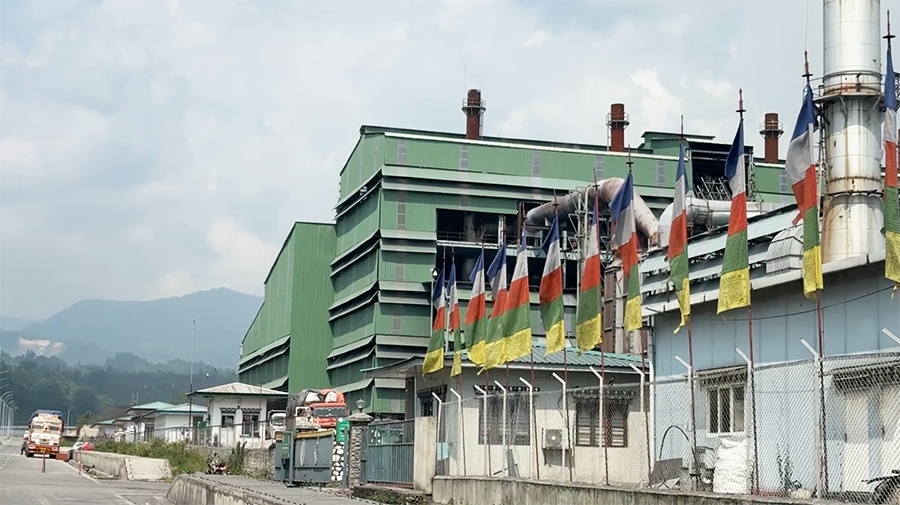
Samtse district is experiencing a remarkable economic renaissance, driven largely by the strategic development of Norbugang Industrial Park. This burgeoning industrial hub has become a catalyst for employment generation, business expansion, and community revitalization in a region that once struggled with limited economic opportunities. The park's emergence represents a significant shift in Bhutan's economic landscape, particularly for southern regions seeking sustainable development pathways.
The establishment of this industrial complex has fundamentally altered the trajectory of Norbugang town and surrounding areas, transforming it from a quiet, economically stagnant region into a thriving commercial center. What was once a place where residents had to migrate elsewhere for employment has now become a destination attracting workers and entrepreneurs alike.
Employment Opportunities: A Game-Changer for Local Communities 💼
The most immediate and tangible benefit of Norbugang Industrial Park has been the creation of substantial employment opportunities. The park has already generated jobs for more than 1,500 people, providing both direct employment within the industrial units and indirect employment through supporting services and businesses.
Norbugang Gup Yadu Raj Ghalley emphasized the dual nature of employment creation: "The industries are benefiting us with direct employment as well as indirect employment opportunities." This multifaceted approach to job creation ensures that benefits extend beyond factory workers to include service providers, retailers, transportation operators, and numerous other occupational categories.
The employment generation has proven particularly significant for residents who previously had no choice but to relocate. Many workers from Dhamzhagsa Tsaphel Thang, who had migrated to industrial areas such as Pasakha in Phuentshogling, are now returning to their home gewog. This reverse migration pattern demonstrates how industrial development can address rural-to-urban migration challenges by bringing economic opportunities closer to home.
Retail Boom: The Visible Face of Economic Growth 🛍️
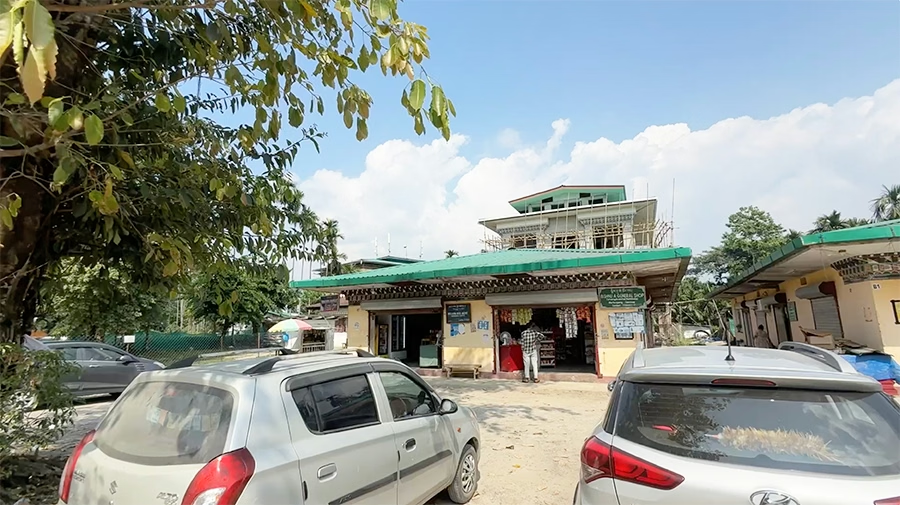
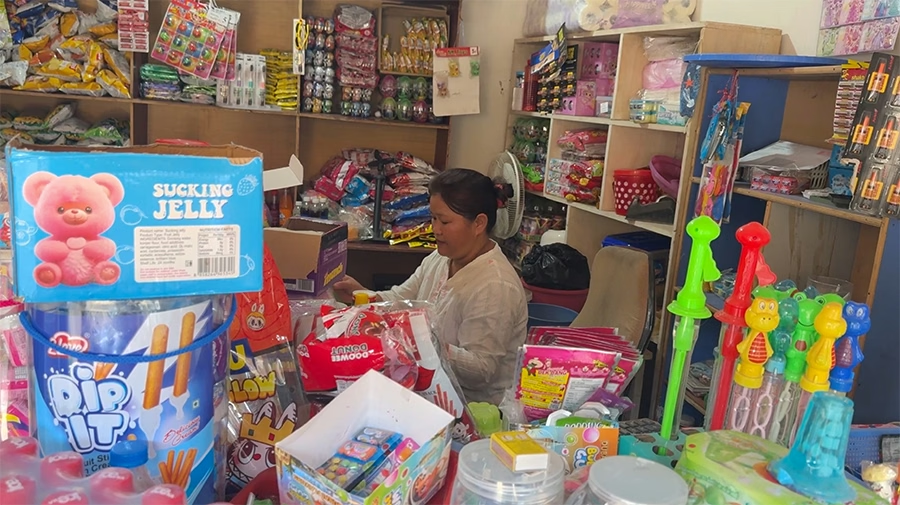
One of the most visible indicators of Norbugang's economic transformation is the explosive growth in the retail sector. The commercial landscape has undergone dramatic change, with the number of shops in Norbugang town nearly doubling within just two years. What once numbered around 30 establishments has now expanded to nearly 60 shops, reflecting the surge in consumer demand and business confidence.
Shopkeeper Deo Maya Subba articulated the stark contrast between the pre-industrial and post-industrial eras: "Earlier, before the establishment of the industries, business was not very good. But after the industries came in, many people moved into the area, and our businesses started doing well." Her experience encapsulates the broader economic transformation affecting the entire town.
This retail expansion serves multiple functions in the local economy:
- Increased consumer spending from industrial workers and their families
- Enhanced market accessibility for residents who no longer need to travel to distant towns
- Entrepreneurial opportunities for local business owners and aspiring merchants
- Improved service infrastructure supporting both workers and residents
Agricultural and Livestock Synergies 🌾
Beyond industrial and retail sectors, Norbugang Industrial Park has created unexpected benefits for the agricultural community. The concentration of industrial workers and increased population has generated heightened demand for locally-produced agricultural and livestock products. Local farmers and livestock producers have found new, reliable markets for their goods without the need to travel extensively or deal with intermediaries.
Gup Yadu Raj Ghalley noted this agricultural dimension: "It has also helped enhance the market for our agriculture and livestock products." This integration of industrial development with agricultural commerce represents a holistic approach to regional economic development, ensuring that traditional sectors benefit alongside modern industrial enterprises.
Infrastructure Development and Connectivity 🛣️
Industrial parks require robust infrastructure, and the development of Norbugang has spurred significant improvements in road connectivity and accessibility. Enhanced transportation networks benefit not only industrial operations but the entire region, facilitating trade, reducing travel times, and improving quality of life for residents.
These infrastructure improvements create cascading benefits:
- Reduced logistics costs for businesses operating in the park
- Better emergency services access for the broader community
- Enhanced connectivity between Norbugang and neighboring areas
- Improved tourism potential through better road infrastructure
Current Park Operations and Future Potential 📊
Norbugang Industrial Park, strategically located approximately two kilometers from Norbugang town, has been developed with considerable foresight. The park comprises 10 allocated plots, with six industrial units currently operational and the remaining units under active construction. This phased development approach allows for controlled growth while maintaining infrastructure quality.
Financially, the park has proven its viability. During the last financial year, the industrial park generated nearly Nu 20 million in lease revenue, demonstrating both operational success and the government's commitment to sustainable economic development. These revenues contribute to local administration and can be reinvested in community development initiatives.
The Broader Regional Context ✨
The significance of Norbugang Industrial Park becomes even more apparent when considering its geographic positioning. Located just a few kilometers from Dhamdum Industrial Park, also in Samtse, the region is positioned to become a major industrial corridor in southern Bhutan. This clustering of industrial facilities creates economies of scale, attracts specialized service providers, and positions Samtse as a preferred investment destination.
Industry analysts suggest that this dual-park approach could catalyze further industrial growth and economic diversification in the region. The proximity of complementary industrial facilities encourages supply chain integration, knowledge sharing, and collaborative business opportunities.
Reversing Migration Trends 🔄
One of the most significant social outcomes of Norbugang Industrial Park's development has been its impact on migration patterns. For years, Bhutanese rural areas have experienced outmigration as young people and workers sought employment in established urban centers. The industrial park represents a counter-trend, demonstrating that strategic development can reverse this pattern.
By creating employment opportunities in home communities, the park enables residents to maintain family and cultural connections while accessing modern economic opportunities. This balance between economic advancement and social stability is increasingly recognized as crucial for sustainable regional development.
Challenges and Considerations Ahead 🤔
While Norbugang Industrial Park's achievements are noteworthy, continued success requires attention to several factors. Maintaining environmental sustainability, ensuring equitable benefit distribution, providing skills training for workers, and managing infrastructure capacity as the park expands remain important considerations for local authorities and stakeholders.
The park's future will depend on attracting additional industrial investors, supporting existing enterprises through business development services, and ensuring that growth remains sustainable and inclusive.
Looking Forward: Opportunities and Growth Trajectories 🚀
Norbugang Industrial Park stands as a compelling example of how strategic industrial development can transform regional economies. The combination of employment generation, retail expansion, agricultural market enhancement, and infrastructure improvement demonstrates the multifaceted benefits of industrial parks when properly planned and managed.
As Samtse continues to develop its industrial capacity, the region is poised for sustained economic growth. The success of Norbugang Industrial Park provides a proven model that could be replicated in other parts of Bhutan, offering hope to communities seeking economic development while maintaining their cultural and environmental values.
The story of Norbugang is ultimately one of possibility—demonstrating that with thoughtful planning and investment, rural communities can become centers of economic opportunity, enabling residents to build prosperous futures without abandoning their roots. As more industrial units come online and the park reaches full capacity, the positive ripple effects will likely extend far beyond Norbugang town itself, benefiting the entire Samtse district and contributing meaningfully to Bhutan's national economic objectives.
You May Also Like
Economy
Modernizing Regulations: Unlocking Economic Growth
November 21, 2026
Economy
Bhutan's Nu 33.5B Borrowing Plan: Balancing Fiscal Needs
November 21, 2026
Economy
Rising Business Costs in Bhutan: SME Growth Challenges
November 21, 2026

Economy
Civil Service Pay Hike: Widening the Public-Private Wage Gap
November 21, 2026