Category:
HealthThimphu's Healthcare Revolution: A New Era
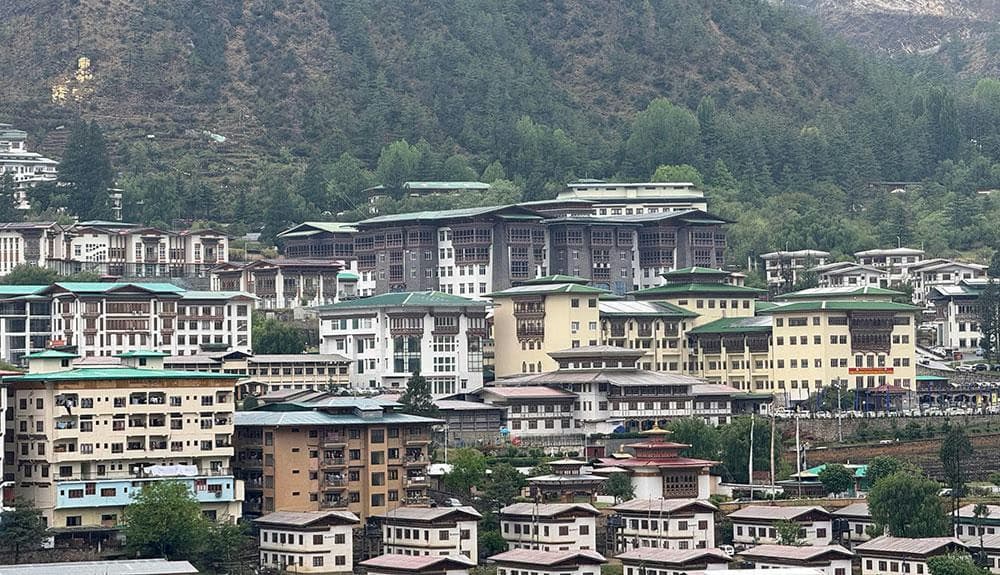
The Bhutanese government has taken a significant step forward in transforming healthcare services in the capital, Thimphu. 🚑 Instead of proceeding with the construction of a 50-bed general hospital, plans have shifted towards expanding the Jigme Dorji Wangchuck National Referral Hospital (JDWNRH) and establishing a state-of-the-art super-speciality facility. This strategic decision promises to bring advanced healthcare services closer to home and reduce the dependency on costly overseas medical referrals.
Why Shift from a 50-Bed Hospital? 🏥
Originally, the plan was to build a 50-bed facility at Lower Taba, following a series of revisions from a 20-bed to a 100-bed proposal. The project, estimated at Nu 750 million, was part of the Government of India's Project Tied Assistance. However, after careful consideration, the government decided to prioritize the current healthcare infrastructure.
Key Factors Influencing the Decision:
- Low Utilization Concerns: Prime Minister Tshering Tobgay raised concerns over the potential underutilization of the proposed facility.
- Timeliness: With the 13th Plan nearing its end, there was apprehension about initiating major constructions that might get delayed across subsequent plans.
- Economic Efficiency: Allocating resources to enhance existing facilities and build a super-speciality hospital was deemed more cost-effective and impactful.
The Vision for JDWNRH and Beyond 🌟
The JDWNRH will be upgraded into the Thimphu General Hospital, equipped to handle the growing healthcare demands of the region. Alongside, a multidisciplinary super-speciality hospital is planned on the same campus. This facility aims to house advanced medical services, allowing Bhutan to invite and accommodate specialists in various fields.
Highlights of the New Super-Speciality Facility:
- 250-bed National Cancer Hospital: Addressing the increasing prevalence of cancer, this facility will focus on providing comprehensive oncology services.
- 400-bed Inpatient Diagnostic Block: Designed to offer a wide range of diagnostic services, enhancing patient care.
- Outpatient Diagnostic Block: Improving the efficiency of outpatient services with state-of-the-art technology.
Broader Trends in Bhutanese Healthcare 🏥💡
This move is part of a broader trend in Bhutan towards modernizing healthcare infrastructure. The focus on super-speciality care reflects a global shift towards specialized, technology-driven healthcare services. By investing in such facilities, Bhutan is set to improve its healthcare outcomes and ensure better preparedness for future health emergencies.
The Role of National Policy:
- 13th Plan Goals: The government is committed to fast-tracking projects that align with the current plan's objectives, ensuring that resources are efficiently utilized.
- Regional Expansion: Projects like expanding Samtse Hospital into a Southern Regional Referral Hospital highlight the government's commitment to balanced regional healthcare development.
Challenges and Future Prospects 🚀
While the shift in healthcare strategy promises numerous benefits, it also presents challenges. Funding constraints have delayed several projects, including the Thimphu General Hospital, which was initially planned to open by 2023. Despite these hurdles, the government's proactive approach and strategic planning offer a promising outlook.
Key Takeaways:
- Strategic Resource Allocation: By reallocating resources to enhance existing facilities, Bhutan is poised to offer more comprehensive healthcare solutions.
- Focus on Specialization: The emphasis on super-speciality services reflects a commitment to cutting-edge healthcare.
- Future Readiness: The new healthcare infrastructure is designed to meet both current and future demands, ensuring robust healthcare delivery.
The government's decision to shelve the 50-bed hospital project in favor of a super-speciality facility marks a transformative moment for Thimphu's healthcare landscape. With a focus on advanced services and efficient resource utilization, Bhutan is set to enhance its healthcare capabilities, offering hope and improved outcomes for its citizens. 🌍✨
You May Also Like
Health
Mental Health: A Shared National Responsibility
August 29, 2026
Health
Mongar Mother and Child Hospital Handover: Ending Years of Healthcare Delays
August 26, 2026
Health
Behind Every Statistic: Understanding Human Impact in Health
August 26, 2026
Health
Breaking the Cycle: Understanding Relapse in Recovery
August 22, 2026