Category:
CultureThe House That Must Never Be Empty
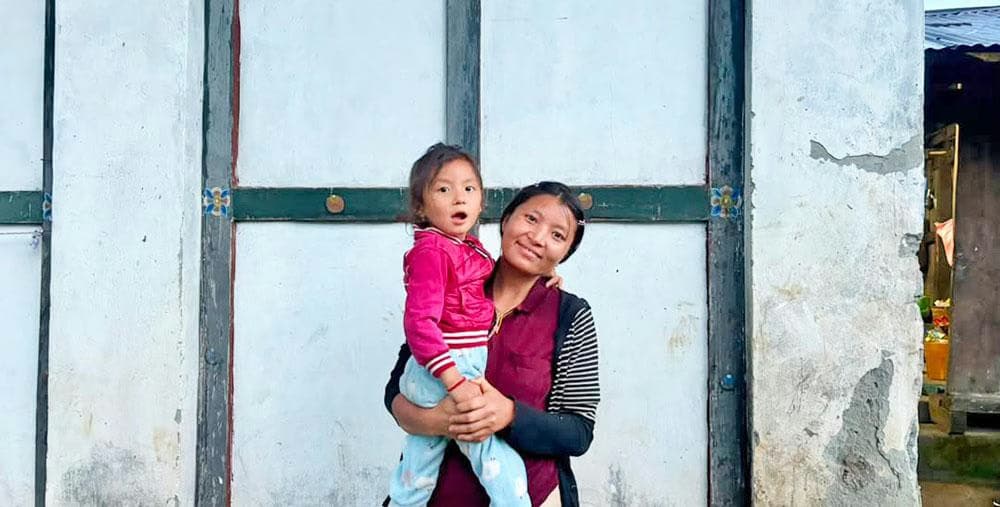
A Unique Tradition in Ngangla Trong 🌄
In the heart of Bhutan, the village of Ngangla Trong holds a unique tradition where homes must never remain empty. This practice is more than just a cultural relic; it represents a living system of social class, ritual duty, and shared responsibility. Here, three class houses—Brela, Lhamenpa, and Bjarpa—are central to maintaining the village’s cultural cohesion.
The Role of Class Houses 🏠
Each class house in Ngangla Trong has a specific function, deeply embedded in the village's historical and social fabric. The Brela, Lhamenpa, and Bjarpa classes collectively ensure that the cultural and religious duties are upheld. Every three years, a family from each class is chosen to reside in these houses, maintaining them and fulfilling various community roles.
Rinchen Yangzom, a member of the Bjarpa class, recently moved into her class house. For the next three years, this house will be her home, a place she cannot leave unattended even for a single day. Her responsibilities include performing daily rituals, such as the sang (incense) offering, and hosting visitors, reflecting the communal nature of these dwellings.
Historical Roots and Social Structure 📜
The origins of this tradition are steeped in the village's history. According to local narratives, the Brela were the first inhabitants, followed by the Lhamenpa and Bjarpa, forming the rigs gsum, or three classes, plus the ruling house of the Khoche. This system, unique to this region, has preserved social order and cultural practices over generations.
The temple near the class houses is under the patronage of the Khoche and follows the Nyingma school of Tibetan Buddhism. This connection enriches the community's spiritual life, blending Buddhism with local rituals led by lay practitioners known as mishi lama, gomchens, and others.
Rituals and Festivals: The Heartbeat of the Community 🎉
A highlight of the communal life in Ngangla Trong is the Choedpala festival. This four-day event involves preparing fermented offerings, hosting ritual specialists, and engaging in traditional performances. These activities renew the harmony between land, lineage, and people, emphasizing the importance of the class houses in maintaining these traditions.
Challenges and Responsibilities 💪
Living in a class house is not without its challenges. Families often leave their personal homes and fields unattended, which may lead to overgrown lands and other issues. Despite this, the system ensures that every household contributes to the community at some point, fostering a deep sense of cooperation and discipline.
The Future of a Living Tradition 🌟
As Bhutan continues to modernize, traditions like the class house system in Ngangla Trong stand as a testament to the enduring importance of cultural heritage. While changes are inevitable, the commitment of villagers like Rinchen Yangzom ensures that these practices remain vital parts of Bhutanese identity.
In conclusion, the house that must never be empty is a symbol of communal life, cultural responsibility, and historical continuity. It reminds us that while individual comfort is important, the strength of a community lies in shared traditions and collective stewardship.
You May Also Like
Culture
Thai Designer Transforms Bhutanese Textiles into Contemporary Fashion
October 23, 2026
Culture
The Last Herds of Zhodu: Bhutan's Fading Pastoral Legacy
October 21, 2026
Culture
Highlanders Celebrate 12th Jomolhari Mountain Festival
October 21, 2026
Culture
Sacred Heart of 108 Chortens: Bhutan's Spiritual Masterpiece
August 26, 2026