Category:
NewsThe Costly Fiasco of Bhutan's WOW Farm
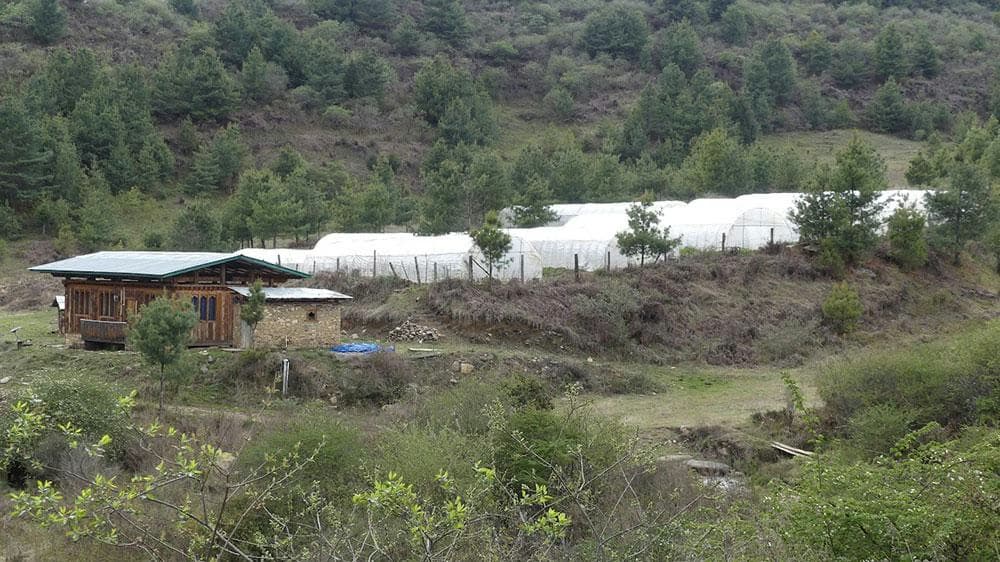
An Ambitious Dream Turned Sour 🌱
In the serene highlands of Bhutan, the Wobthang Organic Wonders (WOW) farm was designed to be a beacon of innovation in organic agriculture. With over Nu 20 million in public and donor funding, its mission was to lead Bhutan into a new era of sustainable farming. Yet, the silence at Wobthang today tells a different story—a tale of missed opportunities and unmet expectations.
The Vision: A Model for High-Altitude Agriculture ⛰️
The WOW farm was hailed as a transformative project, aimed at showcasing the potential of high-altitude organic farming. It promised to create employment, boost local economies, and serve as an exemplary model for Bhutanese farmers. However, several critical factors were underestimated, leading to its downfall.
Challenges of Climate and Infrastructure 🌧️
One of the farm's significant oversights was its failure to account for the harsh climatic conditions and poor soil quality of the region. These environmental challenges, coupled with a lack of adequate infrastructure, particularly the unreliable road network during monsoon seasons, rendered logistics costly and unpredictable. This is a substantial setback for any commercial agricultural venture.
A Lesson in Accountability 🔍
The fallout from the WOW farm underscores the importance of accountability in development projects. Despite the substantial investment, the farm lies abandoned, with broken fences and idle machinery. The lack of accountability and clear project oversight meant that warning signs were ignored, leading to a costly and public failure.
Broader Implications for Bhutan's Development Strategy 📈
The WOW farm fiasco highlights a recurring flaw in Bhutan's development planning—ambitious projects that lack grounding in local realities. Successful development is not merely about scale; it is about suitability and sustainability. Smaller, community-driven projects that align with local conditions often yield more durable results.
Key Lessons for Future Initiatives 💡
To avoid repeating such costly mistakes, future projects in Bhutan should incorporate several critical lessons:
- Feasibility Studies: Conduct rigorous, evidence-based studies that reflect on-the-ground realities.
- Infrastructure Alignment: Ensure that infrastructural investments are supported by enabling conditions such as roads, markets, and available labor.
- Accountability Frameworks: Establish clear responsibility and consequence mechanisms for failure.
- Culture of Learning: Foster an environment where failures are analyzed and used to inform better decision-making.
The Path Forward: Private Sector Involvement? 🤔
As policymakers consider transferring the farm to private operators, it is crucial to address fundamental issues such as access, wildlife intrusion, and high production costs. Without tackling these core problems, any revival attempts may be doomed to repeat past failures.
Conclusion: A Cautionary Tale for Development 🌍
The WOW farm stands as a reminder of the consequences of misaligned ambition and poor planning. For Bhutan, where public resources are scarce and development needs are vast, every ngultrum must be accounted for. This costly fiasco serves as a lesson in ensuring that future projects are grounded in realism and sustainability.
In the end, the story of the WOW farm is not just about a failed project. It is a broader narrative about the importance of thoughtful, accountable, and locally informed development strategies that Bhutan can ill afford to ignore.
You May Also Like
News
Women Entrepreneurs Master AI and Digital Tools in Phuentsholing
September 1, 2026
News
Can Samtse Keep Up With Its Growing Workforce?
August 29, 2026
News
Nepal Flood Exposes Critical Gaps in Bhutan's Early Warning Systems
August 29, 2026
News
High Court Overturns Acquittal: Doctor Sentenced to 10 Years for Child Sexual Abuse
August 29, 2026