Category:
EducationTeacher Registration System Replaces Licensing in Bhutan
A Shift in Teacher Professional Standards 🎓
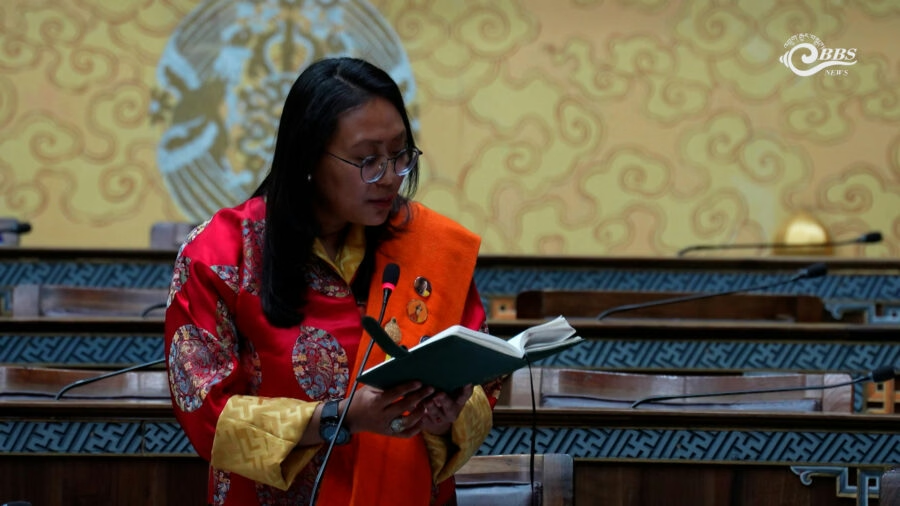
Bhutan's education system is undergoing a significant transformation. The government has made a pivotal decision to replace the previously proposed mandatory teacher licensing system with a more flexible registration framework. This move represents a thoughtful balance between maintaining rigorous professional standards and respecting the qualifications teachers already hold from recognized training institutions.
The shift comes after considerable parliamentary debate about the most effective way to ensure teaching excellence in the 21st century. Rather than questioning existing credentials, the new approach focuses on continuous professional development and competency maintenance—a strategy that acknowledges both the value of initial teacher training and the evolving demands of modern education.
Understanding the Registration System 📋
The proposed teacher registration system introduces a structured framework for monitoring and supporting educator development. Unlike a licensing requirement that might suggest existing qualifications are insufficient, registration operates as a formal tracking mechanism that recognizes teachers' current competencies while establishing clear pathways for professional growth.
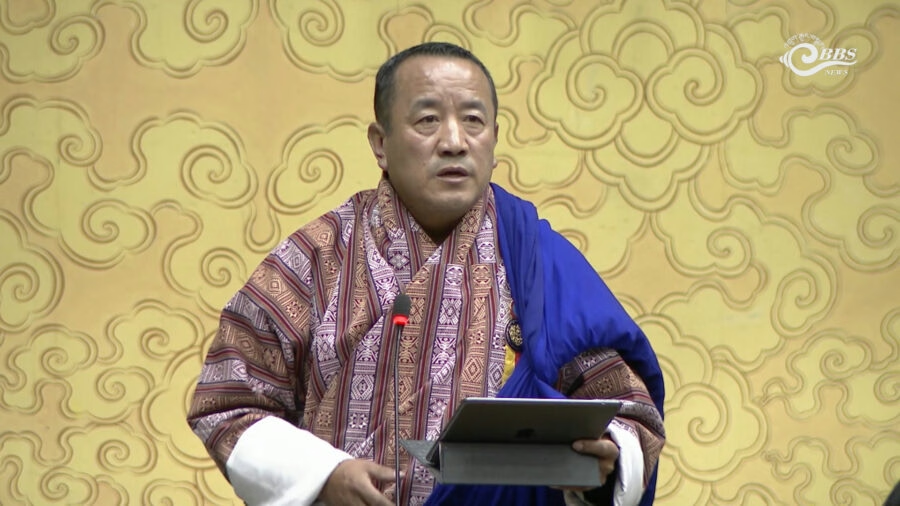
This system addresses a critical gap in Bhutan's educational infrastructure. Currently, the nation lacks a formal Teaching Council or centralized registration mechanism to systematically monitor professional standards across the teaching workforce. The registration framework will provide exactly this—a clear, transparent system for tracking teacher competencies and ensuring accountability throughout their careers.
The Four-Tier Teacher Classification System ⭐
The registration system categorizes teachers into four distinct levels, each reflecting their experience and demonstrated competency:
Beginning Teachers - Educators with fewer than five years of service fall into this category. These professionals are typically recent graduates from teacher training colleges who are building practical classroom experience. They undergo regular competency assessments to evaluate their readiness for advancement.
Proficient Teachers - This tier represents teachers who have moved beyond the beginning stage and demonstrate solid classroom management, subject matter knowledge, and student engagement skills.
Accomplished Teachers - Educators reaching this level show advanced pedagogical expertise, leadership qualities, and the ability to mentor junior colleagues.
Distinguished Teachers - The highest classification recognizes exceptional educators who consistently demonstrate excellence and contribute significantly to educational innovation and improvement.
This tiered approach creates natural progression pathways while maintaining flexibility for teachers to advance based on demonstrated competency rather than rigid timelines alone.
Why the Change from Licensing to Registration? 🤔
Parliamentary members raised thoughtful questions about the necessity of a licensing system, particularly given that Bhutan already requires teachers to graduate from recognized teacher training institutions. The concern centered on whether additional licensing requirements would genuinely improve education quality or simply create bureaucratic burden.
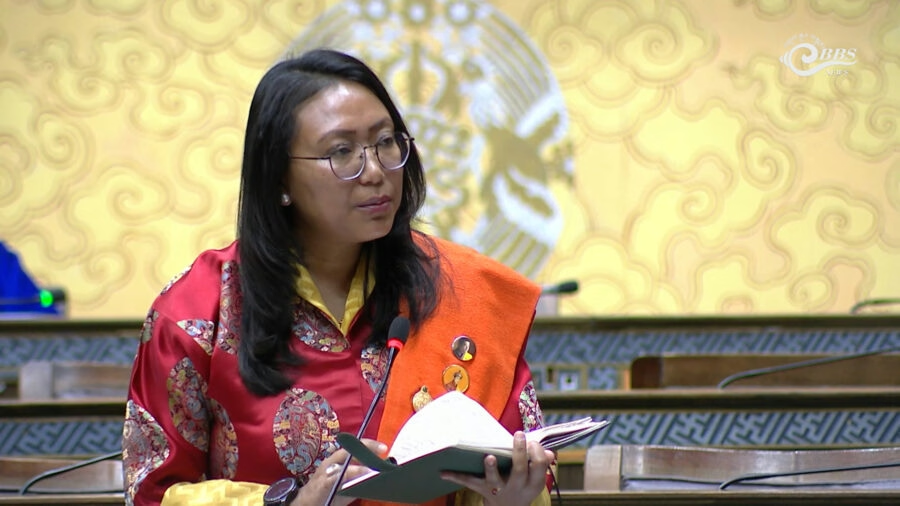
MP Namgay Dorji from Khamdang-Ramjar highlighted the importance of evidence-based policy. He questioned what specific shortcomings in existing teacher training institutions had been identified to justify such a significant policy shift. This parliamentary scrutiny ensured the government developed a more nuanced, research-informed approach.
The registration system responds to these concerns by maintaining respect for existing qualifications while introducing a more targeted mechanism for ongoing professional development. Teachers are not required to requalify or have their existing credentials questioned—a crucial distinction that acknowledges the value of their initial training.
Continuous Professional Development in the 21st Century 🌍
Education systems worldwide are grappling with rapid changes in curriculum, pedagogy, and technology. Bhutan's education landscape is no exception. The new registration system explicitly recognizes that teaching excellence requires more than initial training—it demands continuous learning and adaptation.
As education systems evolve, so too must teachers' competencies. The registration framework mandates ongoing training and assessment to ensure educators remain current with:
- Modern pedagogical approaches
- Integration of technology in classrooms
- Student-centered learning methodologies
- Subject matter updates and developments
- Assessment and evaluation techniques
- Inclusive education practices
This commitment to continuous professional development positions Bhutanese teachers to effectively prepare students for a rapidly changing global landscape.
The Need for a Teaching Council 🏛️
One of the most significant aspects of the registration system is the establishment of a formal Teaching Council—an institution Bhutan currently lacks. This professional body will serve critical functions in the education ecosystem:
Monitoring Professional Standards - The council will establish and maintain clear benchmarks for teaching excellence, ensuring consistency across schools and regions.
Tracking Competencies - Through the registration system, the council will maintain comprehensive records of teacher qualifications, certifications, and professional development activities.
Supporting Development - Rather than serving as a punitive body, the council will actively support teacher growth through resource provision, training opportunities, and mentorship programs.
Ensuring Accountability - The council creates a transparent mechanism for addressing professional concerns while protecting both educators and students.
Parliamentary members questioned whether this professional council might function like a teachers' association or union. The government clarified that the Teaching Council is distinctly a professional regulatory body—focused on standards and competency monitoring rather than labor representation or collective bargaining.
Implementation Timeline and Next Steps ⏰
The Ministry of Education is currently finalizing the implementation framework for the registration system. This careful, deliberate approach reflects the government's commitment to ensuring the system is well-designed, equitable, and genuinely beneficial to teachers and students.
Once fully implemented, the registration system will provide:
- A structured mechanism for monitoring teacher competencies
- Clear professional development pathways
- Recognition and support for educator growth
- Enhanced accountability across the education system
- Better alignment with international best practices
Benefits for Bhutan's Education Sector 💡
The shift from licensing to registration offers several advantages for Bhutan's education system:
Respects Existing Credentials - Teachers are not required to undergo re-certification, acknowledging the value of their existing qualifications from recognized training institutions.
Focuses on Continuous Improvement - Rather than one-time assessment, the system emphasizes ongoing professional development and competency enhancement.
Creates Clear Accountability Mechanisms - The Teaching Council provides the formal oversight structure currently lacking in Bhutanese education.
Supports Professional Growth - The tiered classification system creates motivation and pathways for career advancement based on demonstrated excellence.
Addresses 21st-Century Needs - The framework explicitly recognizes that education is evolving and teachers must continuously adapt their practice.
Comparative Context: Global Teacher Regulation Trends 🌐
Bhutan's approach aligns with emerging international trends in teacher professional standards. Many countries are moving away from rigid licensing requirements toward more flexible, competency-based registration systems that emphasize continuous professional development.
This shift reflects a broader recognition that teaching excellence cannot be achieved through initial certification alone. Rather, quality teaching requires ongoing learning, reflection, and adaptation—principles that the registration system explicitly embodies.
Looking Ahead: What Teachers Should Know 📚
For Bhutanese educators, the transition to a registration system means:
- Existing qualifications remain valid and respected
- Participation in regular professional development becomes formalized and tracked
- Clear pathways exist for career progression through the four-tier system
- A professional Teaching Council will provide support and oversight
- Competency assessment becomes an ongoing process rather than a one-time event
Conclusion: A More Thoughtful Approach to Teaching Excellence ✨
Bhutan's decision to replace mandatory teacher licensing with a registration system represents mature, evidence-informed policymaking. By listening to parliamentary concerns and designing a system that respects existing qualifications while promoting continuous professional development, the government has created a framework that genuinely serves both teachers and students.
The registration system acknowledges a fundamental truth: teaching excellence is not a destination reached through initial certification, but rather an ongoing journey of learning, growth, and adaptation. Through the new Teaching Council and tiered classification system, Bhutan is positioning its educators—and by extension, its students—for success in an increasingly complex educational landscape.
As implementation proceeds, this system will likely serve as a model for how countries can balance professional accountability with professional respect, creating environments where teachers thrive and students receive the quality education they deserve.
You May Also Like
Education
Existing Teachers Exempt from New Licensing Exam
November 18, 2026
Education
Samthang TTI Expands Training Into Creative Arts
November 18, 2026
Education
Motithang School Golden Jubilee: 50 Years of Excellence
November 14, 2026
Education
Motithang Higher Secondary School Celebrates 50 Years
November 12, 2026