Category:
HealthSupporting Parents Boosts Children's Well-being
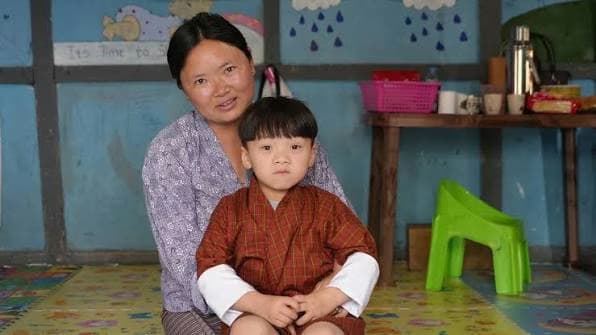
Supporting parents has emerged as a pivotal strategy to enhance children's well-being and development. Recent research underscores the profound impact of empowering caregivers on family dynamics and child mental health. 🌟
The Rising Need for Family Support
In Bhutan, there has been a noticeable increase in the demand for mental health and psychosocial support among parents and caregivers. This trend is evident from the soaring number of calls to the PEMA Helpline and counseling services accessed at Jigme Dorji Wangchuck National Referral Hospital. The calls numbered over 2,065 in one year, with 869 individuals seeking counseling. 🏥
The issues reported range from mental health concerns and marital difficulties to gender-based violence. Such data highlights the urgent need for robust family support services to improve children's overall development and well-being.
School-Based Interventions
The Ministry of Education and Skills Development, in collaboration with UNICEF, has launched the Helping Adolescents Thrive (HAT) program. This initiative, now operational in 166 schools, is designed to provide school-based support through counselors and wellbeing focal teachers. 🎓
To date, the HAT program has reached 19,520 caregivers, offering them practical skills to handle stress and build resilience. The program's success is evident as 252 caregivers have sought direct support from school counselors, addressing concerns about children's academic performance, behavior, and mental health.
Maternal Mental Health Screening
Health facilities in Bhutan have strengthened maternal mental health screening processes. These screenings are crucial for identifying mothers experiencing anxiety, depression, or psychological distress, allowing for timely referrals to appropriate support services. This proactive approach aims to foster healthier family environments, which are essential for children's growth. 🏡
The Impact of Positive Parenting
A study published in The Lancet Global Health evaluated Bhutan's implementation of UNICEF's Caring for the Caregiver program. This initiative, in partnership with MoESD, equips parents with skills to manage stress and create nurturing home environments. Findings revealed that participants experienced lower stress levels, improved mental health, and stronger relationships with their children. 📊
UNICEF Representative Rushnan Murtaza emphasized that supporting parents is crucial for improving children's well-being. “Parenting is one of the most important influences on a child’s well-being,” he stated, highlighting the importance of equipping caregivers with practical skills and access to necessary support.
Broader Implications and Future Directions
The increasing demand for caregiver support aligns with global trends recognizing the importance of family-centered approaches in child development. Bhutan's nationwide OnMyMind campaign further underscores the significance of placing parents at the center of mental health improvement efforts. 🌍
Looking ahead, UNICEF and its partners plan to continue investing in caregiver support programs. These efforts aim to promote positive parenting practices and enhance access to quality mental health services, ensuring that children and adolescents receive timely support both at home and in schools.
Conclusion
In conclusion, improving children's mental health requires a holistic approach that goes beyond expanding services for young people alone. By empowering parents and caregivers, Bhutan is paving the way for healthier families and better developmental outcomes for children. The evidence is clear: supporting parents not only benefits them but also significantly boosts the well-being of their children. 💪
As Bhutan continues to integrate these findings into its policies and programs, the future looks promising for the nation's children and families. This comprehensive approach serves as a model for other countries aiming to enhance child development and family well-being.
You May Also Like
Health
Mental Health: A Shared National Responsibility
August 29, 2026

Health
Mongar Mother and Child Hospital Handover: Ending Years of Healthcare Delays
August 26, 2026
Health
Behind Every Statistic: Understanding Human Impact in Health
August 26, 2026
Health
Breaking the Cycle: Understanding Relapse in Recovery
August 22, 2026