Category:
NewsRising Rents Widen Inequality in Urban Bhutan
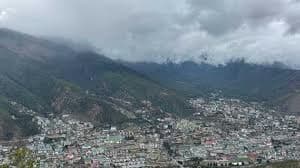
Urban Bhutan's Housing Dilemma 🌆
The picturesque cities of Bhutan are facing a mounting crisis: a shortage of affordable housing is exacerbating inequality and placing immense pressure on urban dwellers. As rents continue to rise, the dream of affordable living slips further away for many Bhutanese families.
The Deepening Crisis 📈
In urban centers like Thimphu, Paro, and Phuentsholing, the rental market has become increasingly unforgiving. With rent constituting over 80% of household expenses, many families find themselves financially strained, living paycheck to paycheck. The 2025 Household Consumption and Expenditure Survey underscores this reality, highlighting that urban housing costs have surpassed affordability benchmarks.
Supply and Demand Imbalance ⚖️
The core issue lies in the persistent supply-demand imbalance. While urban migration continues to surge, fueled by rural-to-urban shifts, the construction of new, affordable housing units lags behind. Projects like the Green and Resilient Affordable Housing Sector Project, supported by the Asian Development Bank, aim to alleviate this pressure, but delays and limited land availability hinder progress.
Economic Implications and Social Impact 💼
High housing costs are not just a financial burden; they have far-reaching social implications. Families are forced to allocate significant portions of their income to rent, leaving little for essentials like food and education. This economic strain risks creating a cycle of intergenerational poverty, as children may need to work, impacting their educational opportunities.
Inflation and Economic Pressure 📊
Bhutan's inflation rate, which stood at 5.61% as of February, compounds the problem. Housing and utility costs have risen sharply, further eroding purchasing power. In Thimphu, where inflation rates reached 6.93%, the cost of living continues to climb, impacting the financial stability of residents.
Calls for Policy Intervention 📜
Amidst these challenges, there is growing demand for stronger tenant protections. The Tenancy Act of Bhutan 2015 allows for rent increases but lacks robust enforcement mechanisms. Renters are calling for government intervention to regulate rent hikes more effectively, ensuring that housing remains accessible for all.
Addressing the Root Causes 🏗️
Experts emphasize the need for strategic intervention to balance affordability with financial stability. Increasing the housing supply is essential, but it must be carefully managed to prevent financial risks, particularly in the banking sector, where housing accounts for a significant portion of credit.
Looking Forward 🌟
To address Bhutan's housing crisis, a multifaceted approach is needed. This includes accelerating the construction of affordable housing, enforcing tenant protections, and ensuring economic policies align with the realities of inflation. As Bhutan continues to grow, addressing these issues will be crucial to ensuring a prosperous and equitable urban future.
In conclusion, the rising rents in urban Bhutan highlight broader socioeconomic challenges that require immediate attention. By fostering a more balanced housing market, Bhutan can pave the way for a more inclusive and sustainable urban environment.
You May Also Like
News
Women Entrepreneurs Master AI and Digital Tools in Phuentsholing
September 1, 2026
News
Can Samtse Keep Up With Its Growing Workforce?
August 29, 2026
News
Nepal Flood Exposes Critical Gaps in Bhutan's Early Warning Systems
August 29, 2026
News
High Court Overturns Acquittal: Doctor Sentenced to 10 Years for Child Sexual Abuse
August 29, 2026