Category:
EconomyPublic Servants Struggle with Housing Costs
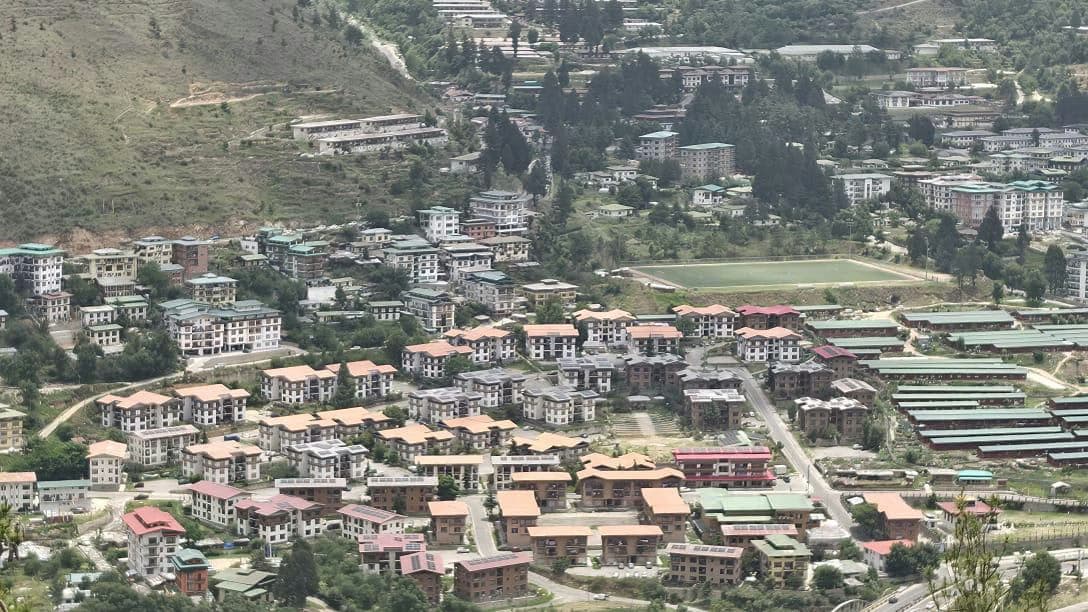
The Housing Dilemma: Allowances vs. Market Reality
In Bhutan, the chasm between government housing allowances and escalating rental prices has widened, leaving many public servants in a financial bind. The House Rent Allowance (HRA), introduced in 2015, was designed to aid civil servants but has not kept pace with the dynamic rental market. As a result, public sector employees are increasingly burdened with out-of-pocket expenses to cover their housing needs.
Historical Context and Current Challenges
The HRA was initially set at 20% of the minimum revised pay scale, with a flat rate of Nu 3,500 for lower-level employees. However, this figure has remained static, despite significant increases in rental prices over the years. According to industry trends, rental costs have surged by over 60% since the HRA's inception, greatly outpacing the allowances provided.
A senior civil servant noted, "The current HRA does not align with market rates, and neither civil servants nor the government has initiated a review despite the growing burden of housing costs." This disconnect highlights a critical issue: the allowances are not indexed to market fluctuations or inflation, leaving public servants vulnerable to the whims of the housing market.
Economic Implications and Broader Trends
The inadequacy of the HRA is part of a broader economic challenge facing Bhutan. Rising property prices, high lending rates, and stagnant wages have made home ownership an elusive dream for many. Over 80% of urban residents depend on rentals, exacerbating the demand and driving prices higher.
Private-sector employees face an even harsher reality, with minimal or no housing allowances, compelling them to share accommodations or reside in peri-urban areas where rents are lower.
Government's Stance and Future Prospects
The Ministry of Finance (MoF) acknowledges the issue but emphasizes that any HRA adjustments must consider broader fiscal sustainability and pay parity. "While rental prices are influenced by market conditions and may increase over time, remuneration for civil servants is reviewed holistically," stated an MoF official.
The government is monitoring economic conditions closely, but no timeline has been set for a HRA review. Factors such as inflation, labor market competitiveness, and government revenue performance will play a crucial role in any future revisions.
The Path Forward: Balancing Act
To address the housing affordability crisis, a multi-faceted approach is necessary. This includes:
- Regular Reviews: Implementing systematic reviews of the HRA to ensure it reflects current market conditions.
- Policy Reforms: Aligning public sector compensation with economic realities to maintain competitiveness and fiscal sustainability.
- Market Interventions: Exploring rent control measures and incentives for affordable housing development.
Conclusion: A Call for Strategic Action
The issue of housing allowances lagging behind rental costs is not just a numbers game; it affects the livelihood and morale of public servants. As Bhutan navigates these challenges, a strategic, responsive approach is needed to ensure that public sector employees are not left footing the bill for a problem that requires systemic solutions.
In conclusion, while the government remains committed to fair and competitive remuneration, the pressing need for a revised housing allowance structure is clear. As events unfold, stakeholders must work collaboratively to bridge the gap between allowances and living costs, ensuring a sustainable future for public servants across Bhutan.
You May Also Like
Economy
Building a Thriving Business Ecosystem: Beyond Survival
October 21, 2026

Economy
Local Fruit Farmers Battle Market Access Crisis
October 21, 2026
Economy
Proving Commercial Viability: The Key to Attracting Investors
October 19, 2026
Economy
Seven Women-Led Businesses Transform Bhutan's Economy
October 19, 2026