Category:
PoliticsPay Revision Bill Set for Parliamentary Deliberation
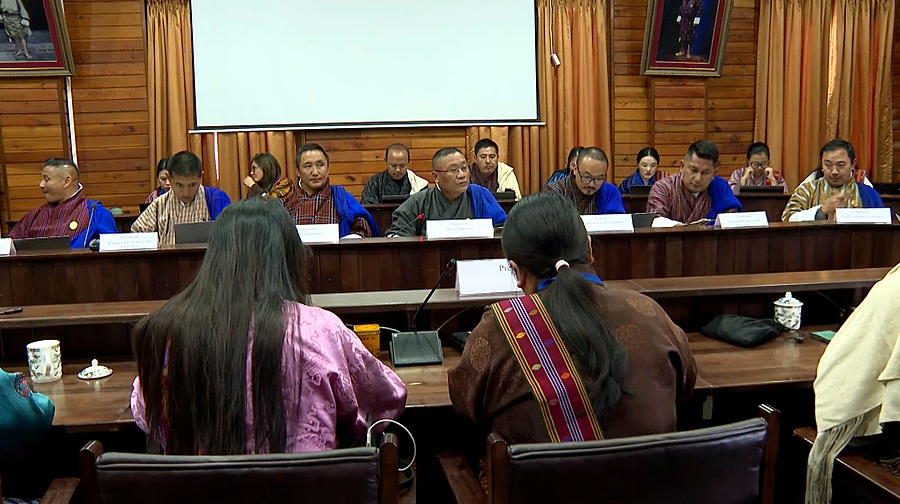
Government Employees Await Long-Anticipated Salary Adjustments 💼
Bhutan's legislative calendar is set to address one of the most anticipated matters facing the nation's workforce. The upcoming Sixth Session of the National Assembly will feature comprehensive deliberations on the Pay Revision Bill, marking a significant moment for government employees who have been awaiting clarity on their compensation adjustments. The announcement of the specific salary increase percentage and implementation details will come when the Finance Minister formally presents the proposal to Parliament on December 3rd, setting the stage for what could be transformative changes across the public sector.
The timing of this legislative agenda reflects Parliament's commitment to addressing workforce compensation in a structured, transparent manner. Rather than implementing changes through executive decree, the deliberate parliamentary process ensures that all stakeholders can voice concerns, ask critical questions, and contribute to decisions that will ripple through Bhutan's economy.
Understanding the Parliamentary Process 📋
Timeline and Expected Adoption
The legislative schedule indicates that formal adoption of the Pay Revision Bill is anticipated to occur in January, following thorough parliamentary deliberations. This measured approach allows members of Parliament to engage with financial projections, economic implications, and departmental impact assessments before casting their votes.
Parliamentary leadership confirmed during a recent press conference that this timeline reflects the complexity of balancing fiscal responsibility with employee welfare. The Economic and Finance Committee Chairperson, Kuenzang Thinley, emphasized that any proposed salary adjustment must align with the nation's financial capacity while considering broader economic implications.
Consultation Framework
Before Parliament makes final determinations on the revision, comprehensive consultations will engage multiple stakeholders. These discussions will involve relevant government agencies, the Pay Commission, and representatives from sectors affected by the adjustment. This inclusive approach ensures that decisions reflect diverse perspectives and account for cascading economic effects.
The consultation process also recognizes that a government pay revision doesn't exist in isolation—it influences private sector salary expectations, consumer spending patterns, and overall economic dynamics throughout Bhutan.
The Broader Economic Context 📊
Inflation's Persistent Challenge
While government employees anticipate salary improvements, a more complex economic reality complicates the narrative. Rising prices and persistent inflationary pressures are affecting Bhutanese citizens across all employment categories, creating urgency around the pay revision discussion. The salary adjustment, while significant for government workers, represents only one piece of a larger economic puzzle that Parliament must navigate.
Deputy Speaker Sangay Khandu highlighted during parliamentary discussions that inflation impacts everyone regardless of employment status. Farmers, small business operators, and informal sector workers face particular vulnerability, as they lack the structured salary adjustments that government employees receive.
Price Monitoring and Consumer Protection
Parliament has been actively discussing mechanisms to control rising prices and protect consumers from exploitative pricing practices. The legislative body has called on citizens to report instances where goods are being sold at excessively high prices, emphasizing that monitoring organizations exist specifically to address such violations.
Strict regulatory frameworks and policies are already in place to address pricing violations, but enforcement depends partly on consumer participation. This collaborative approach between government oversight and citizen vigilance represents Parliament's strategy for combating inflation's most damaging effects.
Private Sector Considerations 🏢
Limited Government Authority
The Deputy Speaker clarified an important distinction: private sector businesses operate with considerable independence regarding salary decisions. Government authority over private sector compensation remains limited by market dynamics and individual business capacity. However, historical precedent suggests that private employers often follow the government's lead during salary revision cycles, particularly when their financial positions allow.
Some private sector employers have voluntarily adjusted employee compensation following previous government pay revisions, recognizing that competitive salaries are necessary for talent retention. This voluntary alignment, rather than mandatory regulation, reflects Bhutan's market-oriented approach to private sector labor relations.
Potential Economic Ripple Effects
The impending pay revision could catalyze broader salary discussions throughout Bhutan's private sector. Employees in private companies may reference government salary adjustments when negotiating their own compensation, potentially creating upward pressure on private sector wages. Whether employers can accommodate such adjustments depends entirely on individual business profitability and market conditions.
The Legislative Agenda Beyond Pay Revision 📑
Comprehensive Parliamentary Session
The Sixth Session encompasses far more than the Pay Revision Bill. Parliament will also introduce the Mines and Minerals Bill 2026, representing a significant legislative development five years after a previous version encountered disagreement between the two parliamentary houses. This reintroduction reflects renewed consensus and refined approaches to mining sector regulation.
Critical Action Items
Parliament will review multiple action-taken reports and committee findings addressing pressing national concerns:
- Zero-Tolerance Policy on Pornographic and Violent Online Content — Implementation and effectiveness assessment
- Water Infrastructure — Reports on irrigation and drinking water systems
- Early Childhood Development — Strengthening facilities and services across the nation
- Civil Service Evaluation — MaX Performance Evaluation System for government employees
- Financial Planning — Budget Report for the 2026–2027 fiscal year
- Performance Audits — Assessments of CARLEP and the Waste Prevention and Management System
Child Protection and Legislative Priorities ⚖️
Addressing Violence Against Children
Parliament's agenda also reflects growing concern about child safety following recent incidents. The Women, Children and Youth Committee Chairperson, Lhaba Lhaba, indicated that tougher penalties for violence against children will be pursued through government legislation. The Office of the Attorney General will lead efforts to introduce proposed changes as a formal government bill through Cabinet processes.
These initiatives require careful examination of the Penal Code of Bhutan to ensure that legal frameworks adequately protect vulnerable populations while maintaining proportionate justice principles.
Looking Ahead: Session Timeline ⏰
The Sixth Session of the Fourth Parliament commences on Thursday and continues through the 28th of the following month, providing an extended deliberation period for these significant matters. This timeframe allows Parliament to give adequate attention to complex legislative items rather than rushing through critical decisions.
Key Takeaways 🎯
The forthcoming parliamentary session represents a pivotal moment for Bhutanese governance. The Pay Revision Bill addresses legitimate employee compensation concerns while Parliament simultaneously grapples with broader economic challenges including inflation management and consumer protection. The inclusive consultation process, private sector considerations, and comprehensive legislative agenda demonstrate Parliament's commitment to balanced policymaking that considers multiple stakeholder perspectives.
As the nation awaits the Finance Minister's presentation of specific salary adjustment proposals, citizens can expect a thorough, transparent deliberation process that reflects Parliament's dedication to evidence-based decision-making. Whether the final pay revision emerges as modest or substantial, the parliamentary process itself reinforces democratic governance principles that characterize Bhutan's legislative system. 🌟
You May Also Like
Politics
GMC and Democracy: Building Bhutan's Dual Future
November 7, 2026

Politics
Women's Caucus Forms Interim Committee to Advance Women in Politics
October 29, 2026
Politics
ECB's Second FLT: Local Government Hopefuls Get Fresh Opportunity
October 28, 2026
Politics
Parliamentary Oversight of Bureaucratic Power: A Democratic Imperative
October 24, 2026