Category:
EconomyNavigating Urban Living Costs in Bhutan
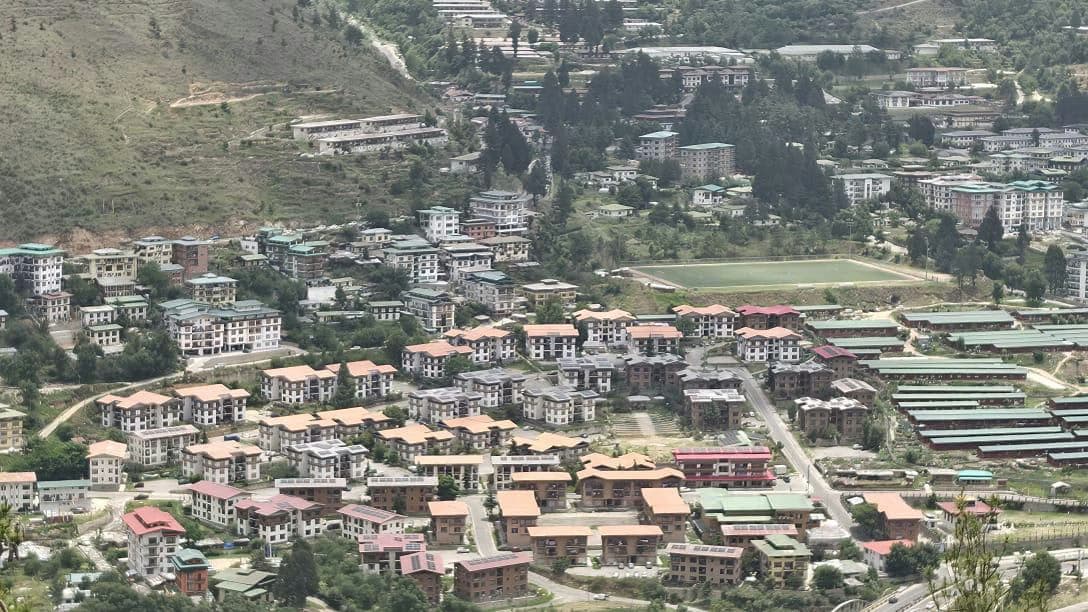
Living in the capital city of Bhutan, Thimphu, presents a unique set of challenges when it comes to the cost of living. As the city expands and modernizes, the demand for affordable housing has skyrocketed, placing significant pressure on residents from all walks of life.
The Growing Housing Dilemma 🏠
Thimphu, once confined between Ngabirongchhu in the south and Changtagang in the north, has expanded considerably. Despite the construction boom, rents remain high, creating a daunting environment for both newcomers and long-term residents. The demand for housing vastly outpaces supply, driving prices to unprecedented levels.
The Ripple Effect of Urbanization 📈
With Bhutan's urban population projected to reach 50% by 2050, primarily in Thimphu, the government faces the urgent task of planning sustainable housing solutions. This urban migration is partly fueled by the desire for proximity to essential services such as the national referral hospital and major cultural events at Kuenselphodrang.
Economic Pressures and Housing Allowances 💸
For civil and public servants, housing allowances provide some relief, but they fall short of covering the ever-increasing rental costs. A Support Level 3 employee receives a monthly allowance of Nu 3,500, yet even the smallest apartments start at around Nu 8,000. This gap highlights the inadequacies of the current system in addressing inflation and rising living costs.
Challenges in the Private Sector 🏢
Those working in the private and informal sectors face even greater challenges, as they often lack any form of housing support. The government's low-cost housing initiatives have primarily benefited low-salaried civil servants, leaving many in the private sector to fend for themselves in an increasingly competitive market.
Policy and Governance: A Call to Action 📜
The Tenancy Act of 2005, intended to regulate rent increases, is often disregarded. Cases like the Chang Jiji housing colony, where rents have surged by 135% since 2016, underscore the need for robust enforcement and revision of housing policies.
Moving Towards Sustainable Solutions 🌍
To address these issues, policymakers must prioritize affordable housing as a national agenda. Relying solely on private developers is insufficient. Government intervention is crucial to stabilizing and potentially reducing housing costs, ensuring that urban living remains accessible to all.
Conclusion: The Path Forward 🔍
As Thimphu continues to grow, the need for comprehensive and equitable housing solutions becomes more pressing. By treating urban housing as a national priority, Bhutan can pave the way for a more balanced and sustainable future, benefiting both current and future generations.
In conclusion, while the challenges of living in Thimphu are significant, they are not insurmountable. Through strategic planning and policy intervention, Bhutan can mitigate the high cost of living and create a fairer, more inclusive urban environment.
You May Also Like
Economy
Building a Thriving Business Ecosystem: Beyond Survival
October 21, 2026
Economy
Local Fruit Farmers Battle Market Access Crisis
October 21, 2026
Economy
Proving Commercial Viability: The Key to Attracting Investors
October 19, 2026
Economy
Seven Women-Led Businesses Transform Bhutan's Economy
October 19, 2026