Category:
NewsNA Holds Off on Building Height Increase in Yenlag Throm
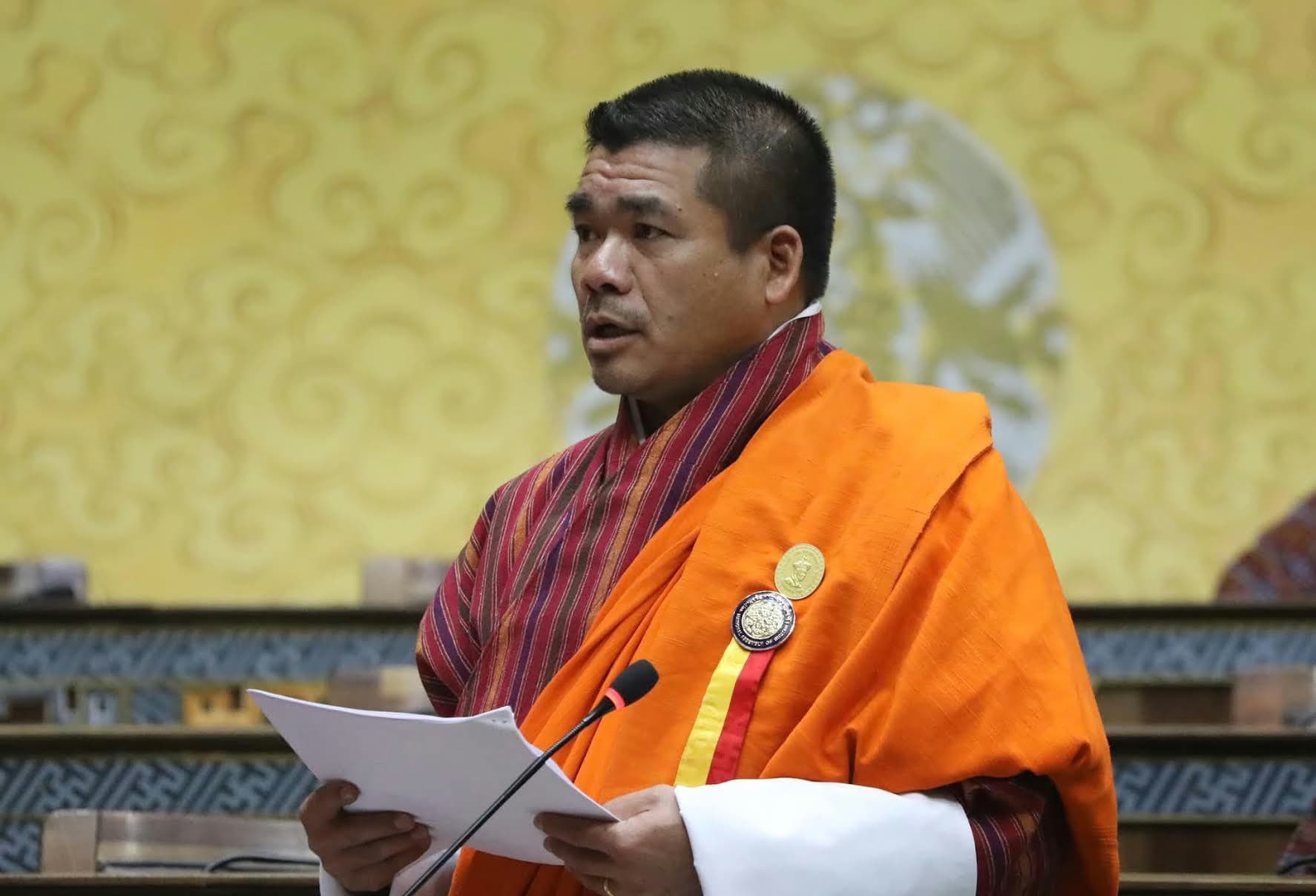
Amid a landscape of evolving urban development challenges, the National Assembly (NA) of Bhutan has decided to postpone deliberations on a pivotal proposal to raise building storeys in Dzongkhag Yenlag throms, or satellite towns, from three to five. This decision follows a comprehensive debate highlighting the complexities of urban planning in Bhutan. 🚧
An Overview of the Decision
The NA's decision to defer arises from a need for detailed assessment and planning. Speaker Lungten Dorji has directed the Ministry of Infrastructure and Transport (MoIT) to conduct thorough evaluations. The aim is to establish site-specific regulations that consider each urban center’s unique conditions and development potential. This approach underscores Bhutan’s commitment to sustainable urban growth, emphasizing the importance of tailored planning over blanket policies.
The Importance of Spatial Plans 🌍
Spatial planning is at the heart of this issue. According to MoIT Minister Chandra Bahadur Gurung, spatial plans for ten Yenlag throms have already been established. These plans are pivotal in promoting planned human settlements and ensuring infrastructure capacity meets future demands. The ministry is also tasked with reviewing existing plans and preparing new ones for other areas, a move aimed at optimizing urban expansion while preserving Bhutan’s cultural and environmental integrity.
Challenges in Urban Development 🏗️
Several challenges complicate the increase in building heights. Key concerns include infrastructure capacity, safety standards, and the social impacts of higher-density developments. The current regulations, established by the Bhutan Building Regulations (BBR) 2023, allow up to three storeys based on infrastructure capacity and population projections. These regulations aim to balance growth with safety, particularly in a region prone to seismic activities.
Economic Considerations 💸
Economic factors also weigh heavily in the decision-making process. As noted by Drametse-Ngatshang MP Kinzang Wangchuk, inconsistencies in implementing attic and basement provisions complicate housing investments. Furthermore, the ability of borrowers to repay housing loans is a critical consideration. While additional storeys could potentially increase loan amounts, they also raise questions about financial feasibility and repayment capabilities.
Broader Implications on Urban Planning
The deferment of this proposal sheds light on broader trends in Bhutan’s urban planning landscape. With Yenlag throms regarded as secondary growth centers, the focus remains on enhancing these areas to serve nearby rural settlements effectively. This involves addressing no-construction zones, securing infrastructure funding, and optimizing urban services before considering increased density.
A Strategic, Sustainable Approach
Minister Chandra Bahadur Gurung emphasizes that infrastructure development and urban service improvement must precede any increase in building density. The ministry is actively working with local governments, communities, and service providers to ensure a holistic approach to urban planning. This includes resolving issues related to precinct nomenclature and the Road Right of Way along national highways.
Looking Ahead: Next Steps and Considerations 🔮
As the NA defers the decision, the focus shifts to future parliamentary sessions where the MoIT will report on progress. The emphasis will be on comprehensive geotechnical studies, hazard mapping, and infrastructure assessments to inform future policies. The outcome of these deliberations could redefine Bhutan’s urban landscape, balancing the need for growth with the preservation of cultural and environmental values.
Conclusion: A Path Forward
The deferment on increasing building heights in Yenlag throms illustrates the NA’s commitment to thoughtful, sustainable urban development. As Bhutan navigates these challenges, the integration of detailed spatial planning and community engagement will be crucial. By prioritizing tailored solutions over blanket policies, Bhutan continues to set a precedent for sustainable urban growth that respects both its people and its natural heritage. 🌿
You May Also Like
News
Women Entrepreneurs Master AI and Digital Tools in Phuentsholing
September 1, 2026
News
Can Samtse Keep Up With Its Growing Workforce?
August 29, 2026
News
Nepal Flood Exposes Critical Gaps in Bhutan's Early Warning Systems
August 29, 2026
News
High Court Overturns Acquittal: Doctor Sentenced to 10 Years for Child Sexual Abuse
August 29, 2026