Category:
NewsNA Extends Potato Marketing Debate as Farmers Struggle
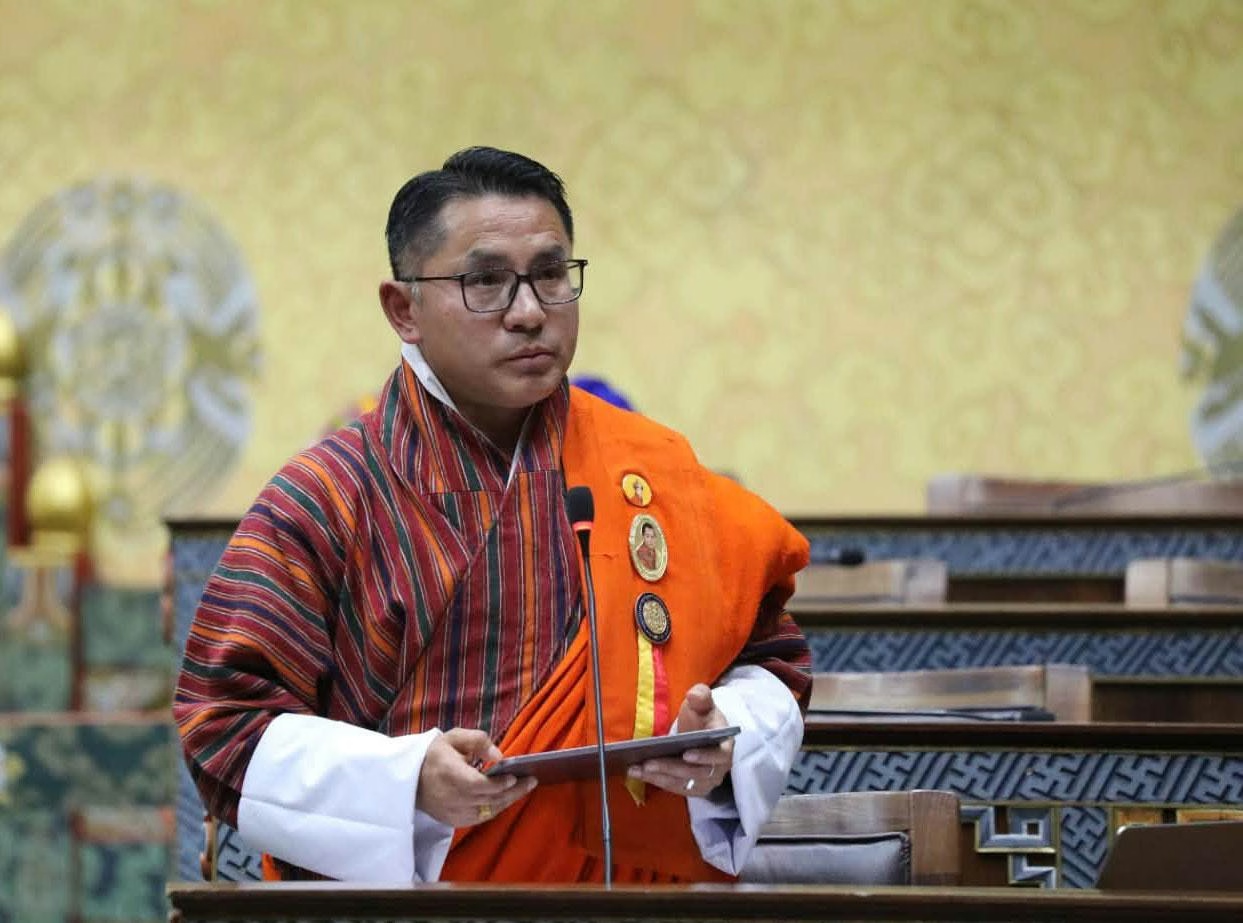
The Growing Crisis in Bhutan's Potato Sector 🥔
Bhutan's agricultural landscape is facing a critical juncture as the National Assembly grapples with an escalating potato marketing crisis that threatens the livelihoods of countless farmers across the nation. The decision to extend parliamentary debate on this pressing issue reflects the complexity and urgency surrounding potato production and sales in the country.
What began as a two-hour discussion proved insufficient to address the multifaceted challenges confronting the agricultural community. The extended debate scheduled for December 7 signals Parliament's commitment to finding comprehensive solutions, yet it also underscores how deeply entrenched the potato marketing problem has become within Bhutan's economic framework.
Understanding the Root Causes of Potato Marketing Challenges 📊
The potato marketing crisis stems from several interconnected factors that have systematically weakened farmers' bargaining positions. At the heart of the problem lies a fundamental market imbalance—farmers face a severely limited pool of buyers, particularly during peak harvest seasons when supply surges dramatically.
This buyer-scarcity dynamic creates a precarious situation where agricultural producers cannot leverage competition to negotiate favorable prices. The Phuentsholing auction yard exemplifies this tension, with approximately 395 metric tonnes of potatoes awaiting auction at any given time, representing thousands of bags that remain unsold and vulnerable to spoilage or further price deterioration.
Farmers have become increasingly dependent on the Food Corporation of Bhutan Limited (FCBL), the primary government agency orchestrating potato auctions. While FCBL serves an essential function, this concentration of market power leaves producers with minimal negotiating leverage and exposes them to price fluctuations they cannot control.
The Price Support Gap: A Critical Vulnerability 💰
Unlike other agricultural commodities benefiting from protective mechanisms, potatoes lack a dedicated government price support or guaranteed pricing structure. This absence represents a significant vulnerability for farmers who face rising production costs driven by expensive fertilizers, agricultural inputs, and weed-control chemicals.
When market prices plummet below production costs—a scenario occurring with alarming frequency—farmers absorb substantial losses with no safety net. The Finance Minister noted that while the Price Guarantee Scheme exists for certain crops, funding constraints from the Economic Stimulus Programme have limited its expansion to include potatoes.
This protection gap forces farmers into a precarious economic position where they must sell at whatever prices the limited buyer market dictates, regardless of whether those prices cover their actual production expenses.
Parliamentary Recommendations: A Multi-Pronged Approach 🎯
The National Assembly's Special Committee on potato marketing has proposed an ambitious framework addressing supply-side, demand-side, and structural challenges simultaneously.
Key recommendations include:
- Price Guarantee Integration: Incorporating potatoes into the existing Price Guarantee Scheme to provide farmers with income protection
- Private Sector Mobilization: Encouraging greater private buyer participation to increase competition and reduce FCBL dependency
- Import Management: Implementing temporary import restrictions during periods of domestic oversupply and unfavorable export conditions
- Storage Infrastructure: Establishing procurement and storage mechanisms to manage seasonal gluts by purchasing surplus potatoes during harvest and releasing them during off-season periods
- Processing Development: Promoting value-added processing industries to absorb excess production and create alternative revenue streams
- Input Subsidization: Reducing production costs through targeted agricultural input subsidies
- Long-Term Strategic Planning: Developing comprehensive marketing strategies encompassing production planning, market intelligence, storage, processing, export promotion, and price stabilization
The Timeline Debate: Urgency Versus Practicality ⏰
Drametse-Ngatshang MP Kinzang Wangchuk proposed an aggressive timeline for government action, requesting concrete responses within specific deadlines. His proposal called for an immediate action plan within 14 days addressing unsold inventory, a comprehensive roadmap within one month covering market mobilization and procurement, and a decision on price guarantee inclusion within two months.
However, Agriculture and Livestock Minister Younten Phuntsho expressed skepticism about whether rigid deadlines would facilitate genuine problem-solving. The minister emphasized that while reports can be prepared quickly, identifying and implementing practical solutions requires more substantial timeframes for proper evaluation and coordination across multiple sectors.
This tension between political pressure for rapid action and administrative realities highlights the complexity of agricultural policy reform in Bhutan.
Cold Storage Capacity and Market Intelligence Gaps 🧊
Bhutan's existing cold storage infrastructure presents both opportunities and constraints. The country operates approximately 25 cold storage facilities, with FCBL managing eight facilities offering combined capacity of roughly 7,000 metric tonnes. Finance Minister Lekey Dorji raised important questions about whether current potato harvests can be accommodated within these facilities and whether expanding access to private entities might enhance storage utilization.
Home Minister Lungten Dorji highlighted another critical gap: insufficient market information access for farmers. Without reliable intelligence about buyer demand and market conditions, farmers transport produce to Phuentsholing without knowing whether prices justify transportation costs. Establishing direct connections between farmers and institutional buyers—schools, hospitals, government offices, and private enterprises—could dramatically reduce unnecessary logistics expenses while improving price certainty.
FCBL's Evolving Role in Agricultural Marketing 🏢
The Special Committee recommended that FCBL expand beyond its traditional role of organizing annual auctions. The agency should actively identify new buyers, develop sustained business relationships, explore international export opportunities, and facilitate forward contracts that provide farmers with price predictability.
This broader mandate would transform FCBL from a passive auctioneer into an active market development agent, though it would require additional resources, expertise, and institutional capacity.
Private Sector Participation: The Missing Ingredient 🤝
The limited number of auction participants directly correlates with farmers' weak bargaining power. Increasing private sector involvement in potato purchasing and marketing could introduce competitive dynamics that benefit producers. However, attracting private buyers requires demonstrating reliable supply chains, consistent quality standards, and predictable volumes—elements that current market structures struggle to guarantee.
Export Market Exploration: Beyond Borders 🌍
The government has initiated efforts to explore export markets in neighboring countries, recognizing that international sales could absorb surplus production during periods of domestic oversupply. However, these explorations remain preliminary, lacking concrete plans or committed partnerships. Developing viable export channels requires navigating regulatory requirements, establishing quality certifications, and building relationships with international buyers—all time-intensive endeavors.
The Broader Agricultural Context 📈
Bhutan's agricultural sector faces increasing pressure from rising input costs, climate variability, and changing consumption patterns. The potato marketing crisis represents a microcosm of broader challenges affecting agricultural sustainability. As younger generations migrate toward urban employment, agricultural labor availability continues declining, potentially constraining production expansion even if market conditions improve.
What Farmers Need Now 🌱
The immediate priority involves providing relief to farmers currently holding unsold inventory. Establishing emergency procurement mechanisms, accelerating cold storage access, and facilitating direct buyer connections could prevent catastrophic losses during the current season while longer-term structural reforms are implemented.
Farmers require multiple simultaneous interventions: price protection mechanisms, expanded market access, reduced production costs through input subsidies, and reliable market information systems. No single solution addresses the multifaceted nature of this crisis.
Looking Forward: The Path to Sustainable Solutions 🔮
The extended parliamentary debate signals genuine commitment to addressing potato marketing challenges, yet implementation will prove far more difficult than policy formulation. Success requires coordinated action across multiple government agencies, meaningful private sector participation, farmer engagement in solution design, and sustained political commitment beyond the current legislative session.
The December 7 debate will reveal whether Parliament can move beyond problem identification toward concrete action plans with adequate resource allocation and accountability mechanisms. Farmers across Bhutan anxiously await evidence that their struggles have finally captured sufficient political attention to generate meaningful, lasting change.
The potato marketing crisis ultimately reflects deeper questions about how Bhutan supports agricultural producers in an increasingly complex global economy. The answers Parliament develops will reverberate far beyond the potato sector, influencing agricultural policy frameworks for years to come.
You May Also Like
News
Bhutan Launches Skills Training for Retirees Amid Population Aging
November 18, 2026
News
How Safe Are Our Children Online? A Critical Analysis
November 18, 2026
News
Who Protects Children from Online Pornography?
November 18, 2026
News
Nganglam-Panbang Highway Delayed: New 2028 Completion Timeline
November 14, 2026