Category:
NewsKing Jigme Wangchuck: Patron of Aviation
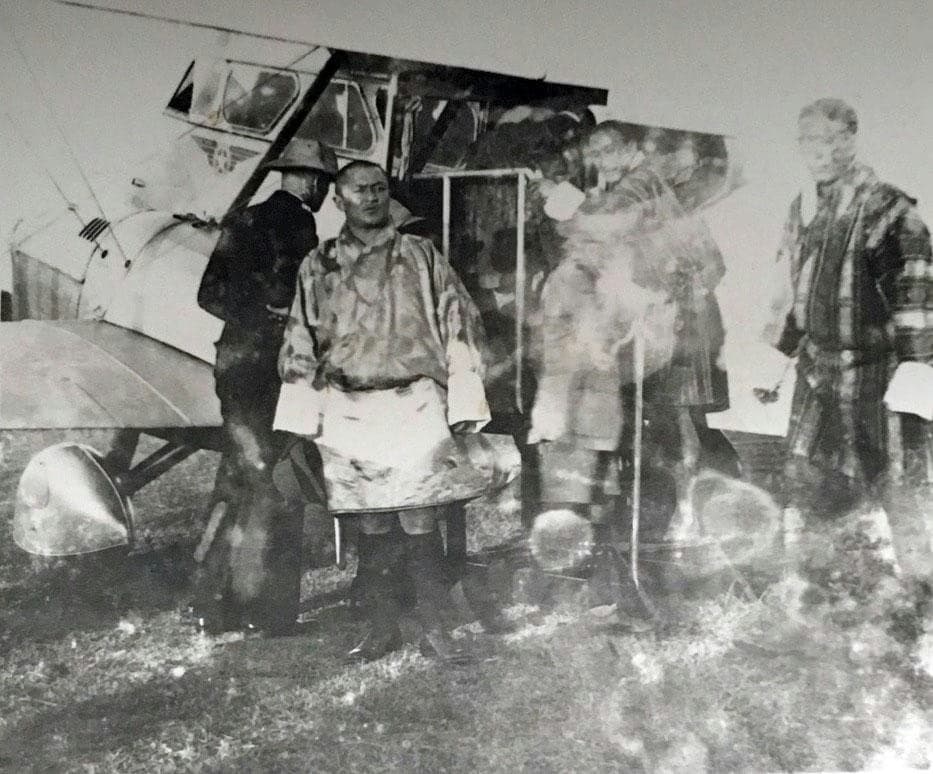
A Visionary King Takes Flight ✈️
In a pivotal moment for Bhutan's modern history, King Jigme Wangchuck's patronage of the Bengal Flying Club marked a significant leap forward. This bold move in 1935 symbolized a shift from Bhutan's traditional isolation towards a more connected future, embracing the burgeoning aviation scene of the time.
The Historical Context 🌏
Bhutan's Strategic Isolation
For centuries, Bhutan maintained its sovereignty through a policy of self-imposed isolation, using its natural barriers to protect its independence. However, the early 20th century saw a need for change as global dynamics shifted. This was a period when aviation was becoming a symbol of modernity and progress.
A Royal Visit to Calcutta 🌆
In the winter of 1934-35, King Jigme Wangchuck, along with his Queen and the young Crown Prince, embarked on a landmark visit to Calcutta. This was a significant diplomatic gesture, opening Bhutan to new influences and ideas. The visit included a pivotal flight experience at Dum Dum Airport, fostering the King's interest in aviation.
The Bengal Flying Club: A Hub of Aviation 🚁
Founded in 1929, the Bengal Flying Club was a cornerstone of aviation in British India. It attracted global attention and was a meeting point for aviation enthusiasts and pioneering aviators. King Jigme Wangchuck's patronage of the club was not only a diplomatic gesture but a strategic move to align Bhutan with the global 'air-mindedness' movement.
Why Aviation? 🚀
Aviation was more than just a technological advancement; it was a means to connect isolated regions and foster international relations. For Bhutan, it represented an opportunity to secure its future beyond its borders, ensuring its autonomy and growth in a rapidly changing world.
The Diplomatic Maneuver 🕊️
The King's engagement with the Bengal Flying Club was formalized swiftly, reflecting Bhutan's proactive diplomatic strategy. His patronage was sealed with a donation, a gesture that underscored Bhutan's commitment to international collaboration and innovation.
The Impact on Bhutan's Future ✨
This early investment in aviation laid the groundwork for Bhutan's future development. The King's vision was carried forward by his son, Jigme Dorji Wangchuck, who later established Bhutan's first airstrip in Paro with Indian assistance, marking the beginning of Bhutan's aviation industry.
Legacy of Air-Mindedness 🛫
King Jigme Wangchuck's foresight in embracing aviation has left a lasting legacy. It was a strategic move that highlighted Bhutan's capacity to adapt and thrive amidst global changes. His patronage of the Bengal Flying Club was not just about joining an elite circle; it was about positioning Bhutan as a forward-thinking nation.
The Path Forward 🛤️
Today, Bhutan continues to build on this legacy, integrating modern technology while preserving its rich cultural heritage. The King's decision in 1935 set a precedent for innovation and international cooperation, principles that continue to guide Bhutan's development strategy.
Conclusion: A Legacy in the Skies 🌌
King Jigme Wangchuck's patronage of the Bengal Flying Club was more than a historical footnote; it was a visionary act that charted a new course for Bhutan. His embrace of aviation exemplified a strategic foresight that would ensure Bhutan's sovereignty and progress. As Bhutan navigates the challenges of the 21st century, the King's legacy of air-mindedness remains a guiding light.
Through this historical lens, we see not just a king's interest in aviation but a deeper commitment to Bhutan's strategic and sustainable future.
You May Also Like
News
Women Entrepreneurs Master AI and Digital Tools in Phuentsholing
September 1, 2026

News
Can Samtse Keep Up With Its Growing Workforce?
August 29, 2026

News
Nepal Flood Exposes Critical Gaps in Bhutan's Early Warning Systems
August 29, 2026
News
High Court Overturns Acquittal: Doctor Sentenced to 10 Years for Child Sexual Abuse
August 29, 2026