Category:
NewsBoosted Surveillance in Lunana for Cordyceps Harvest
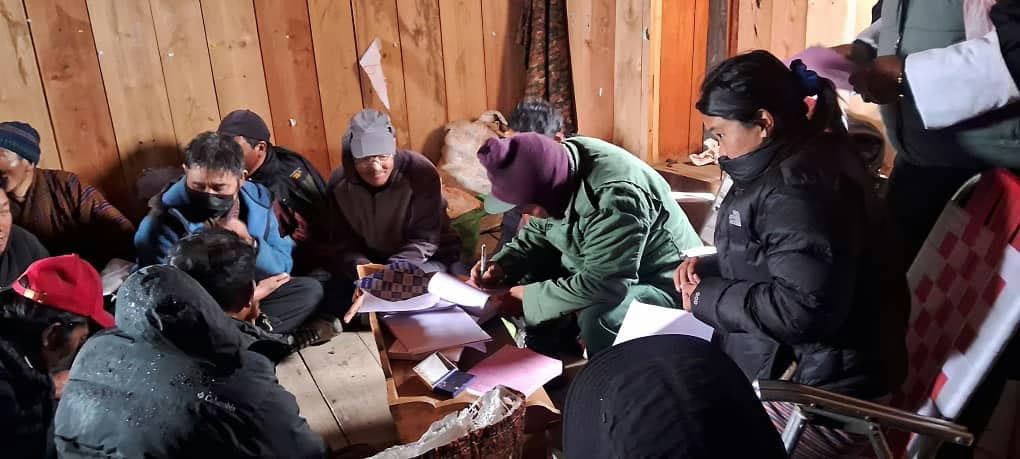
In the scenic yet remote highlands of Lunana, Bhutan, forestry officials have bolstered their surveillance efforts in response to the issuance of 549 permits for cordyceps collection. This fungus, often dubbed 'Himalayan Gold,' is not only economically significant but is also a cornerstone of local livelihoods. The collection season, regulated under the 2026 Cordyceps Collection Rules and Regulations, restricts harvesting to designated sites over a one-month period.
Cordyceps: A Precious Resource 🌿
Cordyceps, a prized fungus renowned for its medicinal properties, is harvested in the high-altitude regions of Bhutan. The demand for cordyceps, both domestically and internationally, has surged due to its purported health benefits, driving up prices significantly. In 2022, prices soared as high as Nu 2.851 million per kilogram, highlighting the economic stakes involved in the harvesting process.
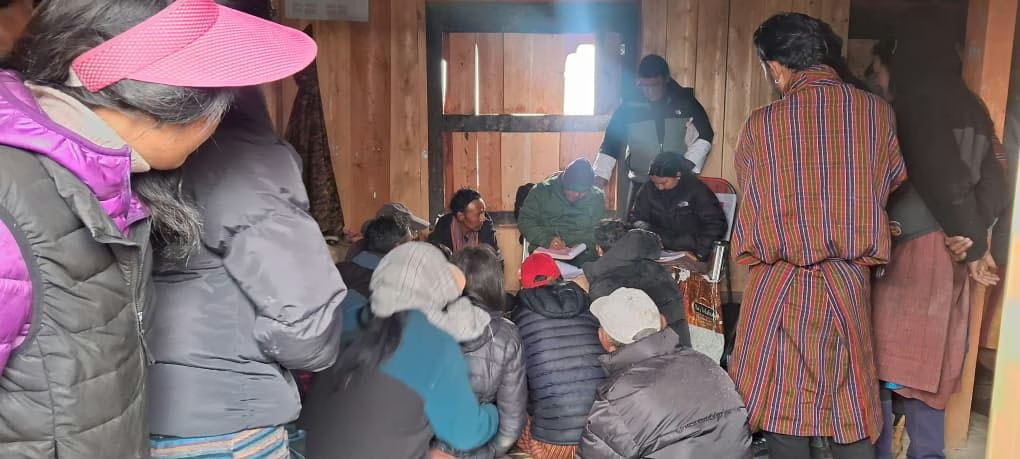
Challenges of Surveillance and Enforcement 🔍
The need for intensified surveillance stems from increasing reports of illegal trespassing, even before the official start of the harvesting season. Lunana, identified as a hotspot due to its remoteness and ecological value, experiences a bumper yield approximately every five years. This periodic abundance not only fuels local economies but also attracts unauthorized collectors, leading to conflicts and tensions.
Strategic Deployment of Forestry Officials
To address these challenges, 28 forestry officials have been strategically deployed across critical locations. These include Gangzhiphu, Tshokeyna, Fangu, and Kodak, which are significant due to their proximity to the cordyceps harvesting zones. This deployment is part of broader efforts to safeguard natural resources and ensure compliance with collection regulations.
Historical Context and Policy Evolution 📜
The legal framework governing cordyceps collection has evolved significantly. Following a Royal Command in 2004, residents in specific high-altitude regions were granted the legal right to harvest cordyceps. This marked a pivotal shift from the prior restriction that limited legal harvesting exclusively to the Lunana Gewog. Such policies aim to balance ecological preservation with economic development.
Economic Impact and Community Significance
The economic implications of cordyceps harvesting are profound. Revenue from this activity supports not only individual households but also entire communities. However, the lucrative nature of the trade has, at times, led to unfortunate incidents. In 2022, a fatal altercation occurred involving illegal collectors, underscoring the need for stringent enforcement measures.
Looking Forward: Sustainable Practices and Community Involvement 🛤️
To ensure the sustainability of this vital resource, ongoing efforts focus on regulating access and curbing unauthorized activities. Collaborative approaches involving local communities and law enforcement agencies are essential to mitigate disputes and promote sustainable harvesting practices.
Conclusion: A Balancing Act
The intensified surveillance in Lunana reflects a broader commitment to protecting Bhutan's natural resources while supporting the livelihoods of highland communities. As demand for cordyceps continues to grow, maintaining this delicate balance will be crucial to the region's economic and ecological future.
You May Also Like
News
Women Entrepreneurs Master AI and Digital Tools in Phuentsholing
September 1, 2026
News
Can Samtse Keep Up With Its Growing Workforce?
August 29, 2026
News
Nepal Flood Exposes Critical Gaps in Bhutan's Early Warning Systems
August 29, 2026
News
High Court Overturns Acquittal: Doctor Sentenced to 10 Years for Child Sexual Abuse
August 29, 2026