Category:
HealthInclusive Agri-Therapy Project Launches Pilot Phase in Mongar
🌱 Transforming Lives Through Agricultural Healing
Bhutan is pioneering an innovative approach to rehabilitation and mental health recovery by merging therapeutic practices with agricultural engagement. The Inclusive Agri-Therapeutic Rehabilitation Model represents a groundbreaking initiative that recognizes the profound healing potential of working with the land while supporting vulnerable populations across the nation.
This transformative project addresses a critical gap in rehabilitation services by creating meaningful livelihood opportunities for persons with disabilities, stroke survivors, and other marginalized communities. Rather than viewing agriculture and therapy as separate domains, this model seamlessly integrates both to foster holistic recovery and sustainable well-being.
🤝 Stakeholder Collaboration Drives Initiative Forward
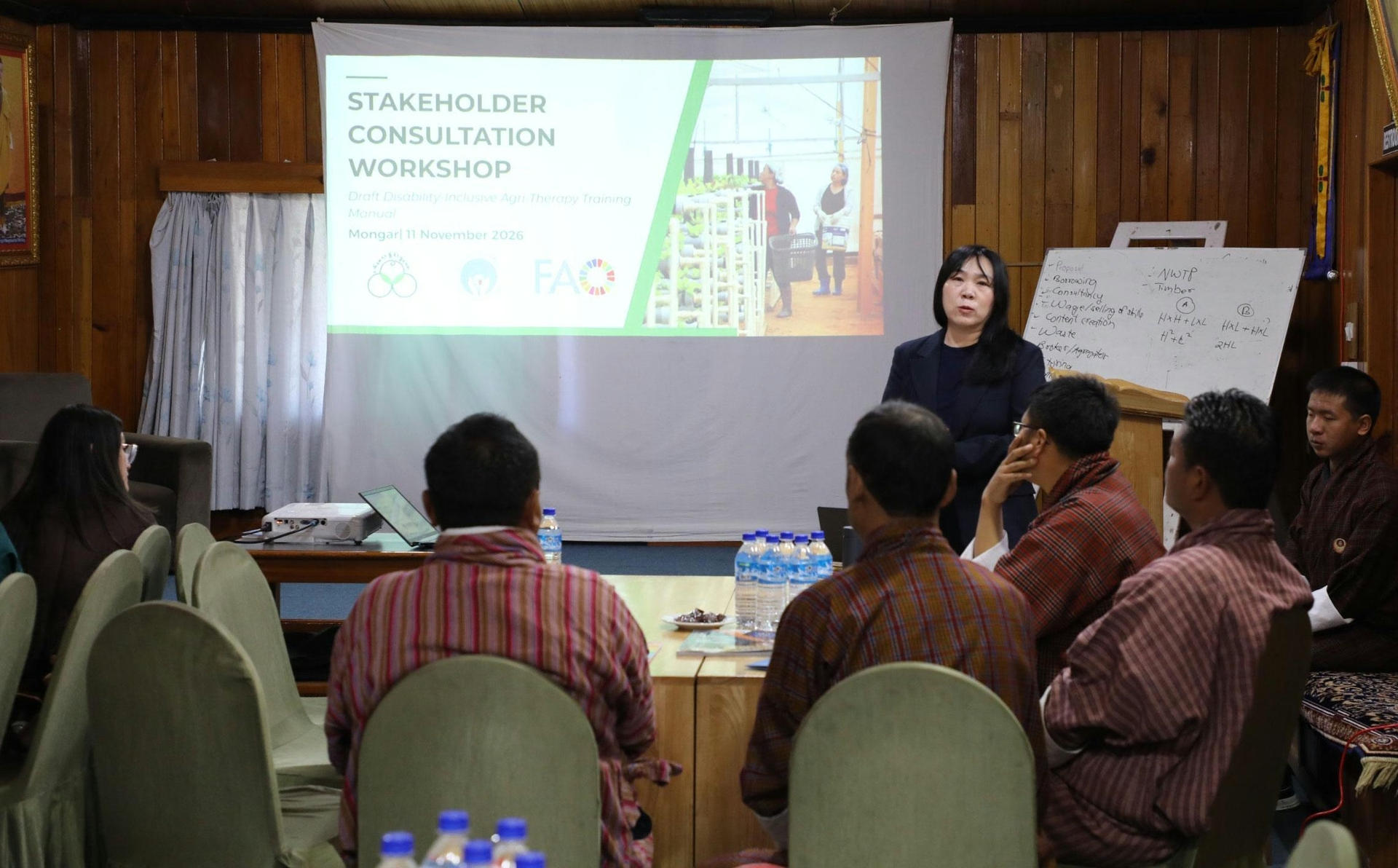
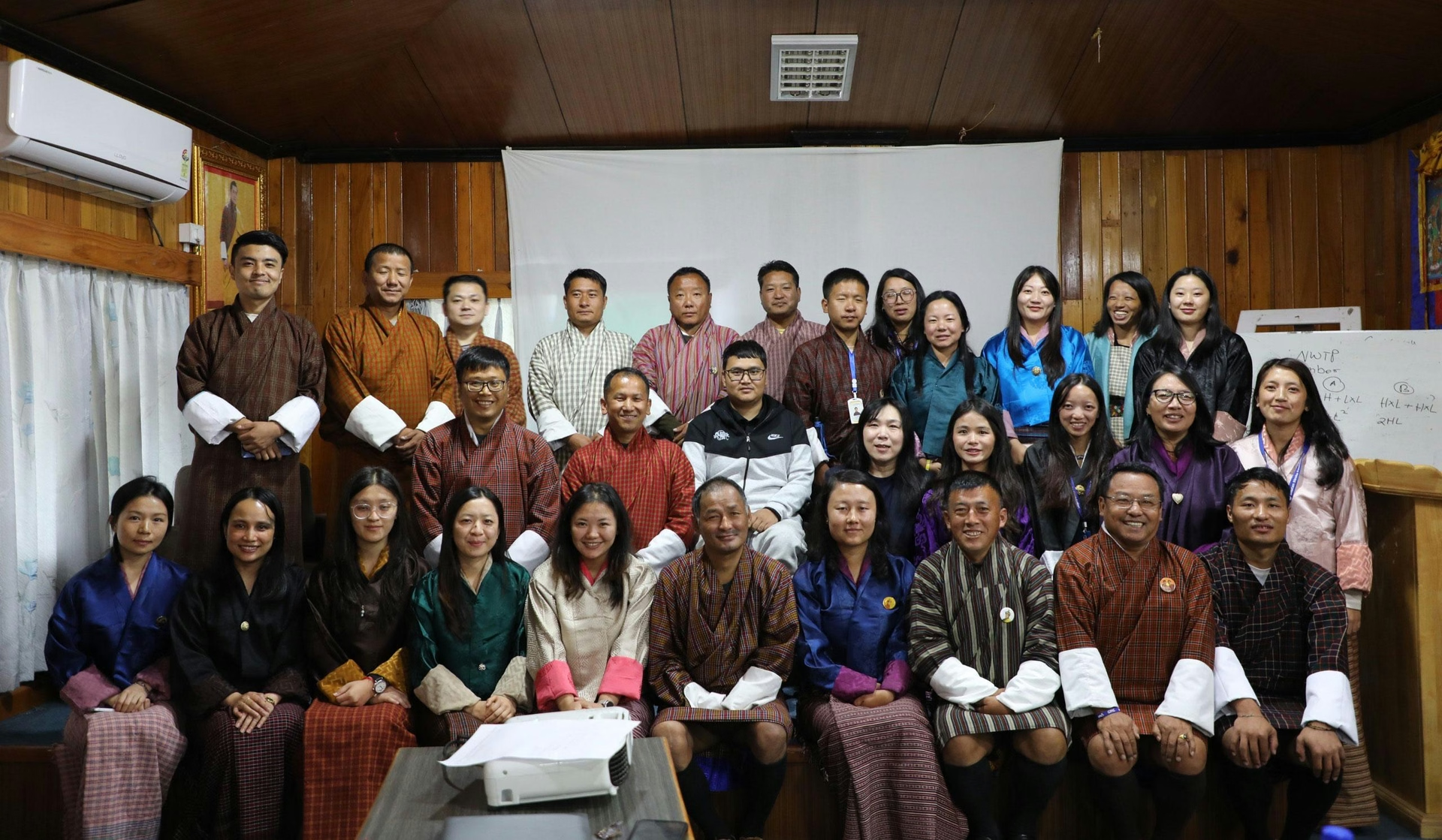
A significant milestone was recently achieved when more than 20 key stakeholders convened in Mongar for comprehensive consultations on the project's implementation framework. The gathering brought together an impressive coalition of government representatives, civil society organizations, rehabilitation specialists, agricultural professionals, and most importantly, members of the communities who will directly benefit from these services.
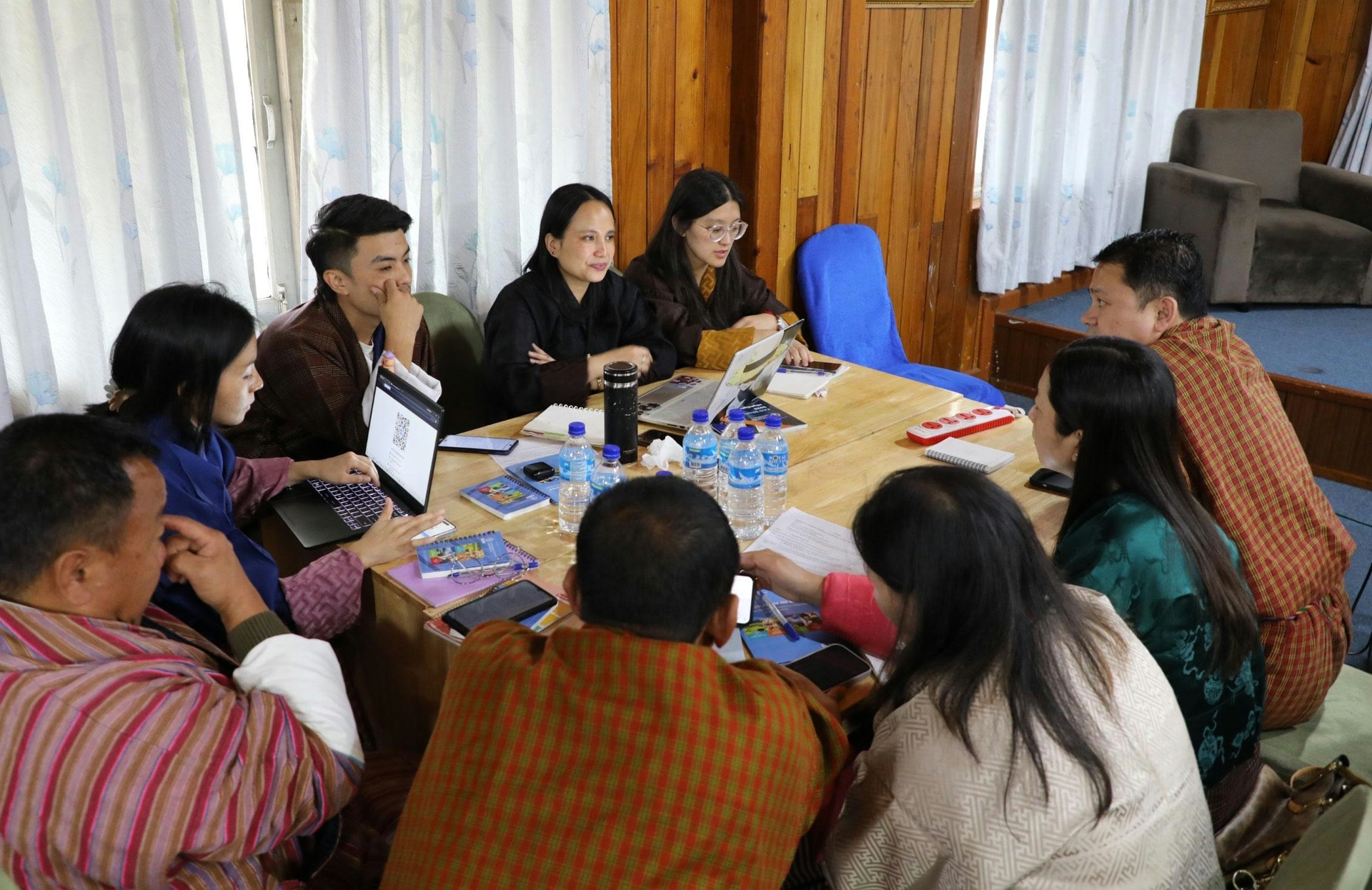
The Bhutan Stroke Foundation (BSF) orchestrated this collaborative effort with crucial support from the Food and Agriculture Organization of the United Nations (FAO). This partnership underscores the international recognition of Bhutan's innovative approach to integrating agricultural rehabilitation with therapeutic outcomes.
The formal project initiative, titled "Inclusive Agri-Therapeutic Approaches for Livelihoods and Vulnerable Youth," specifically targets:
- Persons with disabilities seeking productive engagement and economic independence
- Stroke survivors requiring specialized rehabilitation and recovery pathways
- Vulnerable youth lacking access to meaningful livelihood opportunities
- Communities affected by chronic illnesses needing gradual reintegration into society
📋 Technical Review and Strategic Planning
During the consultation, participants engaged in detailed examination of critical project documents, including the draft conceptual design and comprehensive site layout for the rehabilitation model. The Disability-Inclusive Agri-Therapy Training Manual underwent rigorous scrutiny to ensure practical applicability and cultural relevance.
Stakeholders evaluated the proposal across multiple dimensions:
- Technical Feasibility – Assessing whether proposed agricultural methods align with Mongar's climate and terrain
- Accessibility Standards – Ensuring facilities accommodate individuals with varying physical and mobility requirements
- Rehabilitation Relevance – Confirming therapeutic activities support documented recovery outcomes
- Implementation Practicality – Identifying real-world challenges and sustainable operational models
This comprehensive review process reflects Bhutan's commitment to evidence-based policy implementation and community-centered design principles. The feedback gathered will directly shape the final project specifications before the pilot rollout commences.
🌍 International Expertise Strengthens Project
The consultation benefited significantly from international technical guidance, particularly through the involvement of Ms. Tomomi Ishida, Lead Technical Officer from the FAO Regional Office for Asia and the Pacific. Her expertise in agricultural development and inclusive programming brought valuable global perspectives to Bhutan's localized context.
The FAO's involvement reflects growing international recognition that agriculture represents far more than food production—it serves as a powerful medium for social inclusion, mental health promotion, and economic empowerment. This perspective aligns with the United Nations Sustainable Development Goals, particularly those addressing health, well-being, and poverty reduction.
🏞️ Mongar's Drepong Gewog: A Healing Landscape
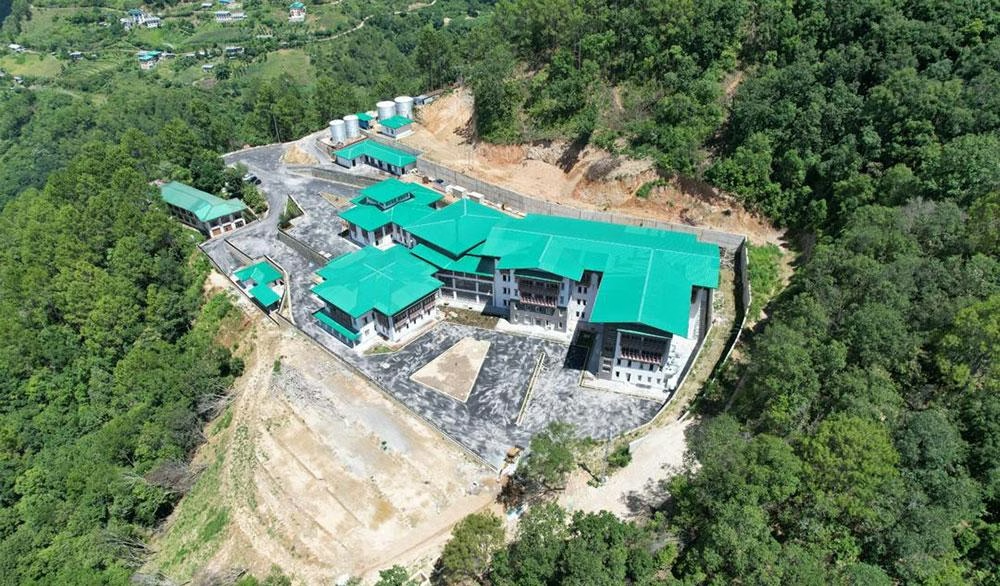
The pilot site selection in Drepong Gewog, Mongar holds particular significance for the project's success. This location will function as a dedicated learning and demonstration facility showcasing how agricultural activities can be therapeutically adapted for diverse populations with varying abilities and recovery needs.
Mongar's geographic and climatic characteristics present both opportunities and challenges for agri-therapy implementation. The region's agricultural heritage, combined with its relatively smaller population density, creates an ideal environment for piloting innovative rehabilitation models before potential scaling across other Bhutanese districts.
The site will serve multiple functions:
- Training facility for rehabilitation professionals and agricultural workers
- Demonstration space showcasing adaptive farming techniques
- Recovery center providing hands-on therapeutic interventions
- Research platform for documenting outcomes and best practices
📚 Capacity Building Through Specialized Training
Following the stakeholder consultation, participants will engage in an intensive three-day training programme directly at the Mongar project site. This hands-on learning experience will equip professionals with practical skills in delivering disability-inclusive agri-therapy services.
The training curriculum addresses the unique intersection of rehabilitation science and agricultural practice, ensuring participants understand:
- Adaptive farming techniques suitable for individuals with physical limitations
- Therapeutic principles underlying agricultural engagement
- Culturally appropriate rehabilitation approaches in Bhutanese contexts
- Inclusive program design and accessibility standards
- Monitoring and evaluation methodologies for tracking participant outcomes
💡 Why Agri-Therapy Matters for Vulnerable Populations
The integration of agriculture and therapy addresses profound health needs often overlooked in conventional rehabilitation models. Engaging with agricultural activities provides multiple therapeutic benefits simultaneously:
Physical Rehabilitation – Gardening and farming activities naturally strengthen muscles, improve coordination, and enhance cardiovascular function through low-impact movement.
Mental Health Enhancement – Nature-based interventions consistently demonstrate positive impacts on depression, anxiety, and overall psychological well-being. The combination of purposeful activity and outdoor engagement creates powerful therapeutic effects.
Economic Empowerment – As participants develop agricultural skills, they gain pathways toward self-sufficiency and income generation, reducing economic vulnerability and enhancing dignity.
Social Integration – Group-based agricultural activities foster community connections, reduce isolation, and build supportive networks among participants facing similar challenges.
Cognitive Stimulation – Learning new skills, problem-solving in agricultural contexts, and understanding seasonal cycles engage cognitive functions essential for recovery.
🔄 Alignment With Bhutan's Development Philosophy
This initiative resonates deeply with Bhutan's foundational commitment to Gross National Happiness (GNH), which prioritizes holistic well-being over purely economic metrics. The inclusive agri-therapy model embodies GNH principles by:
- Promoting sustainable development through agricultural engagement
- Strengthening community bonds and social cohesion
- Supporting psychological well-being and mental health
- Advancing cultural preservation through traditional agricultural practices
- Ensuring equitable access to rehabilitation and livelihood opportunities
🎯 What Comes Next: Implementation and Expansion
The pilot phase in Mongar represents the beginning of a potentially transformative initiative across Bhutan's health and livelihood sectors. Success in this initial phase could establish a replicable model for implementation in other districts, particularly those with significant populations of persons with disabilities or stroke survivors.
Key milestones ahead include:
- Finalization of conceptual designs and training manuals based on stakeholder feedback
- Infrastructure development at the Drepong Gewog site
- Recruitment and training of initial participant cohorts
- Pilot program implementation with documented outcome tracking
- Evaluation and refinement based on real-world results
- Potential scaling to additional locations contingent on pilot success
🌟 A Model for Inclusive Development
The Inclusive Agri-Therapeutic Rehabilitation Model emerging from Mongar offers a compelling vision for how developing nations can address health and livelihood challenges through innovative, community-centered approaches. By leveraging agriculture's inherent therapeutic properties while maintaining rigorous rehabilitation standards, Bhutan demonstrates that inclusive development isn't merely idealistic—it's practically achievable and economically sustainable.
This initiative sends a powerful message: vulnerability need not define destiny. With thoughtful program design, adequate resources, and genuine community participation, individuals facing significant health challenges can recover, contribute, and thrive. The Mongar pilot project stands as a testament to Bhutan's commitment to leaving no one behind in the nation's development journey.
You May Also Like
Health
Protecting Children from Hidden Lead Exposure: A Complete Guide
November 7, 2026
Health
Bhutan's Tobacco Tax Revenue Hits Nu 347M, but Impact Remains Unclear
October 28, 2026
Health
Mental Health: A Shared National Responsibility
August 29, 2026
Health
Mongar Mother and Child Hospital Handover: Ending Years of Healthcare Delays
August 26, 2026