Category:
EconomyHydroelectricity Powers Bhutan's Economy to 8.52% Growth
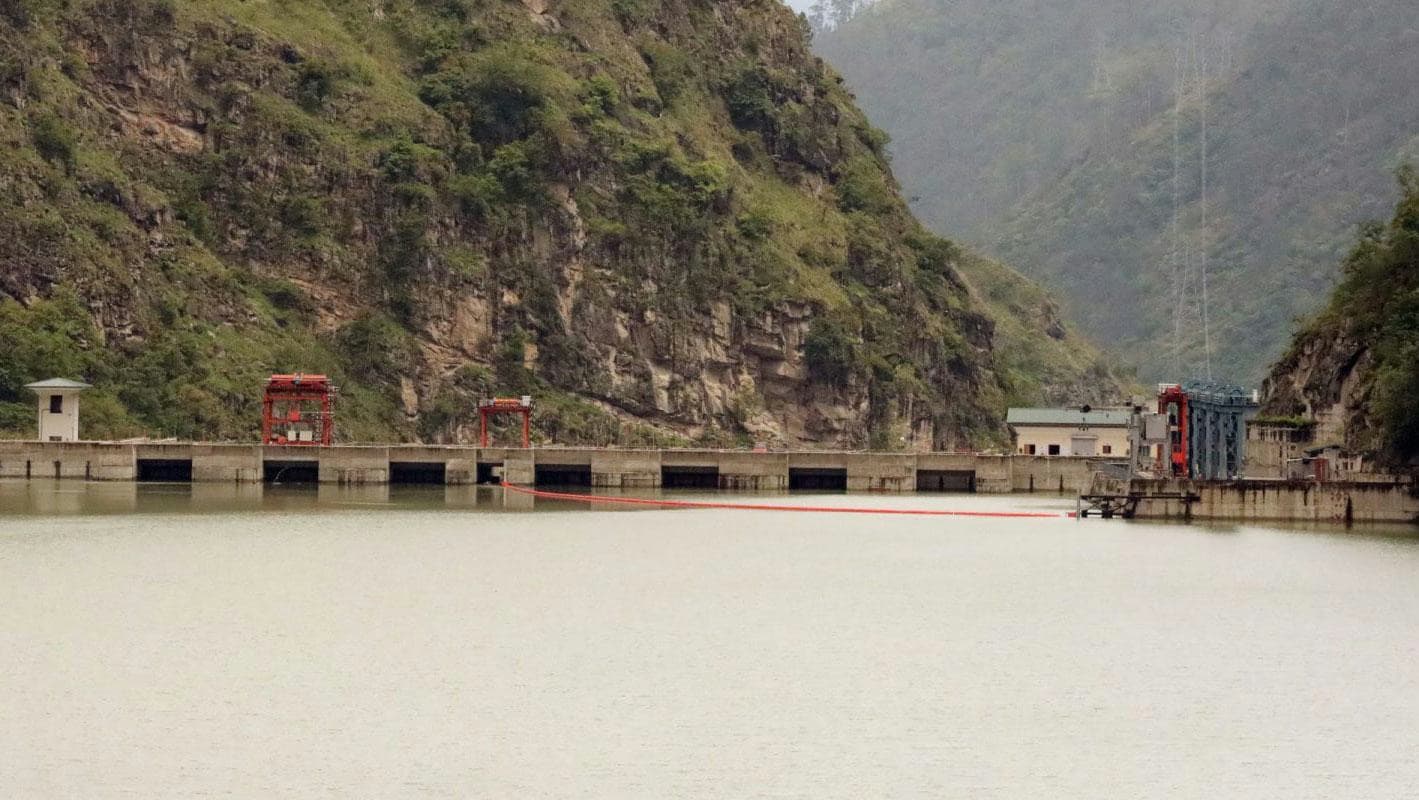
Bhutan's economy is experiencing a remarkable surge, achieving an impressive 8.52% growth rate in 2025—marking one of the strongest performance periods in recent years. 💫 This exceptional expansion tells a compelling story of how strategic infrastructure investments, particularly in renewable energy, can fundamentally transform a nation's economic trajectory and position it for sustained prosperity.
The Hydropower Revolution Driving Economic Momentum ⚡
The cornerstone of Bhutan's economic acceleration is unmistakably tied to the energy sector. The commissioning of the Punatsangchhu-II Hydroelectric Power Plant (PHPA-II), a massive 1,020MW facility, has fundamentally reshaped the nation's productive capacity and export potential. This engineering milestone represents more than just infrastructure development—it embodies the country's commitment to harnessing its natural resources sustainably while generating substantial economic returns.
Electricity generation witnessed a remarkable surge of nearly 29%, propelling the entire electricity sector to expand by an extraordinary 27.16% throughout 2025. This expansion directly translates into increased export revenues, enhanced grid stability, and greater energy security for the nation. The PHPA-II project alone demonstrates how a single strategic investment can catalyze broader economic transformation across multiple sectors.
GDP Growth Acceleration: From 7.84% to 8.52% 📊
According to the National Accounts Statistics 2026, Bhutan's real GDP growth accelerated significantly from 7.84% in 2024 to 8.52% in 2025. This upward trajectory reflects strengthening economic fundamentals and improving business confidence across the nation. The country's nominal GDP reached Nu 318.48 billion, while per capita GDP climbed to Nu 406,204—equivalent to approximately USD 4,660.
These figures represent meaningful progress for a nation focused on balancing economic development with environmental stewardship. The per capita income growth demonstrates that this expansion is translating into improved living standards for Bhutanese citizens, even as the country maintains its distinctive development philosophy centered on Gross National Happiness.
Secondary Sector Dominance: The Industrial and Infrastructure Boom 🏗️
The secondary sector—encompassing industry, electricity, and construction—emerged as the primary growth engine, expanding by 16.10% and increasing its contribution to overall GDP to 35.39%. This represents a significant 3.01 percentage point increase from the previous year, signaling a structural shift in the economy's composition.
Construction activities, in particular, demonstrated robust momentum with 13.21% growth, reflecting substantial infrastructure projects and private sector investment across the nation. This expansion extends beyond hydropower facilities to include:
- Urban development initiatives in major cities like Thimphu and Paro
- Transportation infrastructure improvements connecting regional centers
- Commercial real estate expansion supporting business growth
- Hospitality sector developments catering to tourism recovery
Financial Services and Digital Economy Expansion 💰
Beyond energy and construction, other sectors demonstrated impressive growth trajectories. The financial and insurance sector expanded by 14.29%, buoyed by increased economic activity and heightened investment demand across the economy. Simultaneously, the information and communication sector grew by 14.18%, reflecting Bhutan's gradual digital transformation and increasing adoption of technology-driven services.
These growth rates in financial and digital sectors indicate that Bhutan's economy is becoming more diversified and sophisticated. Banks and financial institutions are experiencing increased lending demand, while technology companies are finding expanding markets for their services—a positive sign for long-term economic resilience.
Domestic Demand Recovery: Consumer Confidence Rebounds 🛍️
A particularly encouraging development is the recovery in household consumption, which rebounded with 9.52% growth after contracting in 2024. This turnaround signals renewed consumer confidence and improving purchasing power among Bhutanese households. Concurrent with this consumption recovery, gross capital formation surged by an impressive 42.57% in real terms.
This investment expansion was driven primarily by acquisitions of machinery, equipment, and construction materials—investments that enhance productive capacity and support future growth. The combination of rising consumption and robust capital formation creates a virtuous cycle where businesses invest in expansion, creating jobs and income growth that further stimulates consumer spending.
The Trade Deficit Challenge: Rising Imports Outpace Exports ⚠️
However, this impressive growth narrative comes with a significant caveat. Imports surged dramatically by 60.56% in 2025, substantially outpacing export growth of 35.46%. This divergence has widened the trade deficit to Nu 97.18 billion, representing 30.51% of GDP—a concerning proportion that warrants close monitoring and strategic policy response.
The surge in imports reflects the nature of Bhutan's growth model, which relies heavily on imported capital goods, machinery, and construction materials to fuel expansion. While this import surge is partly explained by increased investment activities and economic dynamism, it also exposes the economy's structural vulnerability to external shocks and currency fluctuations.
Key import categories driving this increase include:
- Industrial machinery and equipment for manufacturing
- Construction materials for infrastructure projects
- Transportation vehicles and components
- Electronic and electrical equipment
- Raw materials for processing industries
Agricultural Sector Stagnation: Diversification Remains Elusive 🌾
While secondary and tertiary sectors flourish, the primary sector—encompassing agriculture, livestock, and forestry—remains a persistent economic weak point. Agricultural growth decelerated to just 1.85% in 2025, while mining and quarrying contracted for the second consecutive year, declining by 5.77%.
This sluggish performance in traditional sectors highlights a critical challenge: Bhutan's economy remains heavily concentrated in energy and urban-driven industries. The agricultural sector, which employs a significant portion of the rural population, has not kept pace with overall economic expansion. Mining contraction suggests limited diversification within extractive industries, creating potential employment and income challenges for rural communities.
Addressing this sectoral imbalance represents a crucial policy priority for ensuring inclusive and sustainable growth that benefits all regions and populations.
Services Sector Maintains Steady Momentum 🏨
The services sector demonstrated more moderate but consistent growth. Hotels and restaurants expanded by 9.89%, reflecting tourism recovery as international visitor arrivals continue rebounding post-pandemic. Transport and storage services grew by 7.81%, while wholesale and retail trade expanded by 2.76%.
Tourism-related sectors, though growing, still contribute less to overall GDP compared with energy and investment-driven activities. This reflects both the sector's recovery phase and the economy's current structural composition, where hydropower and manufacturing dominate value creation.
Inflation Dynamics: Price Pressures Remain Moderate 📈
Inflation remained relatively well-controlled throughout 2025, with prices across the economy increasing by 4.52%. Consumer price inflation reached 3.50%, up from 2.82% in 2024, but still within manageable parameters. This moderate inflation environment suggests that the rapid economic expansion has not generated excessive demand-side pressures, though continued monitoring remains essential.
The controlled inflation environment reflects both monetary policy effectiveness and the economy's ability to absorb increased demand without significant price acceleration—a positive indicator for economic stability.
Structural Vulnerabilities: Hydropower Dependence Persists 🔌
Despite impressive growth metrics, a fundamental challenge remains unresolved: Bhutan's economy continues its heavy reliance on hydroelectric power generation. While the PHPA-II commissioning has temporarily boosted growth, this dependence creates vulnerabilities to several external factors:
- Climate variability affecting water availability and generation capacity
- International electricity price fluctuations impacting export revenues
- Geopolitical factors influencing regional energy markets
- Technology disruption from alternative energy sources
This concentration risk underscores the necessity for continued economic diversification efforts, particularly in manufacturing, services, and agricultural value-added sectors.
Looking Ahead: Opportunities and Challenges 🚀
Bhutan's 8.52% economic growth in 2025 represents genuine progress, particularly given the nation's small size and development stage. The PHPA-II commissioning has provided a significant boost, but sustaining this momentum requires addressing structural challenges.
Priority areas for future policy focus include:
- Reducing import dependency through local manufacturing and production
- Diversifying economic base beyond hydropower and urban centers
- Strengthening agricultural productivity and rural income generation
- Developing human capital for emerging sectors
- Managing fiscal sustainability amid rising investment demands
- Building regional connectivity for enhanced trade opportunities
The coming years will be critical in determining whether Bhutan can translate this growth surge into sustained, inclusive prosperity that benefits all communities while maintaining its distinctive development philosophy centered on national happiness and environmental conservation.
You May Also Like
Economy
Fixed Deposit Tax Withholding: What You Need to Know
September 13, 2026
Economy
DRC's QR Payment Innovation: Tracking Business Income
September 2, 2026
Economy
Single Mother Transforms Life Through Beekeeping in Bhutan
August 31, 2026
Economy
Natural Resources: Turning Ore into National Opportunity
August 29, 2026