Category:
EnvironmentHaa Residents Fight to Protect Red Panda Habitat from Mining
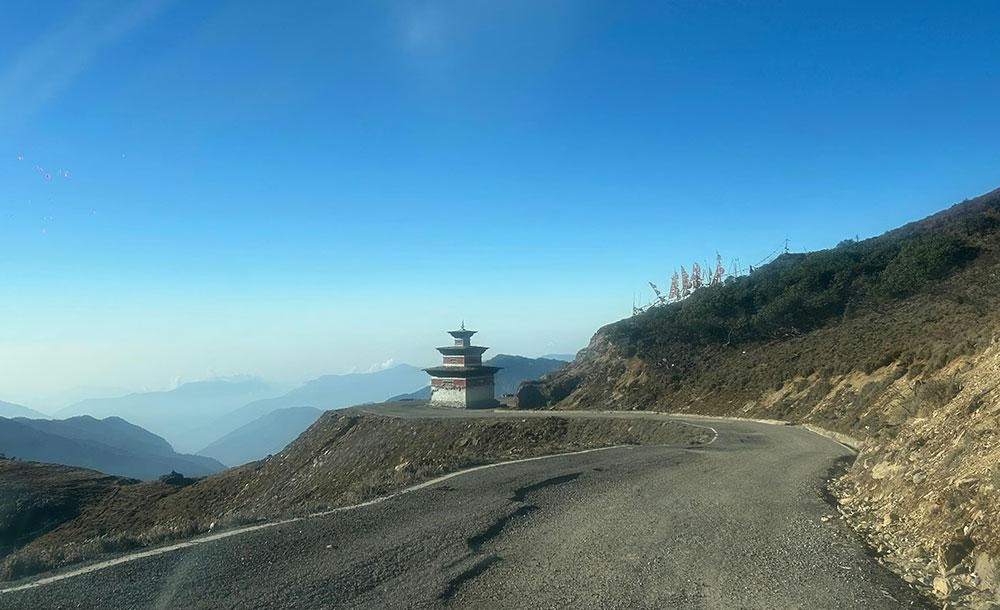
Conservation Crisis in Bhutan's Eastern Dzongkhag 🌲
Bhutan's commitment to environmental preservation faces a critical test as residents of Haa dzongkhag mobilize against a proposed marble mining operation threatening one of the region's most ecologically significant areas. The controversy surrounding the Dorithasa Marble Mine represents a broader tension between economic development and conservation priorities in the Himalayan kingdom, where environmental protection has long been a cornerstone of national policy.
The proposed mining project at Merisham in Dorithasa, situated below Tergola in Gakiling Gewog, has sparked unprecedented community resistance. Local stakeholders argue that the operation would devastate a critical habitat for the endangered red panda while simultaneously undermining the dzongkhag's emerging eco-tourism sector—a development model that promises sustainable prosperity without environmental compromise.
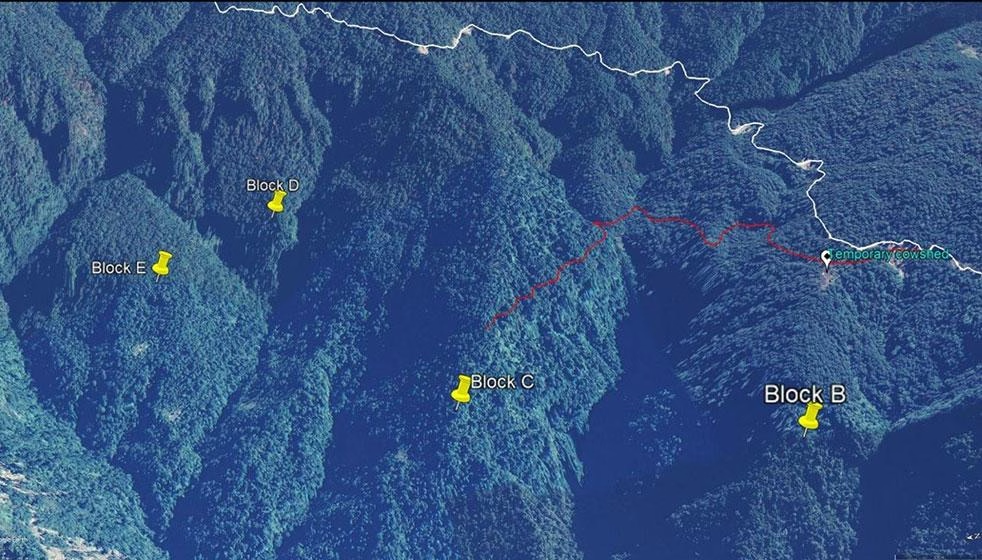
The Mining Approval and Its Controversial Origins ⚖️
The Ministry of Energy and Natural Resources (MoENR) granted JDL Mines and Minerals Private Limited a seven-year lease on August 26, 2026, authorizing open-cast mining of crystalline limestone and marble across 21.20 acres. This approval represents the culmination of a complex bureaucratic process initiated years earlier, yet the decision has generated fierce opposition from local communities who claim they were never consulted.
The project's origins trace back to 2022, when JDL's Jadolum limestone mine in Dogar Gewog, Paro, was shuttered due to safety, social, and environmental concerns. Rather than abandoning mining operations entirely, authorities directed the company toward an alternative site. An executive order issued by then Prime Minister Lotay Tshering in May 2023 facilitated this transition, instructing relevant departments to identify a replacement location.
Dorithasa emerged as that replacement site, with the Department of Geology and Mines subsequently issuing a forestry clearance covering 28 acres. However, environmental assessments later revealed that approximately seven acres fell within the boundaries of Jigme Khesar Strict Nature Reserve (JKSNR), forcing a reduction in the approved mining area to 21.20 acres—a compromise that still leaves residents deeply concerned about ecological integrity.
A Habitat Under Threat 🐼
The Dorithasa site occupies critical conservation real estate. Forest officials have identified the area as a scientifically recognized High Conservation Value zone and a Key Biodiversity Area, with particular significance as a habitat for the endangered red panda. These designations carry profound implications for land management decisions, yet the mining approval proceeded despite these environmental classifications.
The Department of Forests and Park Services (DoFPS) raised substantial reservations about the project. In October 2025, the Chief Forestry Officer of JKSNR formally described the site as ecologically sensitive, emphasizing its importance for red panda conservation. An appraisal note submitted to the Director of DoFPS characterized mining operations at this location as "ecologically damaging" and warned that approving such development could erode community confidence in the government's conservation commitments.
Red pandas, which inhabit the eastern Himalayan regions of Bhutan, face mounting pressure from habitat loss and fragmentation across their range. These elusive carnivores require pristine forest environments with specific elevation ranges and vegetation patterns. The Dorithasa area represents one of the few remaining strongholds for this vulnerable species in Bhutan, making its protection essential for long-term population viability.
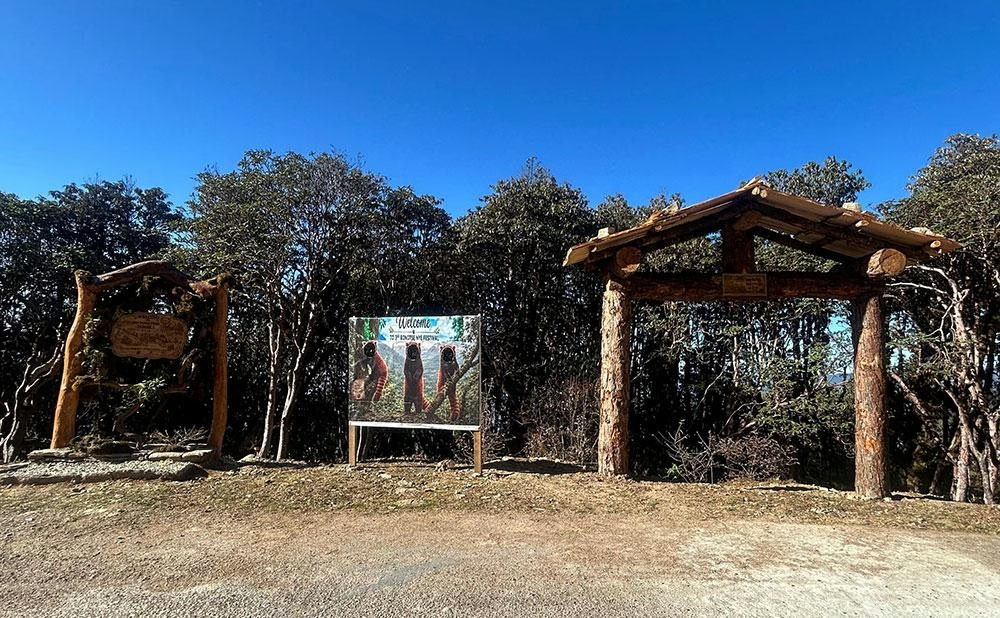
Community Consultation Failures and Democratic Deficits 📢
At the heart of the controversy lies a fundamental procedural breakdown: residents assert they were neither consulted nor granted meaningful input before authorities approved the mining lease. This absence of community engagement contradicts established best practices in environmental decision-making and violates principles of free, prior, and informed consent increasingly recognized in international conservation frameworks.
The Gakiling Gewog local government had previously opposed mining operations, with representatives raising objections at the Dzongkhag Tshogdu (DT) in 2021. That body formally resolved to discourage mining activities in favor of eco-tourism development. Additionally, the Dzongkhag Tshogdu adopted resolutions designating Haa as a "green dzongkhag," explicitly opposing mining and quarrying operations.
Despite these clear policy positions and community preferences, the mining approval proceeded without addressing these concerns. Residents describe a pattern of systematic exclusion: surveyors conducted fieldwork repeatedly over two years during the COVID-19 pandemic, which residents opposed in the presence of the Dzongda. When residents finally learned of the proposal from the project proponent itself—rather than from government authorities—they mobilized to submit formal appeals.
Tourism and Livelihood Implications 💼
Haa dzongkhag has positioned itself as a nature tourism destination, with significant investments from international conservation organizations and local entrepreneurs. Twenty-four hoteliers and homestay owners formally objected to the mining approval in May 2026, warning that extraction operations would undermine their investments and threaten livelihoods dependent on pristine environmental conditions.
The World Wide Fund for Nature (WWF) has invested substantially in conservation and sustainable development initiatives throughout the region. Mining operations would directly conflict with these conservation investments, potentially compromising multi-year initiatives designed to generate sustainable income while protecting ecosystems. The tourism sector offers an alternative economic pathway that aligns with Bhutan's constitutional mandate to maintain at least 60 percent forest coverage and its international commitments to environmental stewardship.
Eco-tourism development represents a proven model for generating revenue while incentivizing habitat protection. Communities that benefit economically from wildlife viewing and nature-based tourism demonstrate stronger conservation commitment than those dependent on extractive industries. By pursuing mining instead, authorities risk undermining the very economic model that could deliver sustainable prosperity without ecological compromise.
Regulatory Violations and Legal Concerns ⚖️
Resident advocates have identified multiple regulatory and legal issues with the mining approval. They point to the Forest and Nature Conservation Act of Bhutan 2023, which explicitly prohibits mining, quarrying, and development activities in the core zones of protected areas. While Dorithasa technically lies outside the strict nature reserve boundary, forest officials confirm that the area is managed by JKSNR and warrants protection comparable to reserve core zones due to its High Conservation Value and Key Biodiversity Area designations.
The Mines and Minerals Management Act 1995 and Mines and Minerals Management Regulations 2022 establish specific requirements for mining approvals, including comprehensive environmental and social assessments. Residents question whether the Dorithasa site meets zoning requirements and whether all regulatory procedures were properly followed before approval was granted.
Furthermore, residents note that the Haa dzongkhag has not issued clearance for renewal of the previous forestry clearance, which has expired. This regulatory gap raises questions about the legal foundation for current mining operations. The Department of Geology and Mines and the company have not adequately addressed these procedural concerns or provided transparent documentation of compliance with applicable regulations.
Escalating Community Activism 🤝
Community opposition has intensified through formal channels. In September 2026, the Dzongkhag Tshogdu Thrizin, gups (gewog administrators), and stakeholders in Haa met with the Minister of Energy and Natural Resources to express concerns and request cancellation of the mining approval. They presented a written appeal citing regulatory violations and requesting identification of an alternative mining location in consultation with dzongkhag administration, relevant agencies, and the mining company.
Despite the minister's commitment to respond within one week, residents report receiving no substantive response. This communication breakdown suggests either bureaucratic dysfunction or deliberate avoidance of accountability. Members of Parliament from the region have also engaged in advocacy efforts, amplifying community voices at the national level.
The sustained opposition reflects deep-seated concerns that extend beyond immediate environmental impacts. Residents perceive the mining approval as a betrayal of the dzongkhag's stated development priorities and a violation of democratic principles that should guide land-use decisions affecting local communities.
Forest Department Recommendations and Alternative Pathways 🌿
The Department of Forests and Park Services has recommended that authorities and the mining company explore alternative sites for mineral extraction. In October 2025, the JKSNR reserve office sought technical assistance from the Department of Geology and Mines to verify mineral deposits at Sektena and Phentena in Haa, suggesting that viable alternatives may exist within the dzongkhag.
This recommendation reflects a pragmatic approach to balancing economic and environmental interests. Rather than forcing mining operations into ecologically sensitive areas, authorities could facilitate mineral extraction at locations with lower conservation value. Such an approach would satisfy the mining company's commercial interests while protecting critical habitats and honoring community preferences.
The fact that alternative sites have been identified but not pursued raises troubling questions about the decision-making process. Why has the government not prioritized exploring these alternatives? What factors have prevented the adoption of recommendations from its own forest conservation agencies?
Broader Implications for Bhutan's Conservation Model 🏔️
This controversy carries implications extending far beyond Haa dzongkhag. Bhutan has cultivated a global reputation as a conservation leader, with constitutional requirements for forest coverage, a comprehensive protected area network, and a commitment to measuring Gross National Happiness rather than purely economic metrics. The Dorithasa mining decision tests whether these commitments remain substantive or have become merely rhetorical.
International observers and conservation partners are watching closely. Decisions that prioritize short-term mineral extraction over long-term ecosystem protection could signal a shift in Bhutan's environmental priorities. Such shifts carry consequences for international conservation partnerships, sustainable development funding, and the country's moral authority on environmental issues.
The situation also reflects global tensions between extractive industries and conservation. Many developing nations face pressure to exploit natural resources for revenue generation, yet such exploitation often contradicts long-term economic and ecological interests. Bhutan has an opportunity to demonstrate that environmental protection and economic development can be reconciled through creative alternatives rather than destructive compromises.
Moving Forward: What Comes Next? 🔮
Several critical issues remain unresolved. Will the government respond substantively to community appeals and regulatory concerns? Will authorities pursue the alternative mining sites identified by forest officials? Will the mining company accept relocation, or will it insist on the Dorithasa location?
The path forward requires genuine engagement with affected communities, transparent assessment of regulatory compliance, and serious consideration of alternatives. Residents deserve authentic consultation, not token acknowledgment of their concerns. The government must honor both its conservation commitments and its democratic obligations to communities affected by development decisions.
Bhutan's future as a conservation leader may depend on how this controversy resolves. Will the nation prioritize ecosystem protection and community welfare, or will it permit extractive industries to compromise both? The answer will define not only Haa's future but also Bhutan's commitment to the principles that have made it a global conservation exemplar.
The red pandas of Dorithasa cannot advocate for themselves. The residents of Haa have taken on that responsibility, speaking for both wildlife and the sustainable future their communities deserve. Whether authorities listen will reveal much about the true depth of Bhutan's environmental commitments.
You May Also Like
Environment
Bhutan's Biodiversity Goals: Ambition Meets Financial Reality
November 28, 2026
Environment
EV Battery Waste: Bhutan's Emerging Environmental Challenge
November 28, 2026
Environment
Moenlam: Prayer, People & Himalayan Change
November 28, 2026
Environment
EcoVation's Nu 7.56M Rural Waste Project Transforms Trashiyangtse
November 25, 2026