Category:
EconomyBumthang Cordyceps Auction Faces Low Bid Challenges
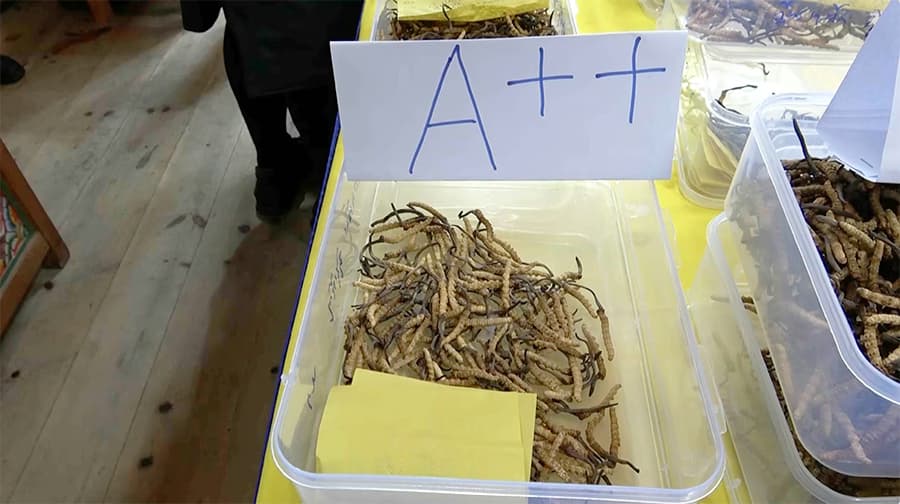
Cordyceps, often dubbed as the 'Himalayan Gold', holds immense economic value for many families in Bhutan. Each year, collectors from the high-altitude regions of Bumthang embark on arduous treks, navigating treacherous terrains to harvest these prized fungi. However, this year's annual auction at the Choekhor Gewog Centre was met with dismay as many collectors found the bidding prices below expectations. 🌿💔
The Economic Importance of Cordyceps
Cordyceps has been a significant source of income for Bhutanese families, especially those in the mountainous regions. The fungus is highly sought after in the international market for its medicinal properties, often commanding high prices. Yet, this year, the decline in international market value has had a ripple effect on local auctions. 📉

Auction Dynamics and Withdrawal Rights
At the heart of the Choekhor Gewog auction, many collectors decided to withdraw their harvests due to unsatisfactory bids. According to auction rules, collectors are allowed to withdraw their cordyceps twice if the bids do not meet their expectations. This flexibility, however, comes with its own set of challenges. Collectors like Chorten Tashi have expressed intentions to move their harvests to other auction centers, such as Sephu, in hopes of fetching better prices. 🚚
Challenges of Transporting Harvests
Transporting cordyceps to different auction yards poses additional logistical and financial burdens. For many, the cost of moving their harvest outweighs the potential benefits, leaving them in a difficult position. "As farmers, we cannot afford to take it elsewhere," shared Jamyang Chophel, highlighting the economic constraints faced by many.
Market Trends and Price Fluctuations
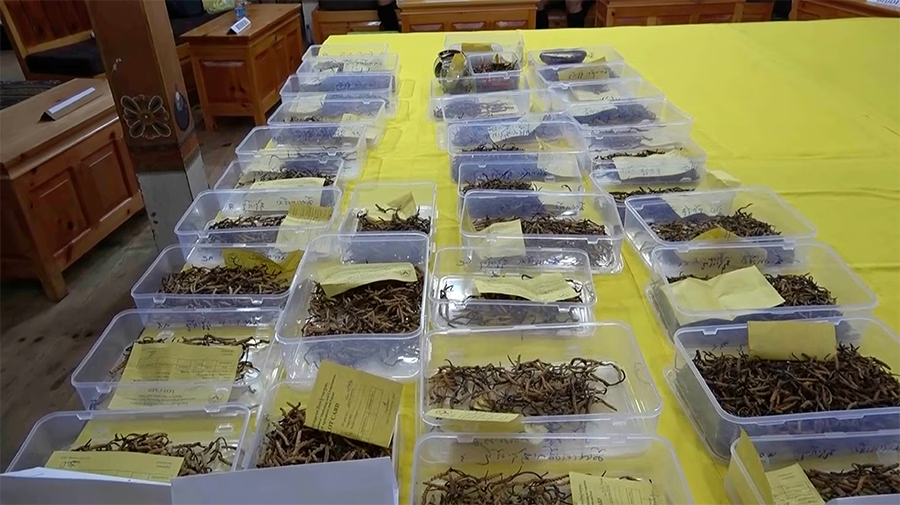
Last year, A+++ grade cordyceps fetched up to Nu 2.7 million per kilogram. In contrast, this year’s highest bid for A++ grade was slightly lower at Nu 2.5 million. Such fluctuations are not uncommon and often reflect broader trends in the international market. Buyers, constrained by these global trends, have found it challenging to offer competitive prices. 📊
Looking Ahead: Hopes for Better Prices
With over 40 kilograms of cordyceps harvested by collectors in Choekhor Gewog and participation from over 500 collectors, there remains hope that upcoming auctions, like the one scheduled at Sephu, will yield better returns. Many collectors are pinning their hopes on these future events to compensate for the arduous months spent in the mountains.

Conclusion: Navigating Economic Uncertainties
The Bumthang cordyceps auction reflects a microcosm of the larger economic challenges faced by rural communities dependent on niche markets. As the global market for cordyceps continues to evolve, so must the strategies of local collectors and buyers. The upcoming auctions represent not just an opportunity for better prices but also a chance to adapt to changing economic landscapes. 🌟
Key Takeaways
- Cordyceps remains a vital income source, despite market challenges.
- Auction flexibility provides some relief but comes with logistical costs.
- Global market trends heavily influence local auction outcomes.
Collectors and buyers alike must remain resilient and adaptive as they navigate the complexities of the cordyceps market. The story of Bumthang’s auction is a testament to the tenacity of those who rely on nature’s bounty. 🌍
You May Also Like
Economy
Government Addresses 400+ Business Issues to Boost Economy
October 10, 2026
Economy
Bhutan's Bold Vision: Two USD 50M Enterprises by 2030
September 27, 2026
Economy
Mega Dry Port in Pasakha: Bhutan's Trade Revolution
September 25, 2026
Economy
Fixed Deposit Tax Withholding: What You Need to Know
September 13, 2026