Category:
NewsGovt. Delays Housing, Vehicle Loan Promises
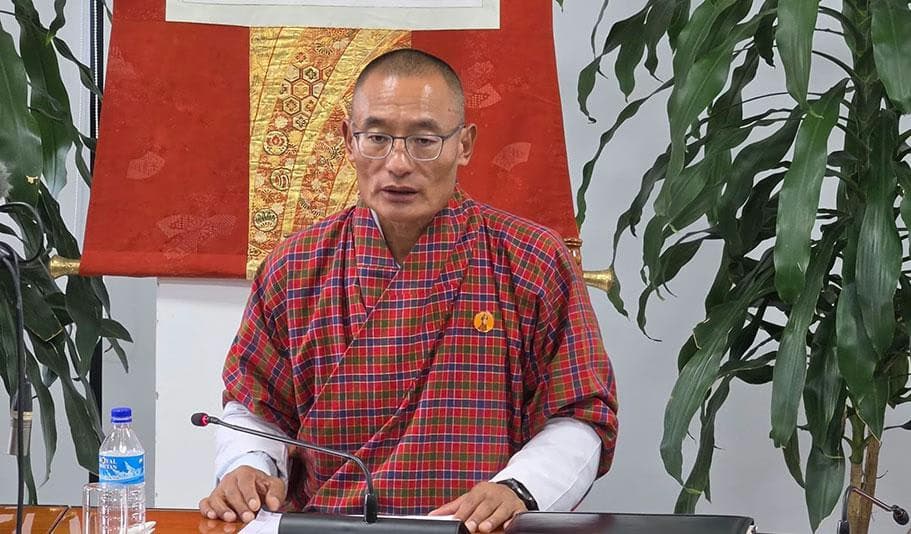
In the kingdom of Bhutan, citizens eagerly await the implementation of the government's ambitious housing and vehicle loan pledges. These promises, aimed at easing financial burdens, have yet to materialize, leaving many questioning the timeline and feasibility of such initiatives.
Government's Housing Loan Ambitions 🏠
The Bhutanese government's pledge to provide housing loans with up to 95% financing at a concessional interest rate of 4% has sparked significant interest among citizens. Such a scheme promises to make homeownership more accessible, fostering economic stability and improving living standards.
However, Prime Minister Tshering Tobgay recently disclosed in Parliament that the government is still evaluating various financing models. No definitive timeline can be provided for the rollout of these loans, as fiscal constraints and global economic factors take precedence.
Economic Challenges and Priorities
The government's delay in fulfilling its housing loan promise is attributed to emerging national priorities and unforeseen external challenges. Notably, the volatility in global fuel prices, induced by geopolitical conflicts in the Middle East, has necessitated immediate attention to fuel price stabilization. This move aims to shield the Bhutanese economy from sudden price shocks, ensuring that citizens are protected from the ripple effects of global market fluctuations.
Vehicle Loan Scheme: Accelerating EV Adoption 🚗⚡
In addition to housing loans, the government has committed to enhancing vehicle financing by increasing the loan-to-equity ratio to 80:20. This policy shift is expected to accelerate the adoption of electric vehicles (EVs), aligning with Bhutan's environmental goals.
The Ministry of Infrastructure and Transport is actively developing an "EV Strategy" to establish the necessary infrastructure and incentives. This strategy will outline requirements for charging stations, post-sale services, and performance-based incentives such as tax breaks and concessional financing. The aim is to make EVs a viable and attractive option for Bhutanese citizens.
Stakeholder Engagement and Future Prospects
The government is in ongoing discussions with the Royal Monetary Authority (RMA) and financial institutions to explore viable measures for loan-to-equity requirements. These discussions emphasize maintaining financial sector stability while promoting sustainable growth.
Assessing the Road Ahead 🔍
While the government's commitments to housing and vehicle loans remain unfulfilled, efforts to establish a sustainable framework continue. The assessment of various financing models, consultations with stakeholders, and exploration of alternative approaches indicate a strategic approach to balancing public expectations with fiscal responsibility.
Conclusion: A Balancing Act ⚖️
The Bhutanese government's delay in delivering on its housing and vehicle loan promises highlights the complex interplay of economic priorities, fiscal constraints, and global influences. As citizens await tangible benefits, the government must navigate these challenges to ensure that its interventions are sustainable and impactful.
Looking ahead, Bhutan's focus on affordable housing and EV adoption remains steadfast. The government's commitment to improving access to finance and fostering economic resilience offers hope for significant progress in the near future. Citizens and stakeholders alike eagerly anticipate updates on these critical initiatives, which hold the promise of transforming the Bhutanese economy and enhancing the quality of life for all.