Category:
NewsShrinking Farmland Threatens Food Security
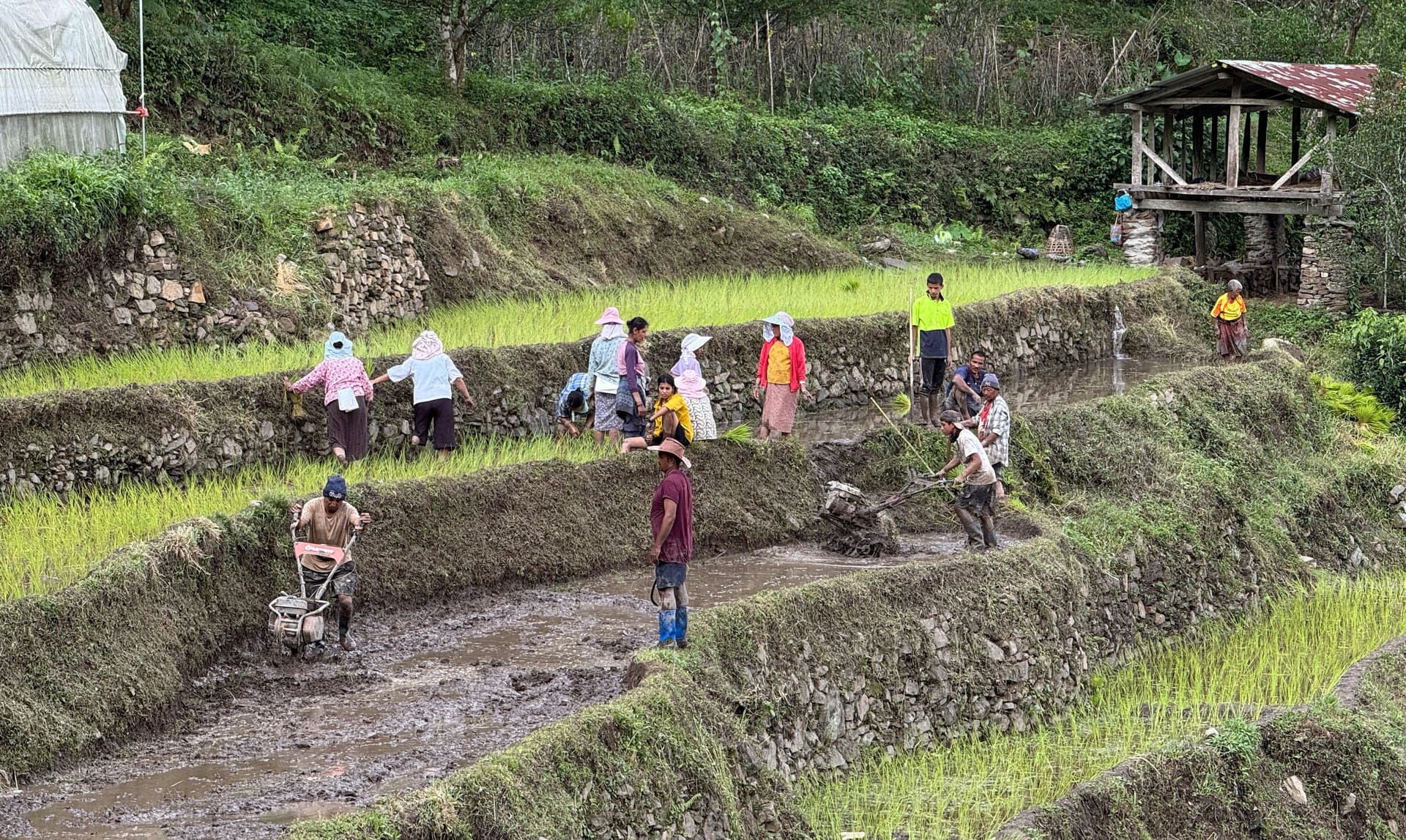
The Decline of Bhutan's Farmland 🌾
In recent years, Bhutan has faced an alarming trend that threatens its long-term food security goals: the shrinking of arable farmland. This decline has raised concerns about the country's ability to achieve food self-reliance, a cornerstone of its agricultural policy.
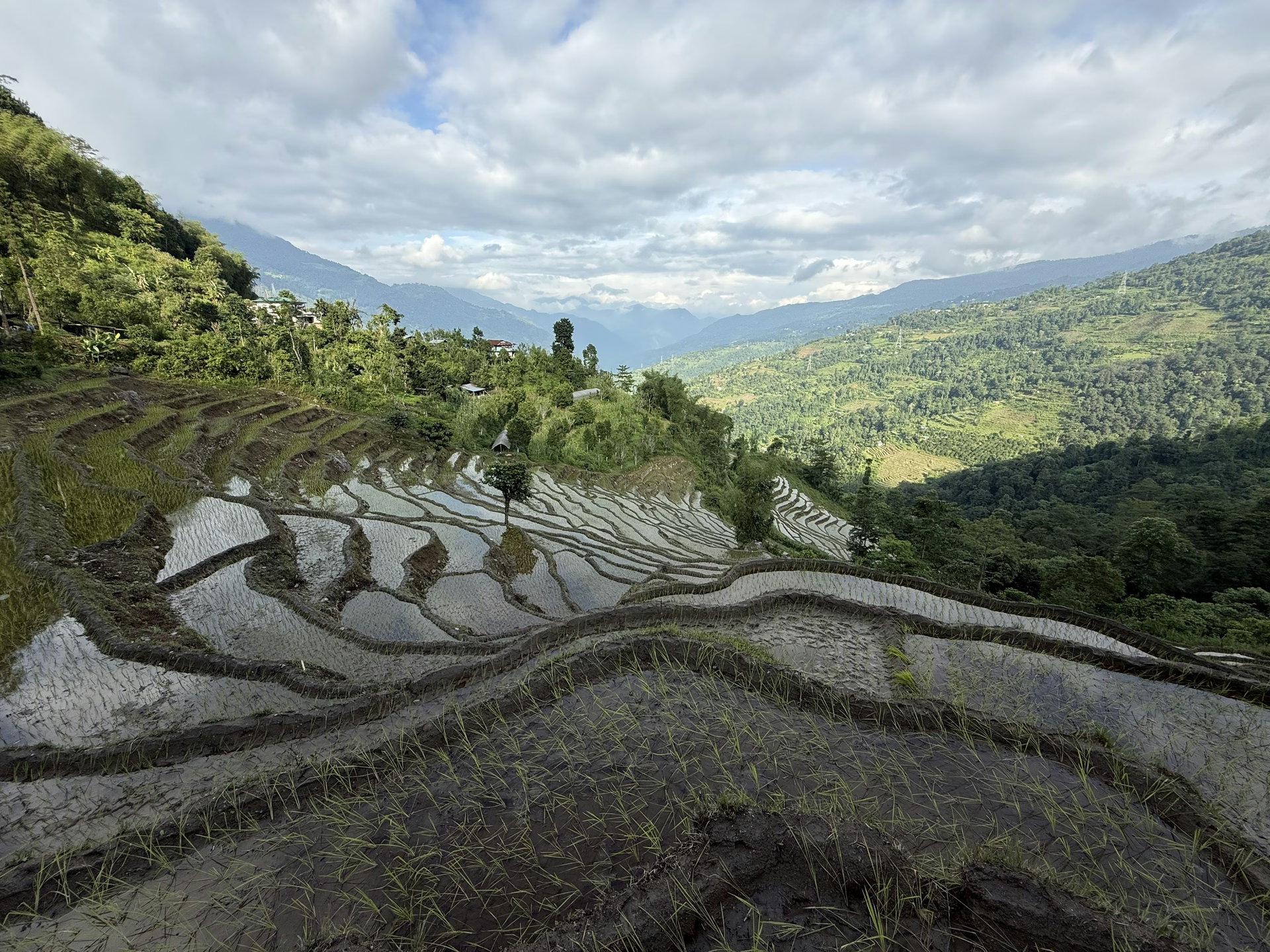
Alarming Statistics 📉
According to the Food Balance Sheets report by the National Statistics Bureau (NSB) in collaboration with the Food and Agriculture Organization (FAO), Bhutan's total cropped area has reduced significantly. Between 2021 and 2024, the area decreased from 42,000 hectares to 36,600 hectares. This contraction in farmland poses a significant challenge to Bhutan's food system, which already struggles with self-sufficiency in basic commodities.
- Cereal Self-Sufficiency: Only 33% of cereal demand is met domestically.
- Vegetable Oil: Self-sufficiency is a mere 12%.
Factors Behind the Decline 🏔️
Several factors contribute to the reduction in cultivated land:
- Economic Pressures: The high cost of production, especially for crops like quinoa and millet, deters investment.
- Labour Shortages: With a younger population migrating to urban areas, agriculture increasingly relies on an ageing workforce.
- Environmental Risks: Crop depredation by wildlife leads to significant yield losses, estimated between 19% and 43% annually.
Government Interventions and Challenges 🚜
The Bhutanese government has initiated several programmes to counter these challenges. For instance, a pilot programme to recruit foreign agricultural workers was launched, aiming to mitigate the labour shortage in regions like Samtse and Samdrupjongkhar. However, the effectiveness of these measures is yet to be fully realized.
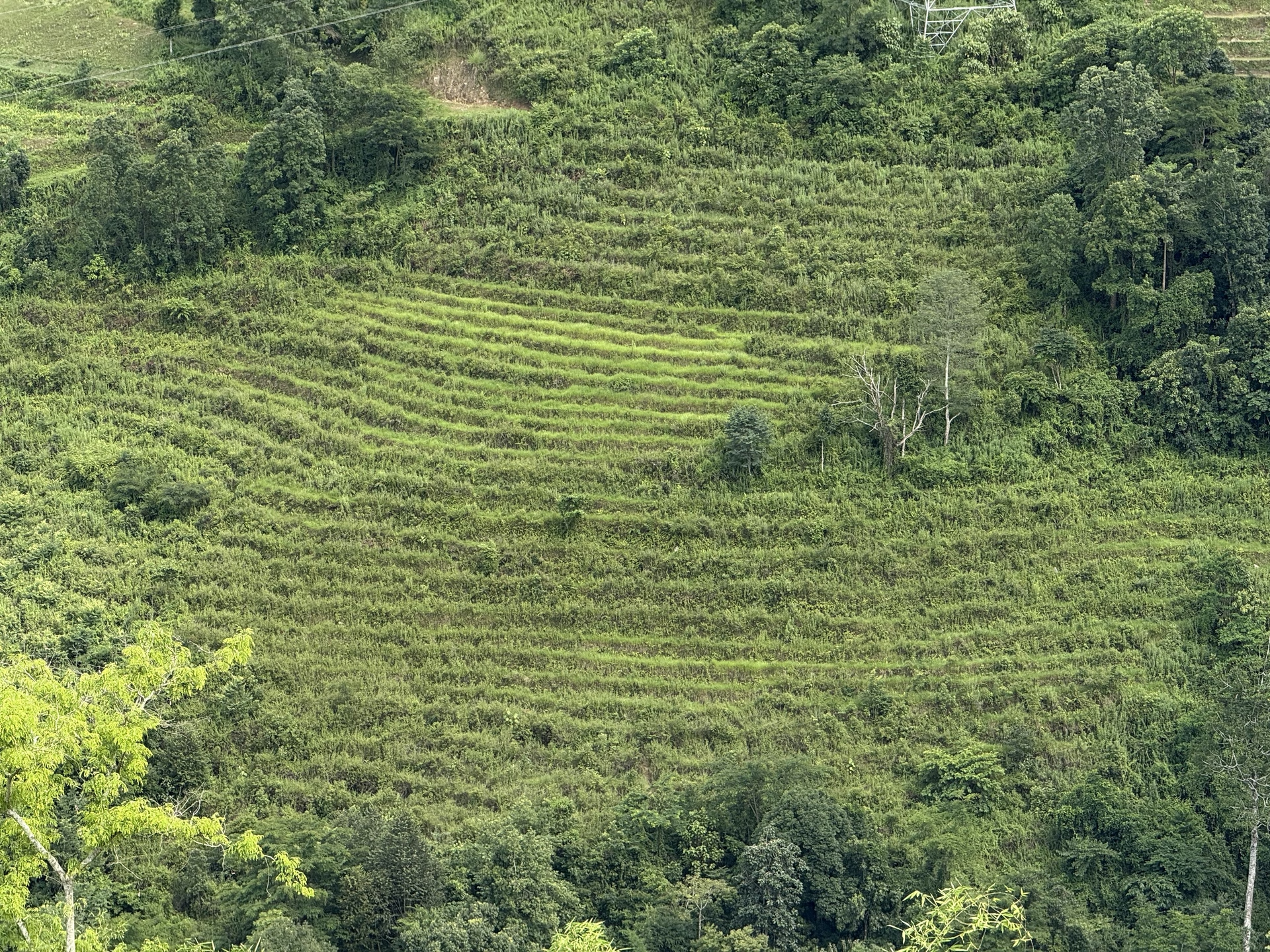
The Impact on Food Supply 🍚
The decline in farmland has directly impacted food availability:
- Dietary Energy Supply: Reduced from 2,964 kilocalories per person per day in 2021 to 2,768 kilocalories in 2024.
- Cereal Availability: Dropped from 201 kilograms per person to 183 kilograms.
A Call to Action 📢
To reverse this trend, Bhutan must prioritize sustainable farming practices and consider revising loan waiver policies to support farmers and cooperatives. Investments in modern agricultural techniques and infrastructure are crucial to enhance productivity and attract the younger generation back to farming.
Conclusion: The Road Ahead 🌟
Bhutan stands at a crossroads. The decline in farmland is not just a threat to food self-reliance but also a call for innovation in agricultural practices. By addressing the underlying causes and investing in sustainable solutions, Bhutan can secure a prosperous and food-secure future.
For more information, stay tuned to updates from the Ministry of Agriculture and Forestry as they implement strategic initiatives to combat these pressing challenges.