Category:
CultureGongdue Kha: Preserving a Dying Language in Bhutan
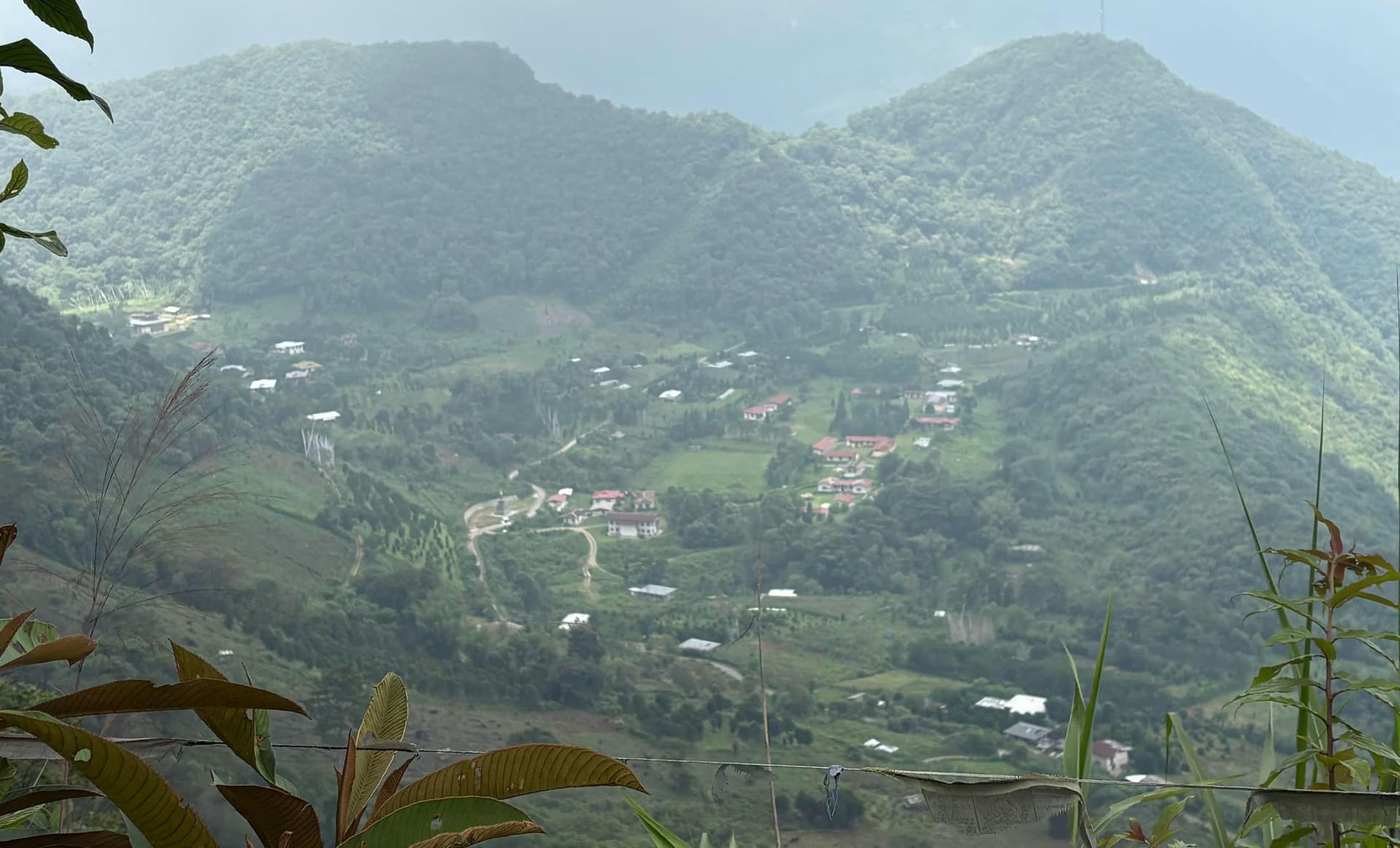
The Silent Echoes of Gongdue Kha in Bhutan 🌄
In the remote gewogs of Mongar, Bhutan, a cultural treasure is on the brink of vanishing — the Gongdue Kha dialect. This indigenous language, once spoken vibrantly across the region, is now fading into obscurity. As modern languages like Tshangla, Khengkha, and Dzongkha gain prominence, Gongdue Kha struggles to survive, with only a few active speakers remaining in select chiwogs such as Baagla-Dengkaling, Daagsa-Kumadzong, and Phadzong. 🗣️
A Language at Risk: Socio-Economic Shifts ⚠️
The decline of Gongdue Kha can be attributed to various socio-economic changes. A study from the Himalayan Language Project as far back as 2004 highlighted Gongdue Kha as one of 15 dialects in Bhutan nearing extinction. Rapid urbanization and demographic pressures have significantly contributed to this trend. Migration from rural to urban areas sees the younger generation embracing more dominant languages for better communication and opportunities. 🌍
The Generational Divide: Young vs. Old 👵👶
In the villages of Mongar, the generational language gap is widening. While elders reminisce about the rich linguistic tapestry of their youth, today's youth often prefer English or Dzongkha, reflecting global influences and educational priorities. For many, Gongdue Kha remains a language of the past rather than a living form of communication.
Key Factors Driving Language Decline:
- Migration: As young people relocate for education and employment, the transmission of Gongdue Kha to new generations diminishes.
- Intermarriage: Marriages with speakers of other languages further dilute the prevalence of Gongdue Kha.
- Cultural Shifts: The preference for globally dominant languages in education and media.
The Fight for Preservation: Local Initiatives 🛡️
Despite the challenges, efforts to preserve Gongdue Kha are underway. The Lo-Rig project, supported by the European Research Council and Bhutan's Centre for Bhutan and Gross National Happiness Studies, is actively documenting this endangered dialect. This initiative aims to produce comprehensive grammars of Gongdue Kha and Monpa, providing a critical repository for future generations. 📚
Community Involvement: A Recipe for Revival 🌱
Local leaders like Gongdue Gup Tshewang Tobgay are urging the community to embrace their linguistic heritage. Encouraging the use of Gongdue Kha in public meetings and at home could rekindle interest and pride in this unique dialect. Moreover, transcribing the language could lead to its recognition both locally and internationally, offering a beacon of hope for its survival.
The Cultural Significance of Gongdue Kha 🏞️
Beyond communication, Gongdue Kha embodies the history, traditions, and identity of its people. As Bhutan navigates the complexities of modernity, preserving such linguistic diversity is crucial for maintaining cultural richness. By fostering a renewed appreciation for Gongdue Kha, Mongar's residents can ensure that their heritage continues to echo through future generations. 🔍
Conclusion: A Call to Action 🚀
The story of Gongdue Kha is a poignant reminder of the delicate balance between progress and preservation. As Bhutanese communities grapple with these challenges, the onus is on both local and international stakeholders to support initiatives that safeguard such irreplaceable cultural assets. With dedicated efforts, Gongdue Kha may yet find its voice anew, resonating as a testament to Bhutan's vibrant cultural tapestry.
Let us hope that through these concerted efforts, the echoes of Gongdue Kha will continue to reverberate, not as a relic of the past but as a living testament to Bhutan's enduring cultural spirit. 💫
You May Also Like
Culture
Sacred Heart of 108 Chortens: Bhutan's Spiritual Masterpiece
August 26, 2026
Culture
When Colour Drains From the Scene: Spiritual Gatherings in Bhutan
August 15, 2026
Culture
The Vanishing Trade of Drukor: Bhutan's Fading Cultural Exchange
August 15, 2026
Culture
Yojay: Ancient Buddhist Prayer Practice Goes Global
August 12, 2026