Category:
NewsGLOF Devastates Gasa Tshachu and Infrastructure
Mountain Waters Unleashed: Understanding the October 29 Glacial Lake Outburst Flood 🌊
Bhutan faced a dramatic natural disaster when a glacial lake outburst flood (GLOF) erupted from Shintaphu Tsho in the early evening hours of October 29, unleashing torrential floodwaters across the Mochhu river valley. The catastrophic event swept through both Gasa and Punakha districts, leaving behind a trail of destruction that damaged critical infrastructure, popular tourism facilities, and vital road networks. Remarkably, swift evacuation protocols prevented any loss of human life, demonstrating the effectiveness of Bhutan's disaster preparedness systems.
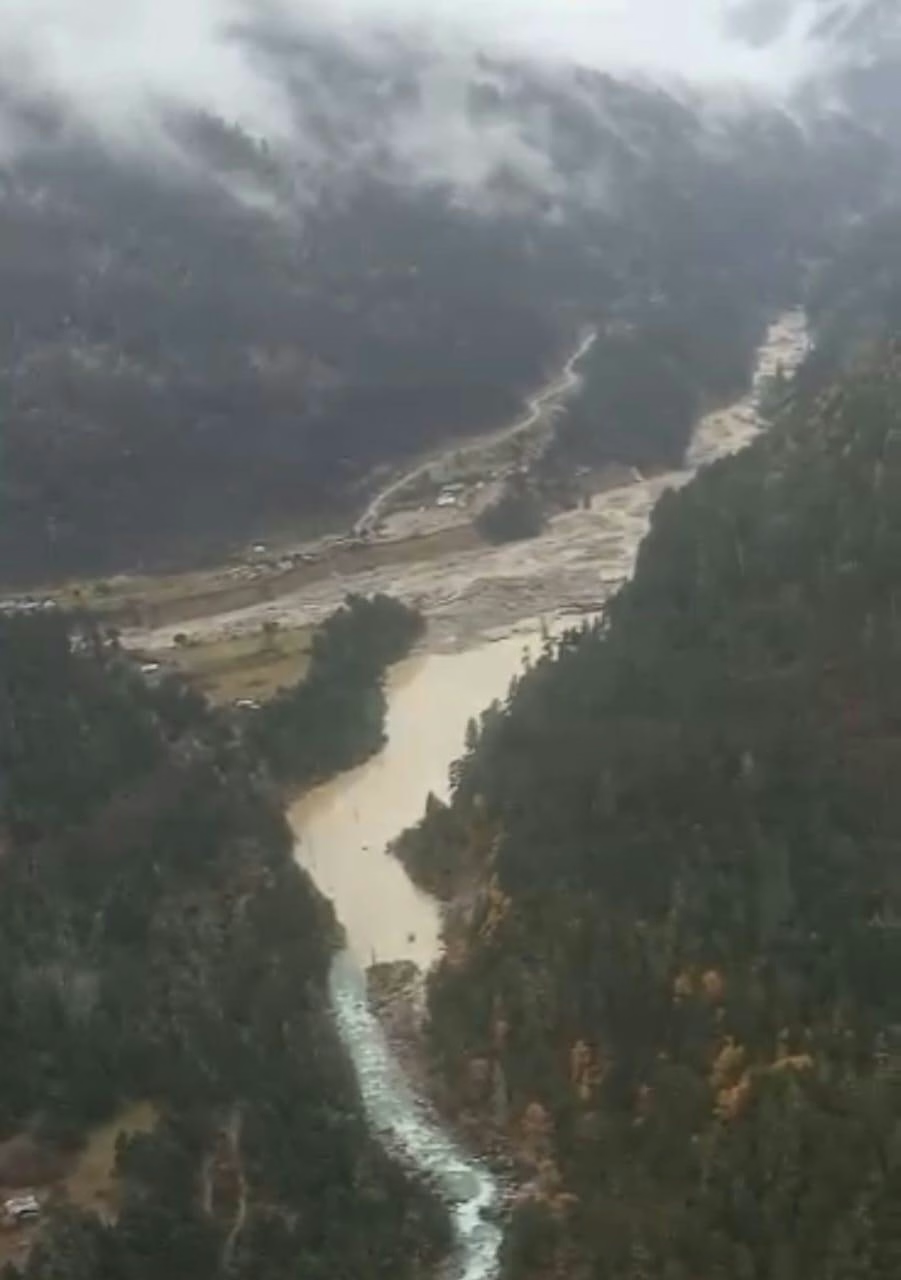
The outburst originated in Lungo Chiwog, Laya, and rapidly descended downstream with tremendous force. By 8:15 PM that same evening, the floodwaters had reached Taktsemakhang, a critical juncture where multiple river channels converge. Authorities noted that the intensity of the rushing water suggested an exceptionally large volume of discharge, though precise measurements proved impossible to obtain during the darkness of the night. 🚨
Swift Action Prevents Tragedy: Emergency Response Protocols in Action ✅
The rapid response by government agencies and security personnel proved instrumental in avoiding casualties during this natural disaster. Royal Bhutan Army personnel stationed at Taktsemakhang, project office officials, and workers at Gasa Tshachu received immediate evacuation orders as soon as the flood was detected. This proactive approach ensured that all individuals in high-risk areas reached safety before the floodwaters arrived.
Beyond local evacuations, authorities swiftly alerted neighbouring districts and downstream communities about the potential danger. Minister for Industry, Commerce and Employment Namgay Dorji arrived in Punakha on the night of October 29 to personally oversee damage assessment and coordinate response efforts. The National Center for Hydrology and Meteorology (NCHM) and relevant agencies immediately began continuous monitoring of the situation to track evolving conditions and potential secondary hazards.
Gasa Tshachu: A Popular Destination Transformed into Disaster Site 💔
Gasa Tshachu, one of Bhutan's most beloved geothermal hot spring destinations, suffered catastrophic destruction in this flooding event. The facility, which attracts both domestic and international visitors seeking therapeutic benefits from its naturally heated mineral waters, experienced near-total obliteration of its infrastructure. According to preliminary damage assessments conducted by Gasa Dzongkhag authorities, the floodwaters completely swept away the hot spring's natural water source—the very foundation upon which the facility operated.
The destruction extended to multiple soaking facilities that served different visitor categories. Both public and VIP bathing ponds vanished in the deluge, along with a recently constructed hot stone bathhouse that represented a modern addition to the facility's offerings. The children's soaking area, designed to provide therapeutic experiences for young visitors, was similarly obliterated. Supporting infrastructure including resting areas, sanitation facilities, canopies, changing rooms, and retail counters all fell victim to the flood's destructive force. 😔
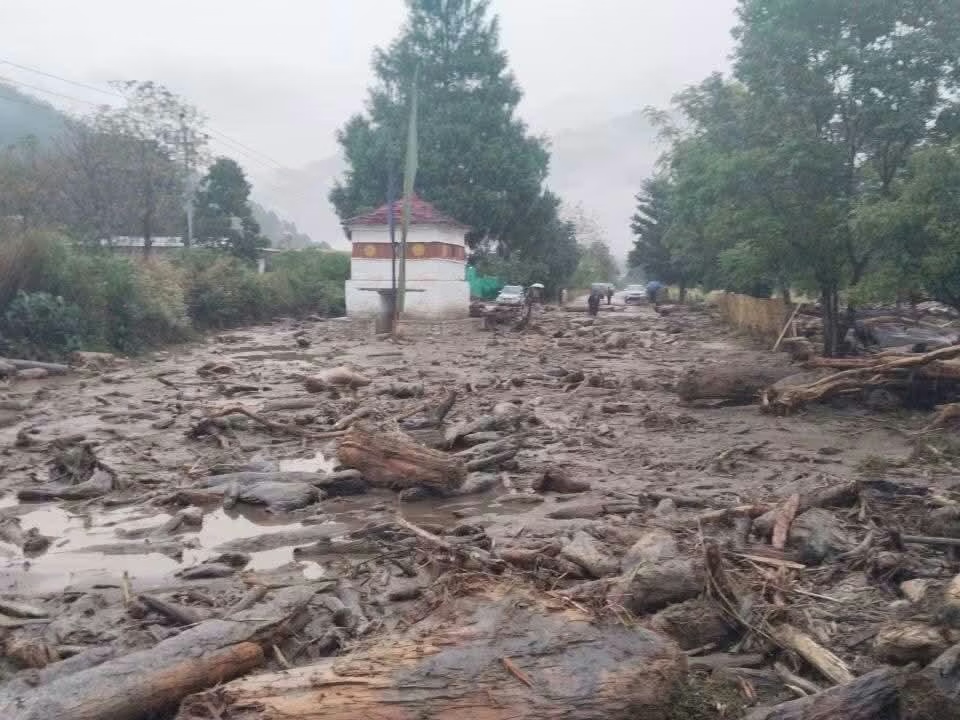
Approximately 350 metres of the access road leading to the hot spring was completely washed away, severing connectivity to the facility. The Royal Guest House and D-Type Guest House, both important accommodation structures, were identified as remaining at elevated risk from potential future flooding. This represents the second major catastrophic flood event to strike Gasa Tshachu within just five years—a 2021 flash flood had similarly devastated the facility when the Mochhu river altered its course directly toward the hot springs complex.
Critical Infrastructure Damage: Roads and Bridges Severed 🌉
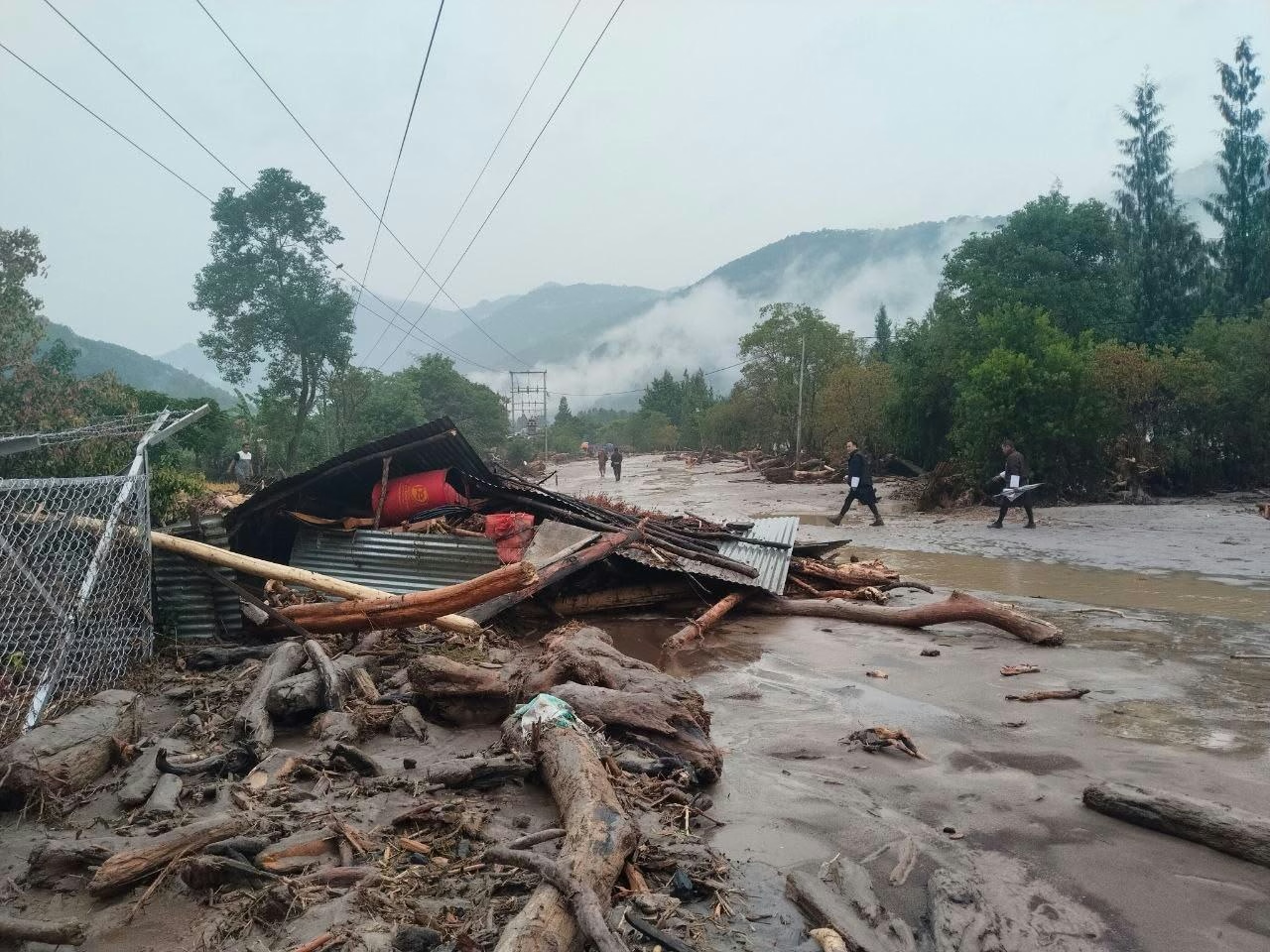
The flooding inflicted severe damage to Bhutan's road network, disrupting connectivity across multiple districts. The Punakha–Gasa Secondary National Highway, a vital artery connecting these two regions, sustained roadblocks at chainages 1 kilometre and 2 kilometres, forcing complete closure of this route. The Gasa–Laya road experienced similar devastation with blockages at chainages 21 and 22 kilometres, effectively halting all traffic movement along this critical corridor.
One particularly significant loss involved a Bailey bridge connecting Kabjisa Gewog and Bali Chiwog in Punakha. This bridge, constructed in 2022 with financial support from the Government of India at a cost exceeding 20 million Ngultrum, served essential connectivity functions for communities in Yebisa and Bhalue chiwogs. The complete loss of this relatively new infrastructure represents a substantial setback to regional connectivity and commerce.
The Taktsemakhang area sustained additional damage including destruction of a newly constructed public washroom facility and a storeroom belonging to the Royal Bhutan Army camp. Approximately 21 kilometres of the Gasa–Laya road near Gasa was compromised by floodwaters. In Punakha, the solar-powered lift irrigation facility in Dochhukha–Dzomlingthang–Ritsa Chiwog under Guma Gewog experienced partial damage, affecting agricultural operations dependent on this infrastructure.
Secondary Hazard Emerges: The New Artificial Lake Threat ⚠️
Even as authorities began assessing the initial damage, a new and potentially dangerous situation developed at Taktsemakhang. The massive volume of floodwaters, combined with accumulated debris and sediment, created a large artificial lake at the confluence of the affected river channels. This secondary hazard presents a fresh threat to downstream communities, as the unstable accumulation of water could potentially trigger another sudden outburst if the natural dam created by debris becomes unstable.
Recognizing this emerging danger, the NCHM and relevant government agencies established continuous monitoring protocols for the artificial lake. Residents throughout the Mochhu and Punatsangchhu river valleys received official advisories to remain vigilant and avoid approaching riverbanks or flood-prone areas. These precautionary measures reflected authorities' determination to prevent a repeat disaster.
Tourism and Cultural Impact: Punakha Dzong Temporarily Closed 🏯
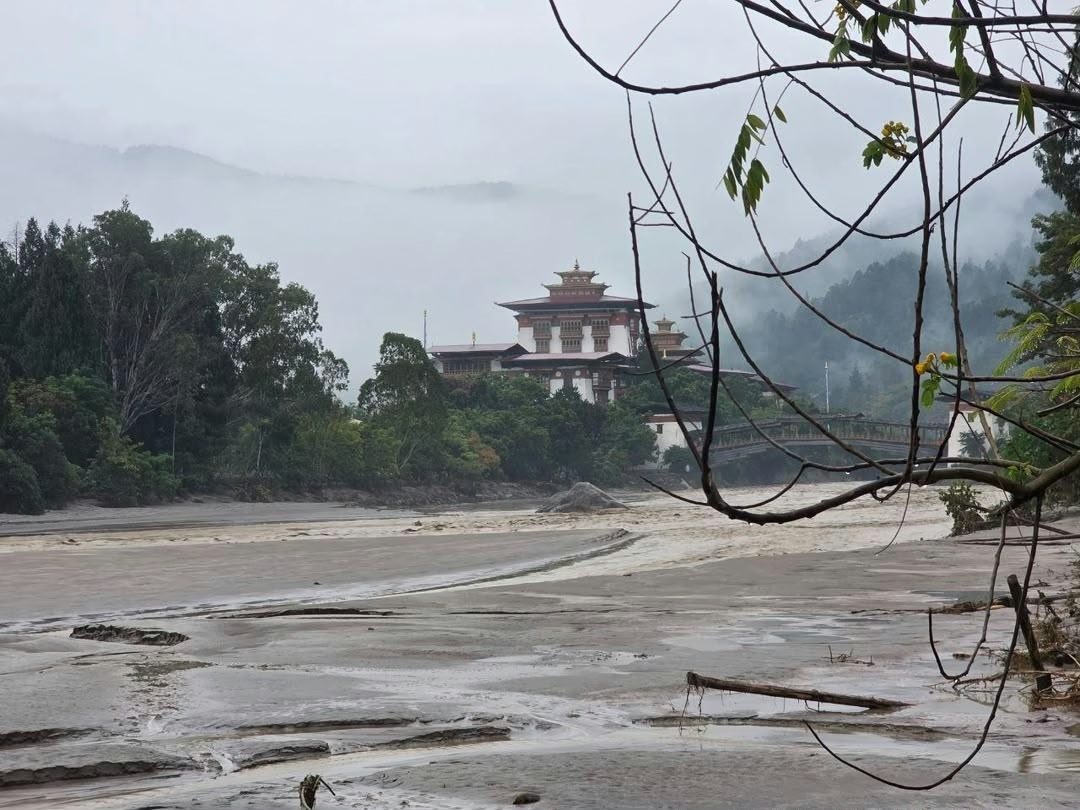
The broader implications of this disaster extended to Bhutan's tourism sector. Punakha Dzong, the iconic fortress monastery and one of the nation's most significant cultural and tourist attractions, was temporarily closed to all visitors and tourists beginning October 30. This closure, maintained until further notice, prioritized public safety amid the continuing risk of flooding in the dzong's vicinity.
The closure represented a significant disruption to Bhutan's tourism industry, as Punakha Dzong ranks among the country's most visited cultural heritage sites. The decision underscored authorities' commitment to ensuring visitor safety and preventing potential loss of life in a heritage structure of immense national importance.
Hydropower Facilities Monitored: Precautionary Measures Activated 🔌
The flooding prompted immediate protective actions at Bhutan's hydropower installations. The Punatsangchhu-I Hydroelectric Project (PHPA-I) was monitored continuously throughout the night following the outburst, with no damage reported to date. In contrast, the Punatsangchhu-II Hydroelectric Project (PHPA-II) implemented more aggressive precautionary measures, with all generating units shut down as a safety protocol.
At PHPA-II, both intake gates and the tailrace tunnel gate were closed to prevent floodwater damage to critical equipment. Following an inspection on October 30, preparations commenced to carefully restart the generating units. These protective measures demonstrated the interconnected nature of Bhutan's critical infrastructure and the cascading risks posed by such natural disasters.
Clearing the Way: Debris Removal and Road Restoration Efforts 🚧
The Department of Surface Transport deployed personnel and heavy machinery to affected locations to begin the challenging process of clearing debris and restoring road connectivity. Floodwaters had deposited massive quantities of debris across the Punakha–Gasa highway, particularly in the Zomlingthang area, creating significant obstacles to vehicular movement.
Authorities acknowledged that the timeline for reopening affected roads would depend heavily on prevailing weather conditions. Continuous rainfall could delay clearing operations, while ongoing landslide activity in the region posed additional hazards to recovery teams. Motorists and commuters received official advisories to exercise caution and monitor official road updates before attempting travel in affected areas.
Lessons and Looking Forward: Building Resilience 🔮
This disaster underscores the vulnerability of Bhutanese infrastructure to natural hazards intensified by climate change and glacial dynamics. The recurrence of major flooding at Gasa Tshachu within five years suggests that long-term mitigation strategies must be developed to protect this important facility and the communities dependent upon it.
The rapid and coordinated response by multiple government agencies, including the NCHM, Royal Bhutan Army, Ministry of Industry Commerce and Employment, and local dzongkhag administrations, demonstrated institutional capacity for disaster management. However, the incident also highlights the need for continued investment in early warning systems, evacuation infrastructure, and long-term resilience-building measures.
As Bhutan continues to assess the full extent of damages and begins reconstruction efforts, the focus must extend beyond immediate recovery to include comprehensive planning for future GLOF events and climate-related hazards. The nation's commitment to zero casualties in this event reflects both preparedness and swift action—a standard that must be maintained and strengthened for future natural disasters. 💪
Key Takeaways 📋
- No casualties reported despite catastrophic infrastructure damage, thanks to swift evacuation protocols
- Gasa Tshachu suffered near-total destruction of facilities, marking the second major flood event in five years
- Critical road networks remain closed, with restoration timelines dependent on weather conditions
- Artificial lake hazard requires continuous monitoring to prevent secondary flooding
- Coordinated response by multiple government agencies prevented loss of life
- Long-term resilience strategies needed to address recurring GLOF threats