Category:
HealthGetana Healthcare Crisis: Rural Community Struggles Without PHC Staff
The Growing Healthcare Access Crisis in Remote Bhutan 🏥
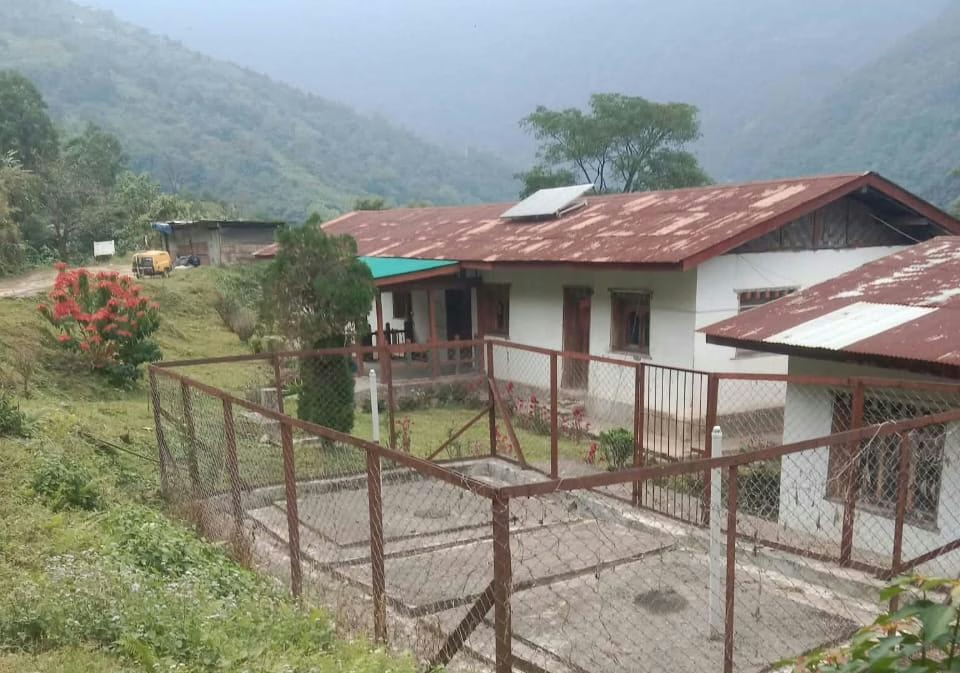
When the sole health assistant at Getana Primary Health Centre (PHC) retired, the community of approximately 1,000 residents suddenly found themselves facing an unprecedented healthcare access challenge. For over four months, this remote gewog has operated without permanent medical staff, forcing residents to undertake grueling journeys spanning six hours or more just to receive basic medical attention.
This situation represents a broader systemic issue affecting rural healthcare delivery across Bhutan—a nation committed to achieving universal health coverage while managing the complexities of serving geographically dispersed populations.
Understanding the Getana Healthcare Staffing Crisis 📍
Getana Gewog, nestled approximately 81 kilometers from Gedu, encompasses five chiwogs with a population spread across challenging terrain. The feeder road connecting Getana to the nearest functional healthcare facility is accessible primarily to four-wheel-drive vehicles like Boleros, and accessibility deteriorates significantly during monsoon seasons.
The retirement of the gewog's lone health assistant created an immediate vacuum in primary healthcare services. Unlike urban centers where multiple healthcare facilities exist within reasonable proximity, Getana residents now face a binary choice: endure the arduous journey to Gedu or forego medical treatment entirely.
The Financial Burden on Vulnerable Communities
Each trip to Gedu costs residents between Nu 800 and Nu 900 one way—a substantial expense for families in rural communities where income opportunities remain limited. For families requiring frequent medical consultations, these costs accumulate rapidly, creating a secondary barrier to healthcare access beyond geographical distance.
Consider a scenario where a child requires routine immunizations, a pregnant woman needs prenatal care, or an elderly resident manages chronic conditions. Each visit demands not only transportation costs but also lost productive time and the physical strain of traveling along poorly maintained roads.
Emergency Response Gaps and Patient Safety Concerns ⚠️
The absence of on-site healthcare workers creates particularly acute risks during medical emergencies. When acute illnesses or accidents occur, residents must wait for ambulances dispatched from distant facilities—Bongo or Gedu—introducing potentially life-threatening delays.
Getana Gup Kinley has highlighted this critical gap, noting that emergency response times could prove fatal for patients experiencing conditions like acute myocardial infarction, severe trauma, or acute respiratory distress. The gewog administration requested an ambulance allocation, but this proposal was rejected because Getana failed to meet prescribed criteria regarding population size and patient load.
This standardized approach to healthcare resource allocation, while administratively efficient, fails to account for the unique vulnerabilities of remote communities where emergency response capabilities are already severely constrained.
The School Health Dimension 🎓
The staffing shortage extends beyond general community health concerns to impact the gewog's primary school, which educates over 80 students, many of whom board at the facility. These young students depend on accessible healthcare for routine medical needs, vaccinations, and management of acute illnesses.
Without resident health workers, school authorities must navigate complex protocols for addressing student health emergencies, potentially compromising the quality of care these vulnerable populations receive.
Gender-Sensitive Healthcare Needs in Rural Settings 👩⚕️
The gewog administration has specifically requested deployment of both male and female health assistants. This request reflects an important but often overlooked dimension of healthcare access—cultural comfort and dignity considerations that influence whether individuals seek medical care.
In rural Bhutanese communities, women may experience hesitation discussing reproductive health, gynecological concerns, or sensitive health conditions with male health workers. This gender-specific healthcare barrier can result in delayed diagnosis, untreated conditions, and compromised health outcomes for women.
Gup Kinley has raised this issue repeatedly at Dzongkhag Tshogdu meetings, advocating for healthcare staffing models that respect community cultural contexts while ensuring equitable access.
Temporary Deployments: Insufficient Solutions 🔄
Following community complaints, Chukha Dzongkhag Administration deployed a health assistant from Gedu Hospital for a 15-day temporary assignment. However, this arrangement represents a band-aid solution rather than sustainable healthcare infrastructure.
The dzongkhag administration acknowledges that maintaining rotational staffing arrangements proves expensive and logistically unsustainable. Previous temporary deployment patterns involved regular 15-day rotations by health workers from other facilities, but these arrangements have become inconsistent as the dzongkhag itself faces health assistant shortages.
Without clarity on staffing arrangements beyond temporary deployments, Getana residents remain in a state of uncertainty, unable to plan healthcare access or anticipate service availability.
The Broader Bhutanese Healthcare Workforce Challenge 💼
Getana's situation reflects a national-level health workforce shortage affecting multiple facilities across Bhutan. The Ministry of Health faces recruitment challenges in attracting and retaining qualified health assistants, particularly for remote postings where living conditions, professional isolation, and limited career advancement opportunities create staffing difficulties.
According to Chukha Dzongkhag Administration officials, the gewog may face extended waiting periods—potentially until the following year—before a permanent health assistant becomes available. This timeline reflects the magnitude of national healthcare workforce constraints.
Administrative Barriers to Rural Healthcare Solutions 🏛️
The rejection of the ambulance request based on standardized criteria illustrates how centralized healthcare planning, while administratively efficient, can create inequitable outcomes for remote communities. Gup Kinley has argued persuasively that remote communities warrant special consideration for emergency services, regardless of whether they meet conventional population-based thresholds.
This represents a policy-level challenge requiring recalibration of healthcare resource allocation frameworks to account for geographical vulnerability and emergency response capabilities.
What Residents Are Experiencing Now 😟
Currently, Getana residents navigate healthcare challenges through several adaptive strategies:
- Self-medication and home remedies for minor illnesses
- Delayed care-seeking for non-emergency conditions
- Significant financial expenditure on transportation for essential care
- Reliance on informal health knowledge networks within the community
- Anxiety about emergency preparedness for serious health events
These adaptive responses, while demonstrating community resilience, do not constitute adequate healthcare provision.
Comparing Rural Healthcare Access Across South Asia 🌏
Getana's healthcare challenges reflect broader patterns affecting rural communities throughout South Asia. Studies from neighboring countries demonstrate that geographical remoteness combined with healthcare workforce shortages creates compounding health equity problems.
Bhutan's commitment to universal health coverage and equitable healthcare access makes addressing these rural healthcare gaps particularly important for national health policy credibility and population health outcomes.
Potential Pathways Forward 🛤️
Addressing Getana's healthcare access crisis requires multifaceted approaches:
Immediate interventions:
- Establish consistent temporary health worker rotations with clear scheduling
- Develop emergency response protocols accounting for extended response times
- Consider telemedicine capabilities for remote consultations
Medium-term solutions:
- Accelerate recruitment and deployment of health assistants to remote gewogs
- Implement incentive schemes attracting health workers to rural postings
- Develop career advancement pathways for rural health workers
Systemic reforms:
- Revise healthcare resource allocation criteria to account for geographical vulnerability
- Establish emergency service standards specifically for remote communities
- Integrate gender-sensitive healthcare planning into rural health facility staffing
The Broader Implications for Bhutan's Health System 🏥
Getana's situation serves as a case study in healthcare equity challenges affecting Bhutan's development agenda. As the nation advances economically and socially, ensuring that rural communities receive adequate healthcare becomes increasingly critical for sustainable development.
The healthcare access crisis in remote gewogs has implications extending beyond individual health outcomes to affect educational quality, economic productivity, and social stability in rural areas.
Community Advocacy and Systemic Change 📢
Getana residents and their gewog administration have demonstrated persistent advocacy for healthcare solutions. Rather than accepting the status quo, community leaders have engaged with higher administrative levels, raised concerns at formal forums, and articulated specific needs including gender-sensitive staffing.
This community engagement represents the foundation upon which sustainable healthcare solutions must be built. Policymakers must listen to these voices and translate community-identified needs into concrete healthcare interventions.
Looking Ahead: Hope and Uncertainty ⏳
While Chukha Dzongkhag Administration awaits Ministry of Health recruitment outcomes, Getana residents continue navigating healthcare challenges with limited resources. The temporary deployment provides temporary relief but insufficient reassurance about future healthcare access.
The resolution of Getana's healthcare staffing crisis will depend on national-level commitments to rural health workforce development, policy reforms addressing rural healthcare equity, and sustained investment in remote healthcare infrastructure.
Key Takeaways for Healthcare Policymakers 🎯
Getana's experience underscores several critical insights for Bhutanese healthcare policy:
- Geographic remoteness creates compounding healthcare barriers beyond simple distance, including financial burden, emergency response delays, and cultural healthcare access considerations
- Standardized healthcare resource allocation criteria may inadvertently disadvantage remote communities requiring special consideration
- Healthcare workforce shortages have cascading effects affecting multiple population groups including students, women, and elderly residents
- Temporary solutions lack sustainability without complementary long-term workforce development strategies
- Community-identified needs must inform healthcare planning to ensure interventions address actual population requirements
Conclusion: The Imperative for Rural Healthcare Equity 💡
Getana's four-month healthcare access crisis represents more than an administrative oversight—it reflects systemic challenges in delivering equitable healthcare across geographically dispersed populations. As Bhutan advances its development agenda, ensuring reliable healthcare access in remote communities becomes increasingly essential.
Resolving this crisis requires coordinated action across multiple administrative levels, policy reforms addressing rural healthcare equity, and sustained investment in remote health infrastructure. Until these systemic changes materialize, Getana residents will continue undertaking grueling journeys for basic medical care, representing a healthcare equity challenge that demands urgent national attention and commitment to equitable health system strengthening.
You May Also Like
Health
Depression: Beyond 'Cheer Up' – A Guide to Real Support
November 15, 2026
Health
Mixed COVID-19 Vaccines Boost Antibody Levels
November 14, 2026
Health
Inclusive Agri-Therapy Project Launches Pilot Phase in Mongar
November 11, 2026
Health
Protecting Children from Hidden Lead Exposure: A Complete Guide
November 7, 2026