Category:
TourismGeney Eco-Tourism: A Costly White Elephant
The Vision Behind Geney Eco-Tourism 🌿
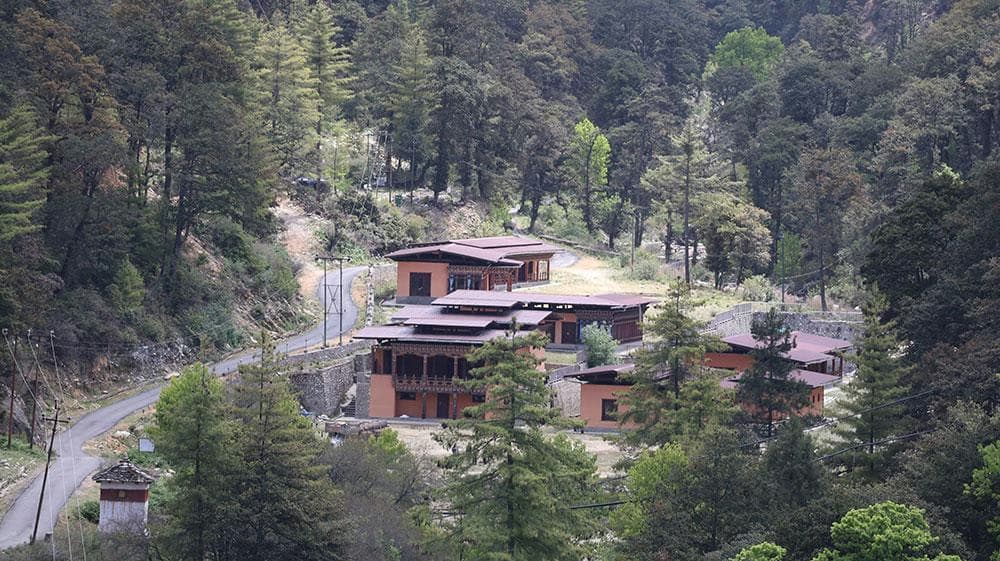
In recent years, eco-tourism has become a beacon of sustainable development, offering a way to blend tourism with environmental conservation and community empowerment. Bhutan, with its pristine landscapes and rich biodiversity, seemed an ideal candidate for such initiatives. The Geney Eco-Tourism Facility was conceived as a jewel in Bhutan's tourism crown, aimed at transforming the picturesque Geney Gewog in Thimphu into a model of community-based tourism.
The Ambitious Project 🌄
Completed in November 2021 under the Government of India’s Small Development Project initiative, the facility was designed to leverage the local matsutake mushroom, a highly prized delicacy, as its focal point. The project included six lodge rooms, a restaurant, a local products display center, and a pavilion for hosting community events. The facility was strategically located at the gateway to the Dagala trekking route, promising to attract trekkers and nature enthusiasts.
Challenges and Setbacks ⚠️
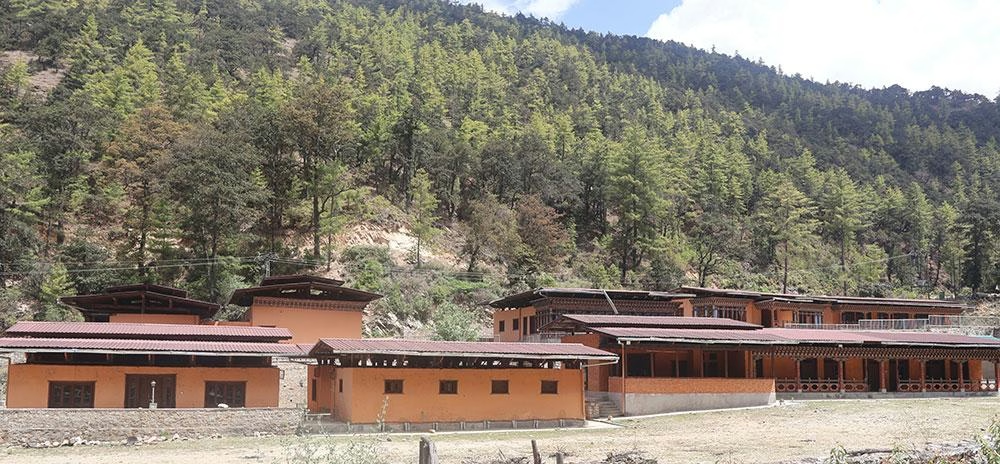
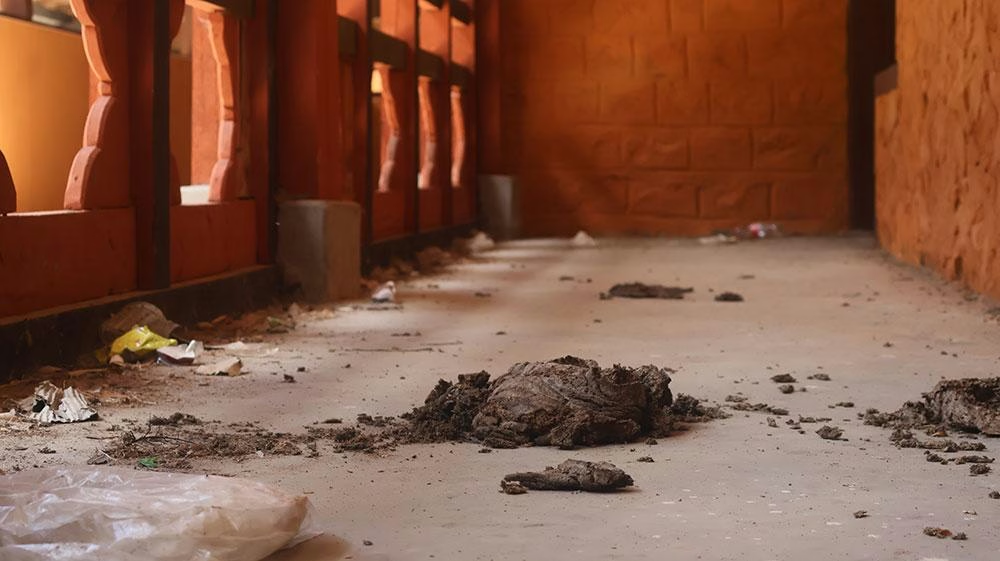
Despite its grand vision and investment of Nu 43.7 million, the facility has largely remained a costly white elephant. Key challenges include management disputes and poor planning. Initially, the Thimphu Dzongkhag Administration considered outsourcing management, but the Geney Mushroom Association opposed this, arguing for community control. This stalemate has left the facility underutilized, with its potential largely untapped.
The Economic Impact 💸
The facility's underuse is a significant blow to the local economy. The Geney community, known for its matsutake mushroom collection, relies heavily on this seasonal resource. The eco-tourism project was expected to augment local income, offering new employment opportunities and diversifying livelihoods. Instead, it has become a financial burden, with the association unable to meet operational costs and maintenance demands.
Attempts at Revitalization 🛠️
In response to persistent appeals, the government granted the Geney Mushroom Association a trial management period starting April 2025. Despite this, operational challenges persisted, including manpower shortages and financial constraints. The association's inability to fulfill rental obligations and maintain the facility prompted further requests for reassignment of management.
Broader Implications for Eco-Tourism in Bhutan 🌏
The Geney project highlights critical lessons for eco-tourism initiatives in Bhutan and beyond. Successful projects require robust planning, community engagement, and sustainable management frameworks. As Bhutan continues to promote eco-tourism, leveraging its rich cultural heritage and natural beauty, ensuring effective management and community participation will be vital.
Looking Forward: Opportunities and Recommendations 🔍
To avoid repeating past mistakes, future projects should:
- Ensure comprehensive feasibility studies and stakeholder consultations.
- Develop clear management and operational frameworks.
- Foster strong partnerships between government, communities, and private sectors.
By learning from Geney's challenges, Bhutan can strengthen its position as a leader in sustainable tourism, benefiting both its people and the environment.
Conclusion 🌟
The Geney Eco-Tourism Facility stands as a testament to the complexities of executing large-scale community projects. While its potential remains significant, realizing this vision will require renewed focus and collaborative effort. For Bhutan, the lessons from Geney could pave the way for more successful eco-tourism ventures, ensuring that such projects truly serve their intended purpose of economic upliftment and conservation.
You May Also Like
Tourism
Eastern Dzongkhags Launch Strategic Tourism Action Plans
October 19, 2026
Tourism
Six Wildlife Sites to Boost Bhutan Tourism Circuit
August 26, 2026
Tourism
Bhutan's Tourism Crisis: Hidden Commissions Threaten Craft Authenticity
August 26, 2026
Tourism
Bumthang Tourism Growth: Local Businesses Push for Better Facilities
August 15, 2026