Category:
EconomyFuel Subsidy Scheme Nears Fiscal Limit, Needs Targeting
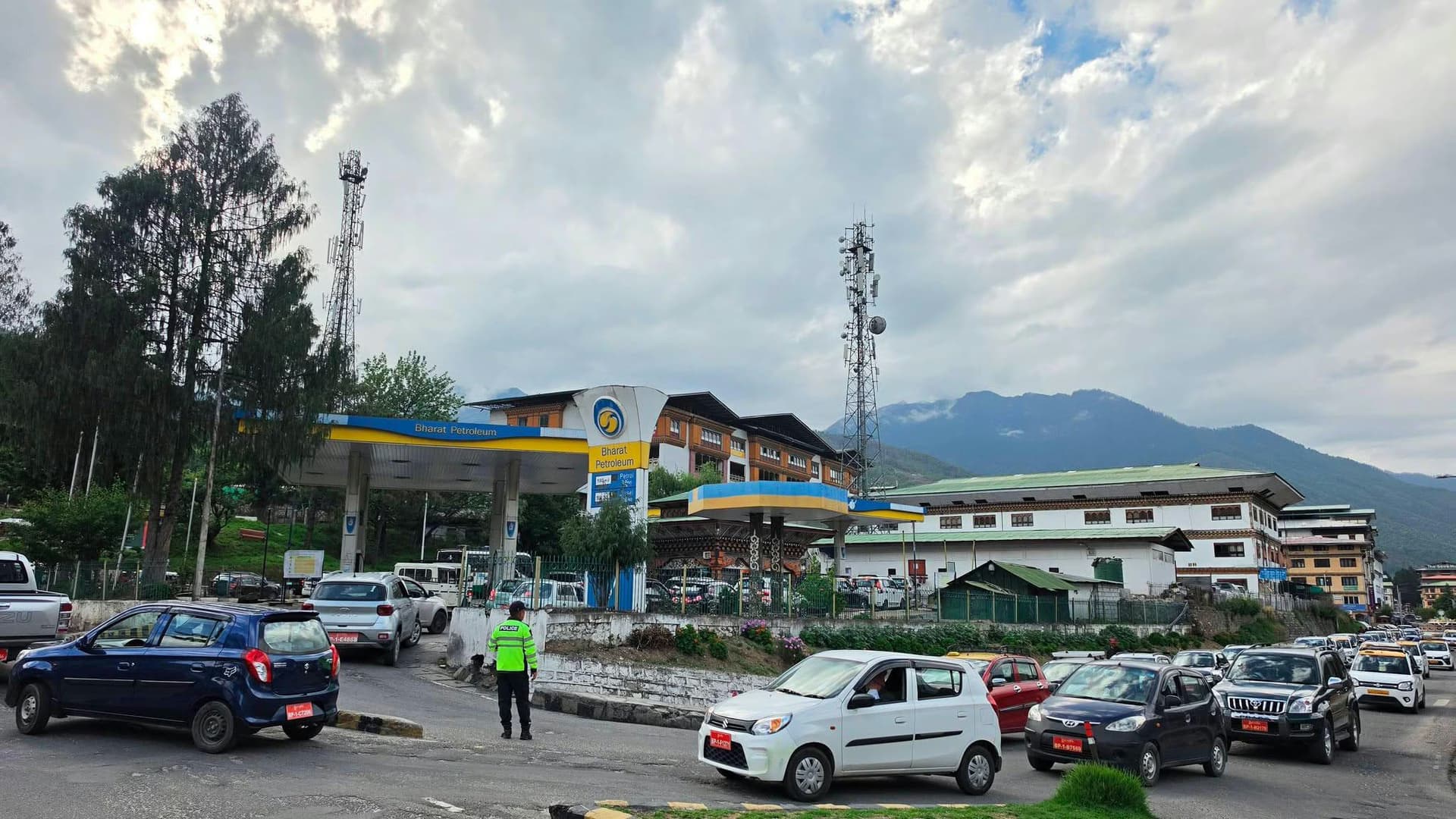
The Royal Audit Authority (RAA) of Bhutan has raised concerns about the sustainability of the country's fuel subsidy scheme. The National Fuel Price Smoothening Framework (NFPSF), initially designed to protect consumers from volatile global oil prices, is now approaching a fiscal bottleneck. With total expenditures surpassing Nu 1.6 billion, the framework is nearing its financial threshold. This has prompted calls for a reevaluation of the subsidy mechanism to ensure fiscal responsibility and economic resilience.
The Financial Strain of Broad-Based Subsidies 🌍
The NFPSF was established with an allocation of Nu 1 billion from the Economic Stimulus Plan. However, the scheme's expenditures have now escalated to Nu 1.647 billion, underscoring the urgent need for a shift in strategy. The current framework provides broad-based subsidies that benefit all consumers equally, regardless of the economic impact of their fuel consumption. This has led to inefficiencies, with diesel subsidies alone accounting for a staggering Nu 1.39 billion, in contrast to petrol subsidies which were capped at Nu 62.18 million.
Risks and Recommendations 📈
The RAA has highlighted the risks of maintaining broad-based subsidies, which include long-term fiscal and macroeconomic instability. The authority recommends a transition towards targeted assistance for sectors that are vital to the national economy, such as agriculture, public transport, and healthcare. This shift would ensure that public resources are allocated more effectively, reducing the fiscal burden and enhancing economic productivity.
Proposed Measures for Sustainable Support 🚀
- Conduct a Fiscal Impact Assessment: The Ministry of Finance is urged to assess whether the current support costs are sustainable and identify any financing gaps.
- Implement Targeted Assistance: Transition support to essential sectors while phasing out subsidies for non-essential and high-consumption users.
- Strengthen Monitoring Systems: Link fuel consumption data to user categories and dealer sales to improve oversight.
- Expand Public Transport Options: Encourage shared mobility to reduce private vehicle dependence.
- Develop a Recoupment and Exit Plan: Establish mechanisms to recover subsidy expenditures as global fuel prices stabilize.
Broader Economic Context 📊
This advisory comes at a pivotal time for Bhutan, as the nation navigates economic recovery post-pandemic. The fuel subsidy scheme is crucial, but it must be balanced with the need for fiscal prudence. Bhutan's economy, heavily reliant on imports and sensitive to global price fluctuations, requires robust strategies to safeguard its financial health.
Global Trends and Local Implications 🌐
Globally, many nations are grappling with similar challenges. As oil prices fluctuate due to geopolitical tensions and environmental policies, countries are rethinking their subsidy frameworks. Bhutan's move towards targeted support aligns with international best practices and reflects a growing recognition of the need for sustainable economic policies.
In conclusion, the RAA's recommendations highlight the importance of targeted support in maintaining economic stability. By focusing on essential sectors and improving resource allocation, Bhutan can better protect its economy from external shocks while ensuring fiscal sustainability. As the country looks towards the future, strategic policy adjustments will be pivotal in fostering long-term resilience and prosperity.
You May Also Like

Economy
BCCI Elects New Leadership Team to Drive Business Growth
October 15, 2026

Economy
Indian Banks Slow to Adopt Bhutanese UPI Payments
October 12, 2026
Economy
Government Addresses 400+ Business Issues to Boost Economy
October 10, 2026
Economy
Bhutan's Bold Vision: Two USD 50M Enterprises by 2030
September 27, 2026