Category:
EconomyFuel Subsidy Impact: A Looming Nu 4bn Cost by June

The government of Bhutan is faced with a significant financial challenge as it navigates the complexities of fuel subsidies. With the potential to reach nearly Nu 4bn by June, understanding the implications and strategies in place is essential for stakeholders across the economy.
A Surge in Global Fuel Prices 🌍📈
Recent weeks have seen an unprecedented surge in global fuel prices, influenced by external factors such as geopolitical tensions and supply chain disruptions. This has resulted in increased costs for fuel in Bhutan, with petrol prices in Thimphu reaching Nu 114.31 per litre and diesel at Nu 174.13 per litre.
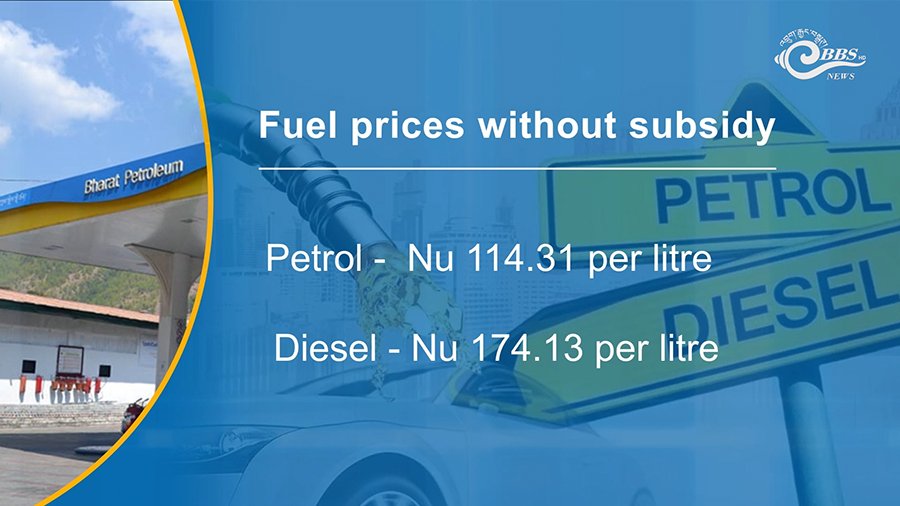
However, the Bhutanese government has intervened with a subsidy, reducing petrol and diesel prices to Nu 98 and Nu 98.31 per litre, respectively. This subsidy aims to shield consumers from the full brunt of global price hikes.
The Economic Strain of Subsidies 💸
While the subsidy provides immediate relief, it poses a significant financial burden on the government. At a cost of Nu 1.4bn per month, maintaining this subsidy through June could lead to an expenditure of nearly Nu 4bn. This expenditure highlights the delicate balance between consumer relief and fiscal sustainability.
Government Measures to Curb Consumption 📉
In response to this economic strain, the government has directed public service agencies to implement fuel-saving measures. These include:
- Promoting walking and cycling for short commutes
- Minimizing non-essential travel
- Encouraging remote working arrangements
The private sector and general public are also urged to adopt similar practices. Responsible fuel consumption is deemed crucial for alleviating pressure on national resources.
The National Fuel Price Smoothening Framework ⚖️
To manage the volatility of fuel prices, the government introduced the National Fuel Price Smoothening Framework. This initiative involves a fortnightly review of subsidies aligned with global fuel price movements. Additionally, Bhutan maintains reserves for emergencies, currently holding 15,000 units of LPG, 1.4 million litres of petrol, and nearly 1.5 million litres of diesel.
The Broader Economic Impact 📊
Fuel subsidies are not just a fiscal concern; they have broader economic implications. Rising fuel costs can lead to increased transportation costs, affecting the price of goods and services. This can result in inflationary pressures, impacting household budgets and overall economic stability.
Looking Ahead: Sustainable Solutions 🌱
To mitigate the long-term impact of fuel price volatility, Bhutan is exploring sustainable energy solutions. Investments in renewable energy sources, such as hydropower and solar energy, are critical for reducing dependency on imported fuels.
Key Takeaways 🔑
- Immediate Relief, Long-term Costs: While subsidies provide short-term relief, they pose significant financial challenges.
- Collective Responsibility: Reducing fuel consumption requires efforts from both public and private sectors.
- Sustainable Alternatives: Investing in renewable energy is vital for future economic resilience.
As Bhutan navigates these challenges, a focus on sustainable practices and responsible consumption will be essential in ensuring economic stability and environmental sustainability.
You May Also Like
Economy
Bhutan's Bold Vision: Two USD 50M Enterprises by 2030
September 27, 2026
Economy
Mega Dry Port in Pasakha: Bhutan's Trade Revolution
September 25, 2026

Economy
Fixed Deposit Tax Withholding: What You Need to Know
September 13, 2026
Economy
DRC's QR Payment Innovation: Tracking Business Income
September 2, 2026