Category:
HealthFrom Addiction to Recovery: PEMA Rehab's Impact on 1000 Lives
A Second Chance at Life 🌟
When a 29-year-old man walked through the doors of PEMA Rehab in mid-2025, he carried more than just physical baggage. Anger, confusion, and deeply ingrained habits threatened to derail his entire future. Today, he works as a barista in Thimphu, earning a steady income and maintaining substance-free living for nearly a year. His transformation represents one of hundreds of remarkable recovery journeys emerging from Bhutan's national substance use disorder treatment centre.
"That moment of realisation was painful, but it became the turning point of my life," he reflects. "It was the first time I truly felt that change was still possible."
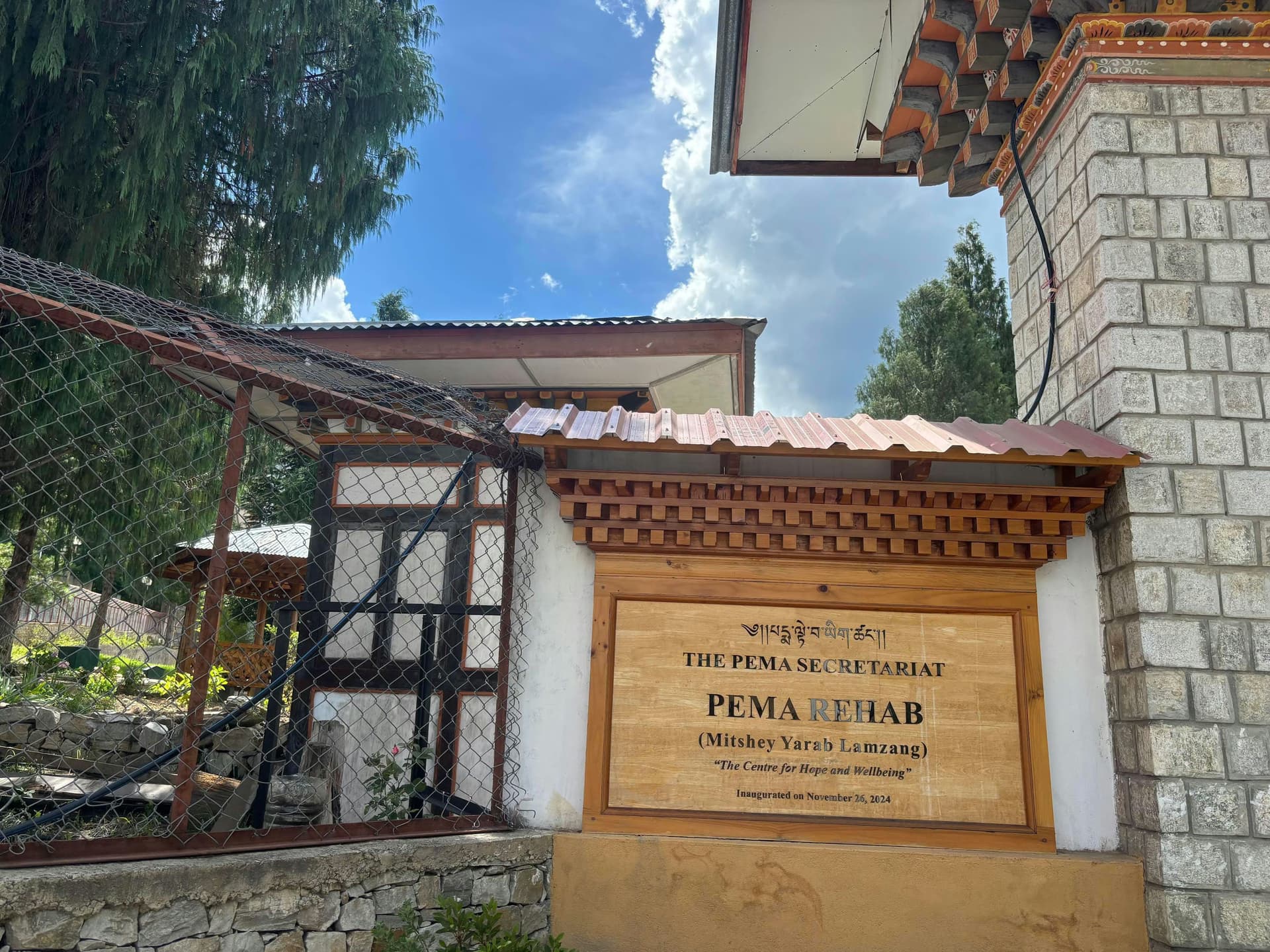
This personal narrative encapsulates the profound mission of PEMA Rehab (Miytshey Yarab Lamzang), an institution that has quietly revolutionized addiction treatment in Bhutan since its establishment following His Majesty The King's vision during the 115th National Day celebrations in 2022.
Understanding Bhutan's Addiction Crisis 💔
Substance use disorders represent a growing public health challenge in Bhutan, affecting thousands of citizens across all demographics. While national prevalence studies from 2009 and 2017 estimated approximately 4,000 people living with substance use disorders, updated data suggests the situation demands continued attention and resources.
The challenge extends beyond simple drug use—many individuals struggling with addiction simultaneously battle co-occurring mental health conditions. Trauma, adverse childhood experiences, depression, anxiety, and personality disorders frequently accompany substance use disorders, creating complex clinical presentations that require comprehensive, individualized treatment approaches.
Young adults aged 18 to 35 represent the demographic most significantly affected by addiction in the country. This age group, often navigating critical life transitions, faces particular vulnerability to substance abuse patterns that can derail education, employment, and social integration.
PEMA Rehab: Bhutan's Premier Treatment Centre 🏥
Located strategically below the Youth Development Fund in Thimphu, PEMA Rehab operates as a comprehensive 200-bed residential and outpatient treatment facility. Despite its prominence, many community members pass by without fully understanding the transformative work happening within its walls.
The facility combines clinical excellence with holistic recovery support. Clients access modern counselling rooms, educational classrooms, recreational facilities, and vocational training spaces designed to rebuild confidence and employability. The environment itself communicates a message: recovery is possible, and dignity is non-negotiable.
Comprehensive Residential Services
Residential clients experience a structured environment supporting their healing journey. Accommodations feature four-person rooms with quality bedding, while nutritious meals—including non-vegetarian options four times weekly—support physical wellness alongside mental recovery.
Beyond basic necessities, the facility offers:
- Vocational training programs in music, arts, handicrafts, embroidery, and cultural activities
- Skills development through partnerships like the DeSuung Skilling Programme
- Therapeutic counselling addressing individual trauma and psychological needs
- Family therapy sessions rebuilding crucial support systems
- Mental health care treating co-occurring psychiatric conditions
The Numbers Tell a Powerful Story 📊
Since establishment, PEMA Rehab has served nearly 1,000 individuals seeking recovery:
- 506 clients completed residential treatment programmes
- 455 clients accessed outpatient services
- 961 total individuals benefited from comprehensive treatment
Residential admissions demonstrate steady growth, reflecting increasing awareness and accessibility:
- 2023: 30 clients
- 2024: 206 clients
- 2025: 166 clients
- 2026 (to date): 104 clients
These figures represent not just statistics, but individual lives redirected toward healing and purpose.
Breaking Down Barriers to Treatment 🔓
Accessing addiction treatment in Bhutan occurs through multiple pathways. The Royal Bhutan Police, operating under the Narcotic Drugs, Psychotropic Substances and Substance Abuse Act, represents the primary referral source for clients. However, a growing segment voluntarily seeks treatment through encouragement from family members, educational institutions, employers, or personal motivation.
This voluntary participation rate carries significant importance. When individuals choose recovery rather than face it through legal obligation, their engagement levels and treatment outcomes often improve substantially.
Gender Dynamics in Recovery 👥
Male clients currently comprise the majority of admissions, reflecting broader patterns in substance use epidemiology. However, Dr Chencho Dorji, Chief Consultant Psychiatrist at PEMA Rehab, reports encouraging developments: female awareness of treatment services is gradually increasing, and more women are voluntarily seeking help.
This shift represents progress in destigmatizing addiction treatment among women and recognizing that recovery transcends gender boundaries.
Treatment Outcomes: Evidence of Success 🎯
The true measure of any rehabilitation programme lies in sustained recovery outcomes. PEMA Rehab's follow-up study of clients discharged between July 2025 and June 2026 reveals compelling results:
Of 254 discharged clients, 194 (76 percent) remained substance-free.
This overall recovery rate breaks down further:
- Residential programme: 78 percent sustained recovery rate
- Outpatient programme: 71 percent sustained recovery rate
Additionally, treatment completion rates demonstrate client engagement:
- Over 95 percent of residential clients complete prescribed programmes
- Approximately 75 percent of outpatient clients complete treatment
These figures substantially exceed national and international benchmarks for addiction treatment programmes, suggesting PEMA Rehab's model effectively addresses client needs.
The Outpatient Programme Expansion 📈
In July 2025, PEMA Rehab assumed responsibility for the outpatient substance use disorder programme, previously managed through the Psychiatry Department at Jigme Dorji Wangchuck National Referral Hospital. This transition centralized services and expanded accessibility.
The programme's rapid growth demonstrates community need:
- July to December 2025: 262 clients treated
- January to present 2026: 193 clients treated
Outpatient services provide crucial flexibility for individuals unable to commit to residential programmes due to employment, family obligations, or personal circumstances.
Addressing Relapse and Ongoing Support 💪
Recovery rarely follows a perfectly linear path. PEMA Rehab acknowledges this reality through comprehensive relapse prevention strategies. Clients showing early warning signs receive encouragement to return for counselling or temporary residential readmission, preventing full relapse and stabilizing recovery.
One challenge Dr Chencho Dorji identifies involves clients shifting from illicit substances to alcohol. Despite alcohol's legal status, excessive consumption represents a significant relapse risk requiring ongoing monitoring and intervention.
Comprehensive Aftercare Services
The PEMA Secretariat and PEMA Rehab provide extensive post-treatment support:
- Ongoing psychosocial counselling addressing emerging challenges
- Vocational guidance supporting employment pathways
- DeSuung and skilling programme referrals building practical capabilities
- Entrepreneurship training fostering economic independence
- Employer connections facilitating job placement
Individualized Treatment Planning 🎨
Recognizing that addiction rarely exists in isolation, PEMA Rehab employs trauma-informed, individualized treatment approaches. A considerable proportion of clients have experienced domestic violence, childhood neglect, family conflict, or other traumatic experiences requiring specialized intervention.
Treatment duration reflects individual circumstances:
- First-time offenders: 3-month primary treatment programme
- Repeat offenders: 3 months primary treatment plus 3 months continuing care and structured follow-up
This flexible approach acknowledges that recovery complexity varies significantly among individuals.
Building a National Treatment Infrastructure 🏗️
While PEMA Rehab serves as the flagship facility, Bhutan's treatment capacity extends throughout the country. Substance use disorder treatment units in more than 15 hospitals collectively manage over 1,000 clients, creating a distributed network ensuring geographic accessibility.
PEMA Rehab's current capacity accommodates approximately 200 residential clients and 150 outpatient clients simultaneously, positioning it as the nation's premier specialized treatment centre.
The Path Forward: Formal Outcome Evaluation 🔬
Recognizing the importance of rigorous evidence, PEMA Rehab is planning formal outcome evaluation using standardized follow-up methods. This commitment to research-driven practice will provide deeper insights into long-term recovery trajectories and treatment effectiveness.
Updated national prevalence studies are also needed to accurately assess current substance use disorder epidemiology and inform resource allocation decisions.
A Model of Reintegration 🌱
Beyond clinical treatment, PEMA Rehab emphasizes successful reintegration into society. The barista working in Thimphu exemplifies this philosophy—he received not just addiction treatment, but vocational training, confidence rebuilding, and employer connections facilitating meaningful employment.
"Today, I carry a gratitude that is difficult to put into words," he reflects. "I have slowly rebuilt not just my life but also my sense of self-worth."
This sentiment captures PEMA Rehab's true mission: restoring not merely sobriety, but dignity, purpose, and social belonging.
Key Takeaways: Hope Through Comprehensive Care 🌟
The journey from addiction to recovery represents one of humanity's most challenging transformations. PEMA Rehab's success with nearly 1,000 individuals demonstrates that comprehensive, compassionate, individualized treatment works.
The centre's achievements reflect:
- Clinical excellence combining psychiatric expertise with holistic care
- Community responsiveness offering both residential and outpatient services
- Vocational integration connecting recovery with economic opportunity
- Ongoing support preventing relapse through sustained engagement
- Dignity-centered approach recognizing each person's inherent worth
As Bhutan continues addressing substance use disorders, PEMA Rehab stands as a beacon of hope—proving that recovery is not merely possible, but achievable through dedicated professional support, individual determination, and community commitment to second chances.
You May Also Like
Health
Mental Health: A Shared National Responsibility
August 29, 2026
Health
Mongar Mother and Child Hospital Handover: Ending Years of Healthcare Delays
August 26, 2026
Health
Behind Every Statistic: Understanding Human Impact in Health
August 26, 2026
Health
Breaking the Cycle: Understanding Relapse in Recovery
August 22, 2026