Category:
PoliticsFocus on Action: PM's Call for Implementation
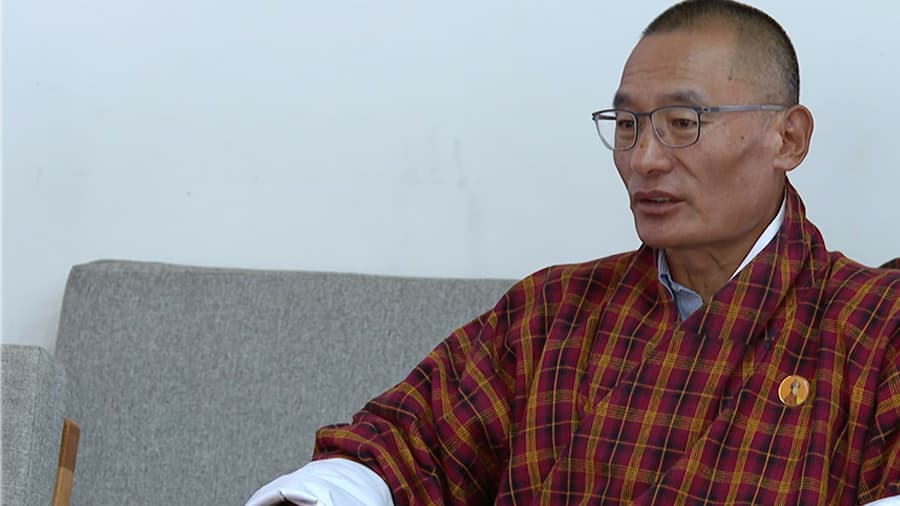
In a dynamic political landscape, the nuanced balance between regulation and implementation often becomes a focal point of discussion. Recently, Bhutan's Prime Minister Tshering Tobgay highlighted this very issue, urging the Ministry of Industry, Commerce, and Employment to prioritize the effective implementation of existing regulations over the creation of new ones. 💼
Streamlining Regulations: A Strategic Shift
During a midterm review, the Prime Minister emphasized that Bhutan currently operates under an extensive array of 955 rules and regulations. While these frameworks are designed to support business operations, their sheer volume can become a bottleneck, hindering rather than facilitating growth. The PM's remarks reflect a broader trend in global governance where simplification and clarity are being prioritized to enhance the ease of doing business. 🔍
The Burden of Over-Regulation
Excessive regulations can stifle innovation, slow down decision-making processes, and increase operational costs. In Bhutan, the Consumer Protection Act of 2012 serves as a poignant example. Despite being established over a decade ago, the law's requirement for businesses to issue receipts is still not universally enforced. This gap in enforcement underscores the necessity for improved implementation mechanisms. 📜
A Call for Efficiency
Prime Minister Tobgay's remarks are not merely about reducing the number of regulations but about ensuring that the regulations in place are both necessary and efficiently implemented. His statement, "One country, one government, one people," encapsulates the need for a unified approach in policy execution. This call for efficiency aligns with global best practices, where countries are increasingly adopting regulatory impact assessments to ensure laws achieve their intended outcomes without unnecessary burdens. 🌍
The Role of the Private Sector
The Bhutan Chamber of Commerce and Industry is currently reviewing the plethora of existing policies, rules, laws, and guidelines. This collaboration between government and private sector underscores a critical shift towards inclusive governance. The final report from this review is anticipated to provide actionable insights, potentially leading to streamlined processes that enhance business agility. 🤝
Historical Context and Future Prospects
Historically, Bhutan has maintained a delicate balance between tradition and modernization. The current focus on regulatory implementation reflects a broader trend towards modernizing governance structures while respecting cultural heritage. As Bhutan continues to evolve, the emphasis on practical implementation over rule proliferation could serve as a model for other nations facing similar challenges. 📈
Global Perspectives on Regulatory Governance
Globally, countries such as Singapore and New Zealand are often cited for their effective regulatory environments. They have demonstrated that fewer, well-enforced regulations can lead to more dynamic and competitive economies. Bhutan's current initiative to review and refine its regulatory landscape positions it to potentially join these ranks, fostering an environment conducive to innovation and growth. 🌟
Conclusion: A Path Forward
The Prime Minister's call to action is a step towards a more efficient and effective governance framework. By focusing on implementation, Bhutan is poised to improve its business climate, attract foreign investment, and foster sustainable economic growth. As the country awaits the outcomes of the regulatory review, the anticipation is that this strategic shift will pave the way for a more streamlined and vibrant economic future. 🚀
In summary, Prime Minister Tshering Tobgay's emphasis on implementation over new regulations highlights a critical shift in governance strategy. By prioritizing efficiency and effectiveness, Bhutan aims to create a business-friendly environment that supports innovation and growth.
You May Also Like
Politics
Bhutan and EU Parliamentarians Unite on Climate Action
September 26, 2026
Politics
Bhutan Launches Four Voter Participation Initiatives for LG Elections
September 16, 2026
Politics
Women in Politics: Breaking Through Barriers Before Election Day
September 15, 2026

Politics
Women Leaders Training: Preparing for 2027 Local Elections
August 31, 2026