Category:
NewsFinance Minister Rejects Instalment-Based Tax Plan
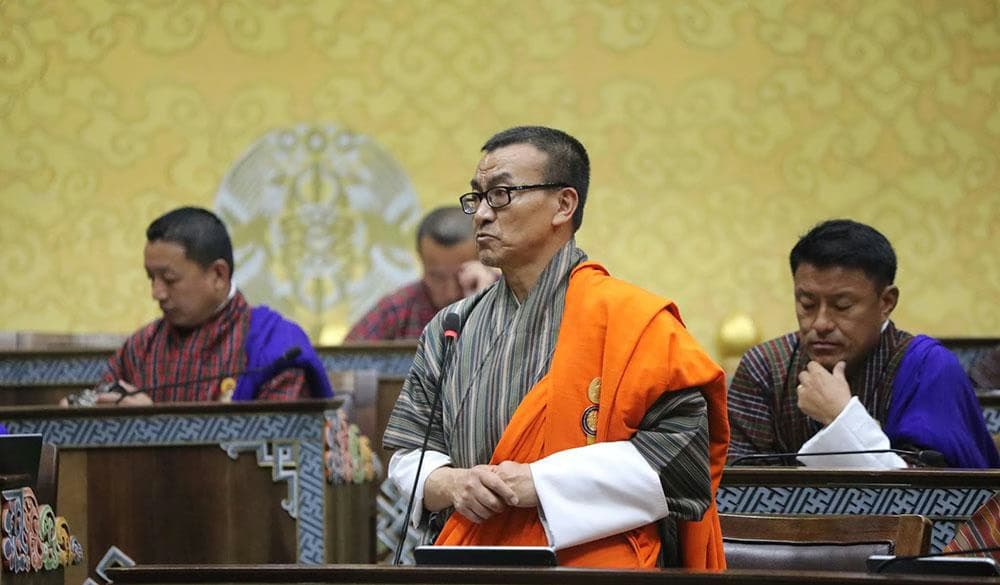
The recent decision by Bhutan's Ministry of Finance to reject a proposal for a flexible, instalment-based property tax system has sparked considerable debate. The plan, which aimed to allow property taxpayers to pay their dues throughout the fiscal year, was dismissed by Finance Minister Lekey Dorji during a National Assembly session, highlighting the complexities of tax administration and revenue collection. 🎯
Current System and Proposed Changes
During the session, South Thimphu MP Tshewang Rinzin advocated for a more lenient payment system, citing the financial struggles faced by low-income households and those inheriting properties. With around 130,000 of Bhutan’s 190,000 property taxpayers having missed their payments as of March 2024, and a notable Nu 125.04 million decline in tax collections between 2023-24 and 2024-25, the MP argued for increased flexibility to boost compliance and ease taxpayer burdens. However, Minister Dorji responded with a firm no, emphasizing the potential administrative chaos such a change could introduce. 📉
The Legal Framework
The debate centers around Sections 28 and 29 of the Property Tax Act of Bhutan 2022. Section 29 allows for instalment payments under specific conditions, but Minister Dorji insists that this should be interpreted alongside Section 28, which mandates tax payments by December 31 each year. The minister stressed that while the law offers some flexibility, it is designed to maintain an annual assessment cycle. Such a cycle ensures the government's revenue stream remains steady and predictable, a crucial component of effective fiscal planning. 📅
Administrative Challenges
Minister Dorji outlined several challenges that an instalment-based system could impose. Allowing payments throughout the year would complicate tax assessments and disrupt the revenue reconciliation process. This would also require reallocating resources towards managing these complexities, potentially affecting essential services such as taxpayer assistance and compliance monitoring. The current system, though not perfect, is aligned with the government's administrative capabilities and fiscal policies. 💼
Financial Hardships and Relief Measures
Despite rejecting the proposal for a standard instalment system, the finance minister acknowledged the financial hardships faced by some taxpayers. The current legal framework does provide relief for those in genuine financial distress, allowing for case-by-case instalment arrangements. This discretionary measure ensures that those truly in need can receive assistance without overhauling the entire tax system. Minister Dorji noted that tax compliance rates have improved significantly, from 85% in June 2024 to 98% by December 2024, attributing this to better taxpayer understanding and procedural clarity rather than payment flexibility. 📈
Broader Implications and Future Outlook
The decision not only affects immediate tax policy but also reflects larger trends in Bhutan's economic governance. With Thimphu contributing approximately 41% of national property tax revenue, maintaining an efficient and effective tax collection system is paramount. The minister's refusal to shift to an instalment-based system underscores a commitment to fiscal discipline and administrative efficiency, even as the government navigates a landscape of evolving economic challenges and taxpayer needs. 🌍
Conclusion: Balancing Needs and Efficiency
Ultimately, the finance minister's decision reflects a careful balancing act between taxpayer convenience and administrative efficiency. While the proposal for an instalment-based system was rejected, the government continues to offer targeted relief measures for those in need. As Bhutan's economic landscape continues to evolve, so too will the strategies employed to manage its fiscal responsibilities. For now, the emphasis remains on maintaining an orderly, predictable revenue system that supports the nation's broader economic goals. 🔍
You May Also Like
News
Gelephu Prepares for 40,300 Vehicles Ahead of Project 108
October 21, 2026
News
Third Child Plus Programme Disburses Nu 186M to 6,510 Children
October 21, 2026
News
German-Bhutan Society Backs Gelephu Mindfulness City
October 21, 2026

News
Himalayan Yak Network Launches at Royal Highland Festival
October 21, 2026