Category:
NewsDoT Budget Utilization High, Yet Projects Lag
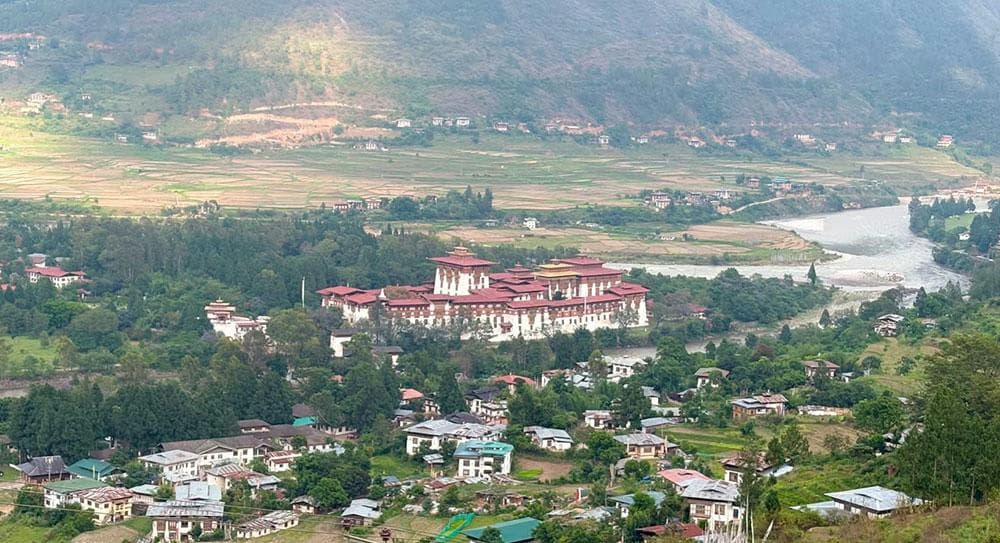
In recent years, the Bhutanese tourism sector has seen a significant allocation of resources, reflecting its importance to the country's economy. However, despite the Department of Tourism (DoT) utilizing over 85% of its budget, key infrastructure projects remain delayed, raising questions about the efficiency of these investments. 🌐
Budget Utilization: A Closer Look 📊
The DoT's budget utilization has been notably high, with the Department of Media, Creative Industry and Intellectual Property (DoMCIIP) achieving an impressive 90% utilization rate. This was highlighted by Lyonpo Namgyal Dorji, the Minister for Industry, Commerce, and Employment, during a recent National Assembly session. However, despite these figures, the completion of crucial infrastructure projects has not kept pace.
This disparity is largely attributed to the complex nature of large capital projects. These projects often require extensive preparation, including detailed project reports, land clearances, and phased construction work, which naturally extend their timelines. 🚧
Key Projects and Their Status 🏗
Under the 13th Five-Year Plan (FYP), Bhutan has allocated Nu 1,271.42 million for tourism, supplemented by Nu 932.7 million from the Economic Stimulus Programme (ESP). Yet, projects such as the Thimphu Kaja-Throm expansion and the development of recreational areas in dzongkhags are still in nascent stages. As of now, only Nu 224.57 million of the ESP funds have been utilized.
Spotlight on Delayed Projects 🔍
- Thimphu Kaja-Throm Expansion: With an allocation of Nu 456.12 million, this project has only recently begun active implementation.
- Twin Waterfall Recreational Stopover Area: In Zhemgang, Nu 12.2 million is earmarked.
- Duenmang Tsachu Expansion: Allocated Nu 52.6 million.
- Nganglam Recreational Park and Cycling Trail: Set to receive Nu 31.8 million.
- Samdrup Jongkhar–Trashigang Highway Developments: Birding and trekking infrastructure are being developed with an allocation of Nu 37 million.
These projects, while critical to enhancing Bhutan's tourism infrastructure, currently exhibit less than 10% financial progress. 🏞
Reasons Behind the Lag 🚦
The delays are not due to systemic failures but rather the phased nature of project implementation. Major infrastructure developments require careful planning and coordination among various stakeholders, including local governments and the Department of Human Settlement.
Additionally, resource constraints could become a challenge as the tourism sector recovers and demand rises. The government remains optimistic that all ESP projects will be completed by June 2027, with full utilization of allocated funds. 📅
Future Initiatives and Relief Measures 💡
The government's proactive approach includes several initiatives to bolster the tourism sector. The upcoming Tourism Minimum Facility Initiative (TMFI) aims to improve basic tourist facilities across the country, enhancing the overall visitor experience. This includes developing clean public amenities, waste management systems, and better signage.
Moreover, the hotel loan interest subsidy of Nu 845 million under the ESP is a significant relief measure, providing financial respite to hotel operators. These efforts are complemented by strategies to diversify tourism products, enhance service standards, and boost international marketing. 🌍
The Road Ahead for Bhutanese Tourism 🛤
While the current status of project implementation may appear concerning, the structured approach and strategic investments indicate long-term benefits. As Bhutan continues to position itself as a unique destination, these infrastructure projects will play a crucial role in supporting sustainable tourism growth. ✅
In conclusion, while challenges remain, the combined efforts of the government and private sector stakeholders are paving the way for a robust and resilient tourism sector. As these projects come to fruition, they promise to enhance Bhutan's appeal as a premier travel destination. 🌟
You May Also Like
News
Gelephu Prepares for 40,300 Vehicles Ahead of Project 108
October 21, 2026
News
Third Child Plus Programme Disburses Nu 186M to 6,510 Children
October 21, 2026
News
German-Bhutan Society Backs Gelephu Mindfulness City
October 21, 2026
News
Himalayan Yak Network Launches at Royal Highland Festival
October 21, 2026